









Qatar is stepping deeper into the diplomatic effort to end the U.S.-Iran standoff, pushing for the reopening of the Strait of Hormuz and a return to the memorandum of understanding that was supposed to keep negotiations between Washington and Tehran alive.
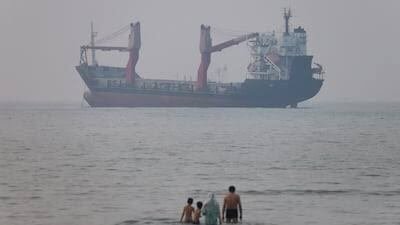
The timing is important. The 60-day period created by the June U.S.-Iran memorandum expired without a broader agreement, while the Strait of Hormuz remains at the centre of the dispute. The waterway is crucial to global energy markets because it normally carries a huge share of the world’s oil and liquefied natural gas shipments.
Qatar’s involvement shows that the crisis is no longer simply a confrontation between Washington and Tehran. Gulf countries now have a direct economic and security interest in getting the situation under control.
Why Qatar Wants the Strait of Hormuz Reopened
For Qatar, the issue is particularly serious because the country’s economy depends heavily on energy exports. Any prolonged disruption around the Strait of Hormuz can increase shipping costs, disrupt energy markets and create uncertainty for Gulf economies.
Qatar has already supported the original memorandum. Its foreign ministry welcomed the June agreement, saying it included an effort to ensure freedom of navigation through the Strait of Hormuz and called for negotiations rather than further military confrontation.
The country is now trying to keep that diplomatic door open. Qatari officials have previously worked alongside Oman and Pakistan to pass proposals between Washington and Tehran, with Doha describing the discussions as making progress.
Qatar May Be Trying to Prevent a Bigger Gulf Crisis
The biggest concern for Qatar and its neighbours is that the Strait of Hormuz could become a permanent bargaining weapon.
Iran has said the waterway will remain closed until Washington meets conditions including lifting its blockade, removing oil sanctions and releasing frozen Iranian assets. The U.S., meanwhile, has demanded the reopening of the waterway as part of its broader pressure campaign.
That creates a dangerous cycle. The longer the strait stays restricted, the greater the pressure on oil markets. The higher energy prices rise, the more pressure governments around the world face to find a diplomatic solution.
Brent crude was already around $94.60 a barrel on August 20, with Gulf markets reacting to continued uncertainty over the negotiations.
The Next Move May Come Through Oman
Qatar’s diplomacy is also closely connected to Oman’s role. Technical discussions between Iran and Oman have focused on possible arrangements for allowing commercial ships to move through the strait. Qatar has indicated that an Iran-Oman understanding could help create the conditions for wider U.S.-Iran negotiations.
But the diplomatic environment remains extremely fragile. The United States and Iran have publicly disagreed over whether negotiations are even taking place, talk less of Iran’s nuclear programme, while Tehran continues to insist that reopening the strait depends on changes from Washington.
Qatar’s push therefore matters because it offers another route back to diplomacy at a time when the main U.S.-Iran channel appears badly damaged.
If Doha and Muscat can help produce an arrangement that gets ships moving again, it could create the first practical step towards rebuilding the failed memorandum.
If they cannot, the Strait of Hormuz could remain the pressure point that keeps the entire Middle East crisis alive.

3 thoughts on “Qatar Pushes to Reopen Strait of Hormuz as Gulf Diplomacy Tries to Rescue the U.S.-Iran Deal”