








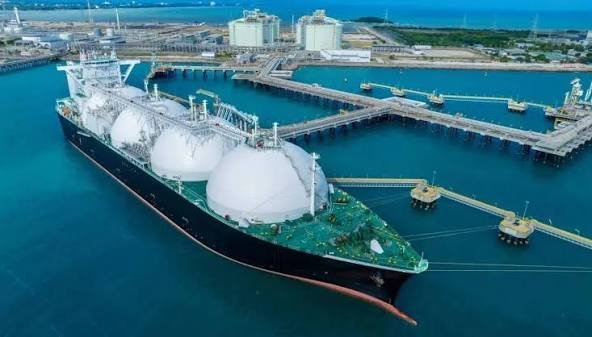
Qatar’s position as one of the world’s biggest LNG exporters has been badly hit by the ongoing US-Iran war, with the country’s shipments falling by 96% as damage to the Ras Laffan energy complex and the closure of the Strait of Hormuz disrupt supplies.
Only 18 Qatari LNG cargoes have left the country in the past six months, compared with 509 during the same period last year, according to Reuters. The disruption has already cost Qatar an estimated $24 billion and is now spreading into government spending and international aid.
Why Qatar Has Been Hit So Hard
The Qatar LNG crisis is unusual because the country is not one of the main combatants in the war. Its vulnerability comes from how heavily its economy depends on exporting natural gas through the Gulf.
Before the conflict, Qatar supplied almost 20% of global LNG demand. But attacks on the Ras Laffan industrial complex damaged key infrastructure, while the closure of the Strait of Hormuz made it difficult for LNG tankers to reach international markets.
Unlike some neighbouring oil producers that have found alternative ways to keep exports moving, Qatar has struggled to move its gas. The result is that a country that built much of its wealth around energy exports is now dealing with a major interruption to its main source of income.
Qatar Cuts Spending as Gas Revenue Falls
The impact is now reaching the wider Qatar economy in 2026. Government departments have reportedly been ordered to reduce spending by as much as 30%, while overseas aid has been cut by about 85%. Qatar’s economy is also projected to contract by 8.6% this year, which would make it the sharpest contraction among the Gulf Cooperation Council economies.
Qatar has substantial financial reserves, including the Qatar Investment Authority, so the country is not facing an immediate financial collapse. However, the spending cuts show that even wealthy energy exporters have limits when their main export route is disrupted for an extended period. The bigger concern is what happens if the war continues into 2027.
Europe Could Pay the Price This Winter
The Qatar LNG crisis is also creating problems far beyond the Gulf. The United States has increased LNG exports to help fill part of the supply gap, but Europe’s gas storage levels remain unusually low heading into winter. Reuters reported that European gas stocks were around 62% full as of August 20, compared with 74% at the same point last year.
That leaves European buyers competing for limited LNG cargoes with Asian markets. The result is already visible in prices. European LNG prices have climbed to their highest level since early 2023, while traders are becoming increasingly concerned about whether enough gas can be stored before winter.
For households and businesses, the biggest risk is not simply that Qatar is losing billions. If the disruption continues, Europe gas prices could rise further, increasing electricity, heating and industrial costs.
The Bigger Lesson for Global Energy
The crisis has exposed the risk of relying heavily on a small number of major energy producers and shipping routes. Qatar may eventually restore its LNG exports, but the conflict has shown how quickly a geopolitical crisis around the Strait of Hormuz can affect energy markets thousands of kilometres away.
For Qatar, the immediate priority is restoring its LNG industry. For Europe, the race is to secure alternative supplies before winter demand rises. And for global energy markets, the question is becoming increasingly important: how long can the world absorb the loss of one of its biggest LNG suppliers?