







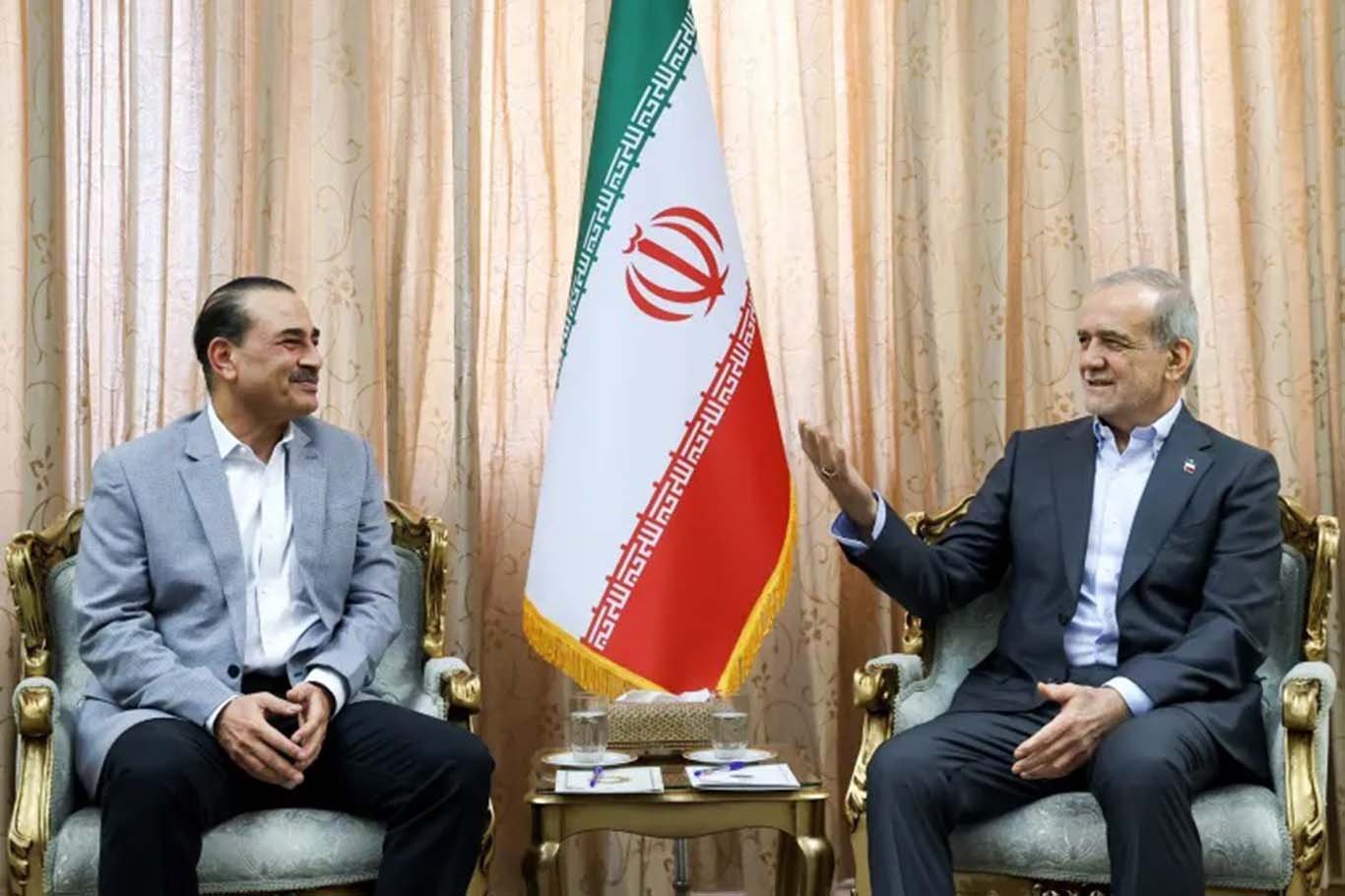
President Masoud Pezeshkian is making a fresh diplomatic push as Iran pushes Muslim unity, while Qatar prepares to send its prime minister to Tehran in an attempt to restart talks between Iran and the United States.
The two developments point to a wider shift in the conflict. While Tehran remains firmly opposed to US and Israeli pressure, it is also signalling that regional diplomacy could offer a way out of the crisis.
Pezeshkian’s Non-Aggression Proposal
Speaking at the 40th International Islamic Unity Conference in Tehran on Thursday, Pezeshkian called on Muslim countries to put aside their differences and build stronger security and economic relationships.
The Iranian president proposed a Pezeshkian non-aggression pact in which Muslim countries would agree not to threaten each other’s security or territorial integrity. He also called for a permanent mediation system to settle disputes before they develop into larger conflicts.
The timing is significant. Iran is under intense pressure from the United States, while tensions over the Strait of Hormuz continue to affect global energy markets. Pezeshkian’s message therefore appears aimed not only at religious unity, but at creating a regional security system that relies less on outside powers.
He has also argued that Iran is open to negotiations but will resist economic pressure from Washington.
Qatar’s Tehran Mission Could Test the Diplomatic Route
At the same time, Qatar is stepping deeper into the diplomatic effort. Qatar’s Prime Minister Sheikh Mohammed bin Abdulrahman Al Thani is visiting Tehran to discuss de-escalation and ways to revive Qatar-Iran talks with Washington. Qatar has previously played a key role as a back-channel between Iran and the US and helped broker a temporary pause in fighting earlier this year.
The challenge is that the biggest disputes remain unresolved. The United States wants freedom of navigation through the Strait of Hormuz, while Iran wants greater control over the strategic waterway. Oil flows have fallen sharply since the conflict began, making the issue important far beyond the Middle East.
Can Regional Diplomacy Actually Work?
The biggest question is whether Qatar can turn these separate diplomatic signals into meaningful negotiations. Pezeshkian is calling for cooperation among Muslim nations, while Qatar is trying to bridge the gap between Tehran and Washington. Oman is also involved in discussions over shipping arrangements in Hormuz.
There are signs that markets are watching closely. Oil prices fell on Thursday as hopes for renewed diplomacy increased, although analysts warn that the main disputes have not been solved.
For now, the message from the region is clear: military pressure has not ended the crisis, and neighbouring countries are increasingly pushing for diplomacy before the conflict creates even greater economic and security risks.