









The Sokoto boat tragedy has once again exposed a problem that Nigeria has struggled to solve for years: people are still dying on the country’s waterways in accidents that may be preventable.
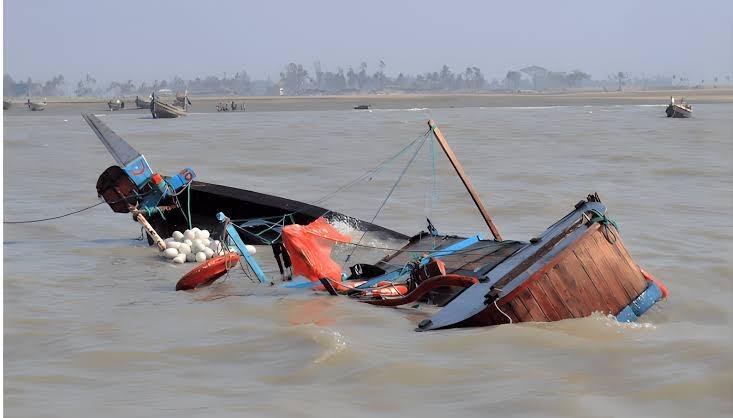
At least 47 people have been confirmed dead after a boat capsized near Gorau in Goronyo Local Government Area of Sokoto State on Thursday. Other reports put the toll above 50 as rescue teams continue searching for victims. The boat was carrying people travelling to farms, and many of those killed were children.
The number of children among the victims makes the Sokoto boat accident particularly devastating. But it also raises a question that goes beyond this single tragedy: why are basic waterway safety rules still not being enforced strongly enough to prevent disasters like this?
The Sokoto Boat Tragedy Was More Than an Accident
Reports indicate that more than 70 people, and possibly more than 80, were on the boat when it capsized. Many were farmers and labourers travelling to work during the farming season.
For communities that depend on waterways to reach farms, schools and markets, travelling by boat is not a luxury. It is part of everyday life. When a boat is overloaded or poorly maintained, passengers often have little choice but to take the risk because there may be no practical alternative.
Nigeria Already Has Waterway Safety Rules
The tragedy is especially difficult to explain because Nigeria already has regulations designed to prevent these situations. The National Inland Waterways Authority (NIWA) says safety rules cover vessel registration, licensing and navigation, while previous enforcement campaigns have specifically warned against overloading, unsafe boats and failure to use life jackets.
NIWA has also said that more than 90% of waterway accidents are linked to human error, including overloading and poor vessel conditions. That means the question after the Sokoto boat accident should not simply be, “How did the boat capsize?” It should be, “Why was a boat carrying so many people allowed to operate in the first place?”
This Has Happened in Sokoto Before
There is another uncomfortable detail. Sokoto experienced another deadly boat accident in August 2025, when NEMA reported a mishap in Goronyo Local Government Area and launched a search and rescue operation with NIWA, the state emergency agency and local divers.
A year later, another major tragedy has happened in the same area. Like the recurring flooding problems in Abuja, the Sokoto tragedy raises questions about whether existing safety rules are actually being enforced.
What Should Happen Next?
The authorities need to investigate the boat, the operator, the loading process and the conditions under which the journey began. But the response should not end with an investigation.
NIWA has previously distributed life jackets and trained boat operators, while its regulations already provide a framework for safer inland transportation. The bigger challenge is enforcement in remote communities where government oversight can be limited.
The Sokoto boat tragedy should not become another disaster that Nigerians mourn for a few days before the same safety failures are forgotten. If waterways are essential to people’s livelihoods, then making them safe must be treated as essential infrastructure too.