









The latest escalation between Iran and the United States is creating a new problem for Gulf countries: staying out of the war may no longer be enough to keep them safe.
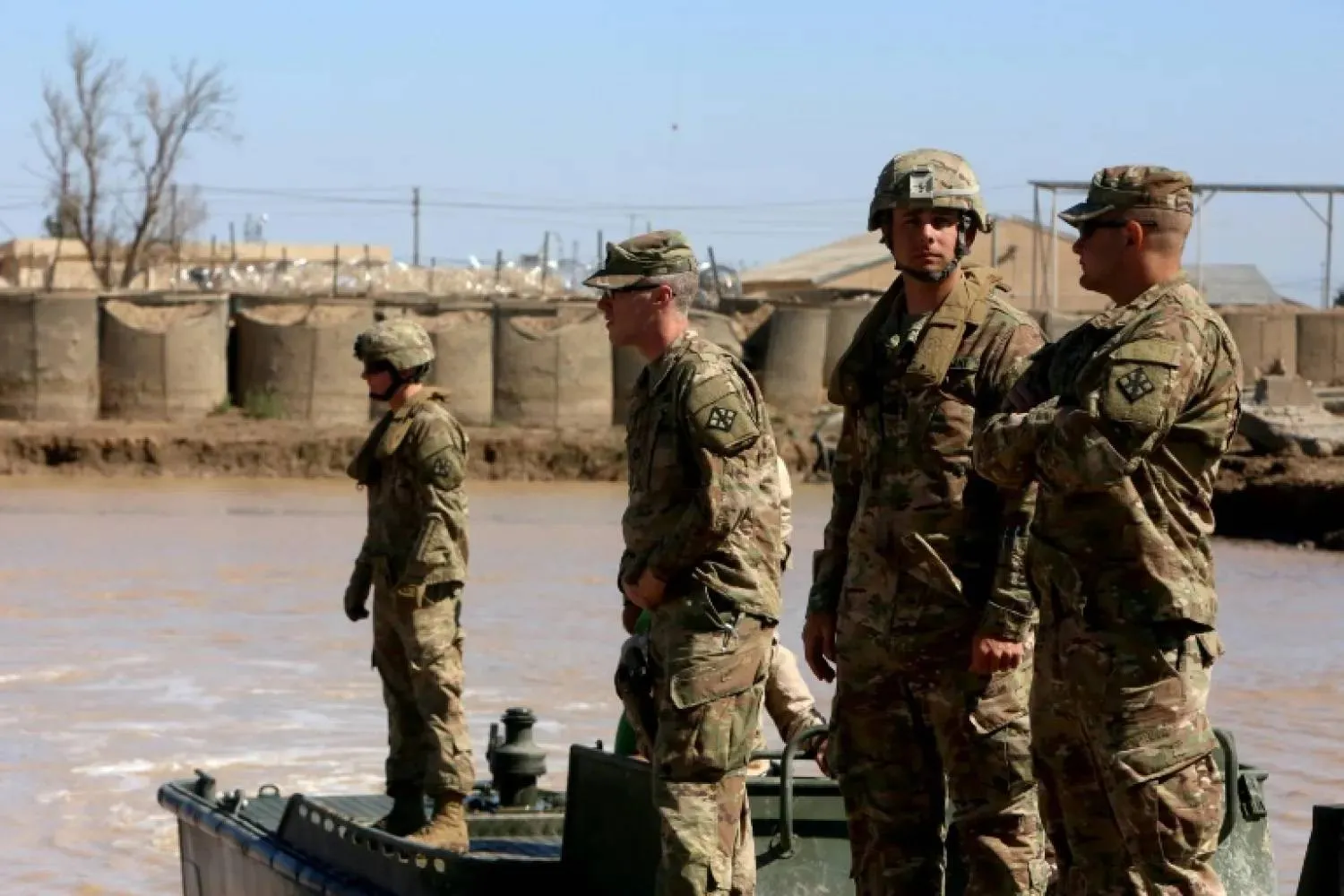
Iranian armed forces have warned Gulf states against providing any assistance to the US military, saying that allowing American forces to use their territory, bases or facilities would be treated as participation in an offensive against Tehran. The warning comes as tensions around the Strait of Hormuz continue to rise.
At the same time, the United Arab Emirates has suspended all trade, commercial exchanges and financial transactions with Iran after accusing Tehran of launching two ballistic missiles towards the Gulf. Iran has denied responsibility for the launches, calling the UAE’s accusation baseless.
The developments suggest that the conflict is entering a more dangerous stage where economic relationships and diplomatic neutrality are becoming part of the battlefield.
The UAE Has Chosen to Draw a Line
The UAE’s decision to halt trade with Iran is significant because the two countries have historically maintained important commercial links.
Abu Dhabi says its decision followed the detection of two missiles launched from Iran. According to the UAE, both missiles fell into the sea, but authorities assessed that they were aimed at maritime traffic.
Iran disputes that account. That leaves the UAE making a major economic decision based on an attack Tehran says it did not carry out.
For businesses operating between the two countries, the immediate concern is what happens if the suspension lasts. Trade restrictions could affect shipping, finance and companies that depend on the movement of goods through the Gulf.
Iran Is Trying to Keep the Gulf States Out
Tehran’s warning to Gulf countries is just as important. Iran is essentially telling its neighbors that they cannot support the US militarily and then claim to be neutral.
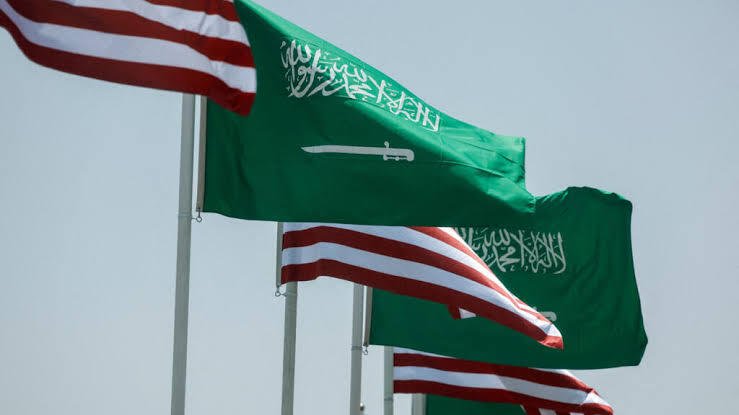
That puts countries such as the UAE, Saudi Arabia, Qatar and Bahrain in an extremely difficult position. Many host American military personnel or facilities, while also maintaining economic and diplomatic relationships with Iran.
If Iran begins treating those facilities as legitimate parts of the US military campaign, the Gulf could become much more directly involved in the conflict.
The Strait of Hormuz Makes Everything More Dangerous
At the center of the crisis is the Strait of Hormuz, one of the world’s most important energy routes. The ongoing confrontation has already disrupted shipping through the waterway, while oil prices have continued to rise as traders worry about further supply problems.
Reuters reported that UAE markets fell on Wednesday following the missile incident, with investors concerned about regional security and the future of shipping through Hormuz. That means this is no longer simply a Middle Eastern military dispute.
If the conflict continues to restrict shipping, the effects could reach fuel prices, transport costs and inflation in countries far beyond the Gulf.
What Happens Next?
The biggest question is whether Gulf governments can prevent themselves from being pulled further into the conflict.
The UAE has already taken an economic step against Iran, while Tehran is warning its neighbours against assisting Washington. At the same time, the US is trying to maintain pressure on Iran around Hormuz.
This creates a dangerous cycle. The more Gulf states cooperate with Washington, the more likely Tehran is to view them as part of the conflict. The more Iran threatens or targets them, the harder it becomes for those countries to remain neutral.
The Gulf states may have spent years building themselves as centres of trade and investment. The longer this confrontation continues, the more that economic stability could become one of its casualties.


2 thoughts on “Iran’s Gulf Warning Shows the War Is Spreading Beyond the US and Tehran”