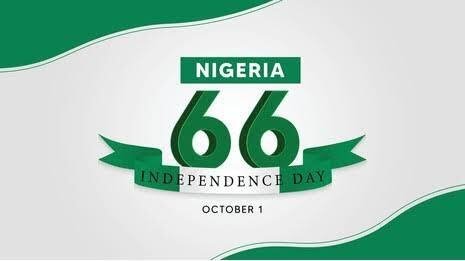




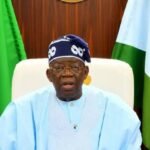



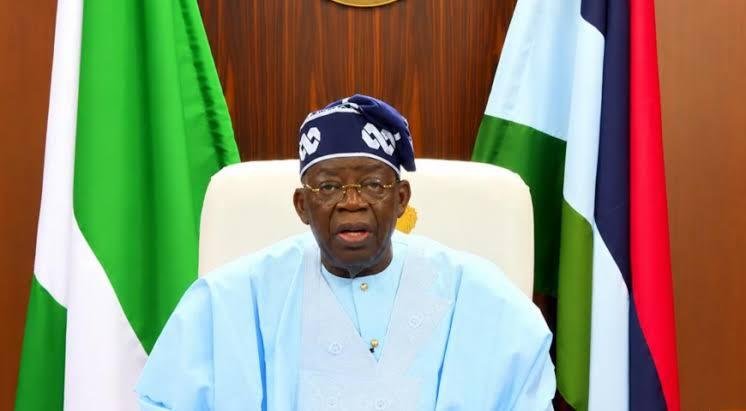
President Bola Tinubu used Nigeria’s 66th Independence Day address on October 1, 2026, to make a major shift in the government’s economic message. After more than three years of difficult economic reforms, the President said Nigeria had moved from an “age of reform” into an “age of prosperity”, with the focus now turning to jobs, production and a lower cost of living.
The message comes at a critical point for Nigerians. While Tinubu pointed to economic indicators that he said showed greater stability, many households are still dealing with high living costs. Opposition figures including Atiku Abubakar and Peter Obi have therefore challenged the idea that the country has entered a period of prosperity, arguing that economic progress must eventually be visible in the daily lives of ordinary Nigerians.
Tinubu Says Nigeria Has Passed the Hardest Reform Period
In his Nigeria 66th Independence Day speech, Tinubu defended the major economic decisions taken since he became president in 2023, particularly the removal of the petrol subsidy and changes to the foreign exchange system.
The President argued that those reforms were necessary to address structural problems that had built up over many years. He said the difficult phase had laid the foundation for a new period focused on shared prosperity, including cheaper production, stronger industries, more jobs and improved living standards.
Tinubu also said Nigeria’s economy had grown by more than 4 per cent in 2026 and pointed to improvements in foreign reserves, oil theft, inflation and non-oil exports as evidence that the reforms were beginning to produce results. These figures are central to the government’s argument that the economy is now in a stronger position than it was at the beginning of the reform programme.
Fuel Subsidy Removal Will Not Be Reversed
One of the clearest messages from the Independence Day speech was that the government does not intend to return to petrol subsidies.
Tinubu warned Nigerians against politicians promising to restore fuel subsidies, arguing that such a move would undermine the reforms his administration has implemented. The position is likely to remain an important political and economic issue as Nigeria moves closer to the 2027 elections.
The bigger question is whether the government can now translate the savings and economic adjustments from the reform period into tangible relief for households. Tinubu said his administration’s next priority is reducing the cost of producing and transporting food and other goods, while expanding agriculture, infrastructure, industrial production and employment.
Atiku and Obi Challenge the Prosperity Message
The President’s message has already faced criticism from opposition figures.
Atiku Abubakar, the African Democratic Congress presidential candidate, argued on October 1 that the APC administration had left Nigerians poorer and questioned the claim that the country had entered an era of prosperity. He pointed to the continuing cost-of-living crisis and insecurity as evidence that many Nigerians are yet to experience the benefits described by the government.
Peter Obi also used his Independence Day address to focus on measurable improvements in people’s lives. Rather than accepting promises as sufficient, he said Nigerians need leadership that is accountable and centred on welfare, productivity, security, education and healthcare.
The competing messages highlight the central economic debate facing Nigeria at 66. The government says the painful adjustments were necessary and that the next phase should deliver prosperity. Its critics argue that economic improvements cannot be fully established from macroeconomic figures if households continue to struggle with basic expenses.
What Nigerians Can Expect Next
The real test of Tinubu’s “age of prosperity” will now be what happens beyond the speech.
The government has promised to make food and transportation more affordable by improving agricultural production, infrastructure, energy supply and logistics. It has also promised more jobs, stronger support for businesses and greater investment in productive sectors.
For Nigerians, however, the most important measure may be simpler: whether salaries go further, businesses become cheaper to operate, food prices become more manageable and young people can find productive work.
Nigeria’s 66th Independence Day therefore marks more than another anniversary. It marks the point at which the Tinubu administration is asking Nigerians to judge its reforms not only by economic statistics, but by whether those reforms eventually improve everyday life.