








At least 27 children and one teacher have died after a school roof collapsed in Peshawar, northwestern Pakistan, on Thursday, October 15, 2026. The tragedy has renewed concerns about unsafe school buildings and whether enough is being done to protect children in classrooms.
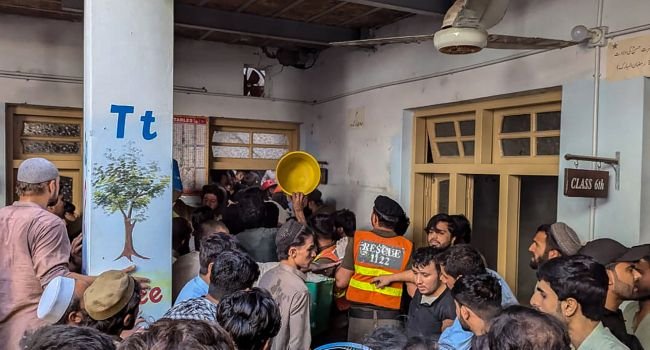
The collapse happened at Al-Khair Education Center in Dir Colony, a residential area of Peshawar. The children were reportedly 13 years old or younger. Emergency workers rushed to the scene as parents gathered at the school and hospitals, hoping to find their children alive.
Rescue Teams Race to Find Survivors
Rescue workers removed debris from the collapsed building while searching for people who might still be trapped. Injured children were taken to Lady Reading Hospital, where emergency services treated those pulled from the rubble.
The number of victims increased as rescue operations continued, and early reports gave lower death tolls. The final number of casualties may depend on the outcome of the search and official confirmation from authorities.
Officials have not yet established the full cause of the collapse. Local reports said the building had been damaged by rain, while the wider investigation is expected to examine its structural condition and safety.
A Wider Problem With School Building Safety
The Peshawar school roof collapse is not an isolated case. Pakistan has recorded other deadly building collapses involving children this year, including incidents at schools and tutoring centres.
In June, a roof collapse at a tutoring centre in Lahore killed 14 children. Other incidents have raised questions about construction quality, building maintenance and whether educational facilities are being properly inspected.
These repeated tragedies make school building safety a serious public concern. Schools should provide children with a safe place to learn, but weak structures and poor oversight can turn an ordinary school day into a disaster.
What Happens Next?
Authorities will need to determine why the roof gave way and whether the building met required safety standards. Any investigation should establish whether poor construction, inadequate maintenance, rain damage or other factors contributed to the collapse.
The findings could also lead to calls for wider inspections of school buildings, particularly older structures and privately operated educational facilities. However, meaningful change will depend on whether safety checks are followed by repairs, enforcement and action against those responsible for violations.
For the families affected, the immediate priority is finding survivors, treating the injured and identifying the victims. Beyond the rescue effort, the tragedy raises a difficult but urgent issue: preventing unsafe buildings from putting more children’s lives at risk.