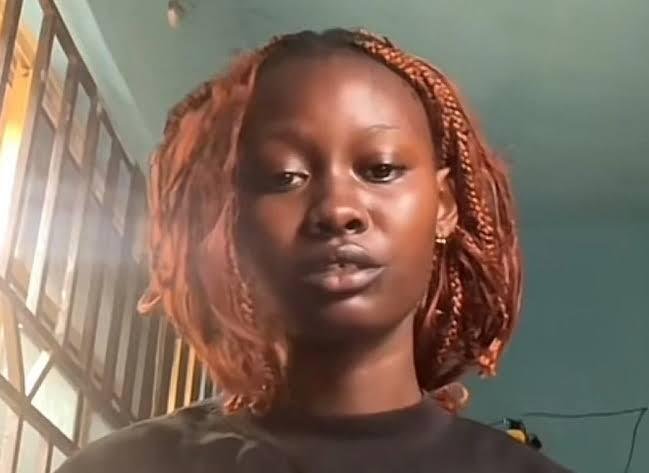
Nigerian TikToker Nsikak Abigael Emem, popularly known as Mirabel, has publicly apologised for fabricating a rape allegation that triggered nationwide outrage, donations and widespread sympathy in February 2026.
In her latest public statement on Saturday, November 28, Mirabel admitted that her actions were wrong and irresponsible. She expressed regret to genuine sexual assault survivors, Nigerians who defended her and people who contributed money because they believed her story.
The apology marks another chapter in a controversy that has followed the young content creator for months. After the Ogun State Government opted for rehabilitation instead of prosecution, Mirabel has been attempting to rebuild her life, learning fashion design, running advertisements and considering further education.
However, her apology has reopened an important debate about forgiveness, accountability and the damage false allegations can cause.
The biggest question is no longer whether Mirabel has admitted her wrongdoing. It is whether Nigerians are willing to give her another chance and whether she can rebuild the trust she lost.
How Did Mirabel’s Fabricated Rape Allegation Start?
The Mirabel controversy began in February 2026 when the TikTok personality shared emotional videos claiming that an unidentified man had invaded her residence in Ogijo, Ogun State, and sexually assaulted her.
Her account attracted widespread attention because of the disturbing details she shared and the emotional condition she appeared to be in.
Nigerians immediately expressed sympathy, with many demanding justice and calling on security agencies to investigate the alleged attack.
The story also attracted financial support. People contributed money to help her recover, while social media users used their platforms to amplify her account.
However, questions soon emerged about inconsistencies in her claims.
The controversy took a dramatic turn when social media activist Martins Vincent Otse, popularly known as VeryDarkMan, shared a telephone conversation in which Mirabel admitted that the allegation was false.
She reportedly acknowledged creating another TikTok account and using it to send herself threatening messages to support her story.
The revelation completely changed public perception of the incident.
What had initially appeared to be a disturbing case of sexual violence became a major controversy about deception, social media influence and the misuse of public sympathy.
Why Did Ogun State Choose Rehabilitation Instead of Prosecution?
One of the most important developments in the Mirabel case came on June 24, 2026, when the Ogun State Government announced that investigations had established that her rape allegation was false and deliberately fabricated.
The Attorney-General and Commissioner for Justice, Oluwasina Ogungbade, explained that the findings, alongside Mirabel’s own admissions, established that the incident had not happened as initially reported.
The government also announced that it would not pursue prosecution against her, choosing psychosocial rehabilitation instead.
Mirabel was placed under the care of the Ogun State Ministry of Women Affairs and Social Development.
According to the government, the decision followed a review of the circumstances surrounding the incident and a determination that rehabilitation would better serve the interests of justice.
This decision generated mixed reactions.
Some Nigerians argued that she should have faced prosecution because fabricated rape allegations could damage the credibility of genuine survivors.
Others supported the government’s approach, believing that rehabilitation could help her address the circumstances surrounding her actions and rebuild her life.
It is important to understand that the decision not to prosecute Mirabel was specific to her case. It does not mean that deliberately making false allegations is generally free from legal consequences.
The government also reported that she was making progress and preparing for examinations to further her education.
Mirabel Apologises to Genuine Rape Survivors
Perhaps the most significant part of Mirabel’s latest apology is her acknowledgement of the people who genuinely experience sexual violence.
She expressed regret for making a false allegation involving such a serious crime and recognised that her actions could have hurt survivors who already struggle to have their experiences believed.
This is a serious concern in Nigeria.
Sexual assault survivors often face stigma, victim-blaming and pressure to remain silent. Some struggle to report incidents because they fear being questioned, judged or ignored.
When a fabricated allegation attracts national attention, it can create additional difficulties for people who genuinely need help.
Unfortunately, some individuals may use such cases to dismiss other allegations without proper investigation.
That is dangerous.
A false allegation should never become an excuse to automatically doubt someone reporting sexual violence.
Every allegation deserves appropriate attention and investigation, regardless of the identity of the person making it.
Mirabel’s actions were wrong, but the appropriate lesson should be to strengthen the way society handles sexual assault reports, not to discourage genuine survivors from speaking out.
What About the Money Nigerians Donated to Mirabel?
Another major issue surrounding the controversy is the money Nigerians contributed when they believed she had been attacked.
Many people donated because they wanted to support someone they thought was going through a traumatic experience.
Others used their influence to encourage more contributions.
In her apology, Mirabel expressed regret towards those who supported her financially and acknowledged that she had betrayed their trust.
She also addressed criticism surrounding an earlier live broadcast in which she appeared ungrateful towards people who had helped her.
However, an apology does not automatically answer every question about the donations.
There is still a difference between acknowledging that people contributed money and providing a clear account of what happened to those contributions.
In my opinion, financial transparency would be an important part of rebuilding her reputation.
People who donated deserve clarity, especially because their decisions were based on an allegation that was later established to be false.
This is also a lesson for online fundraising in Nigeria. Social media has become an important platform for helping people in difficult situations, but public generosity should be accompanied by transparency and accountability.
Nigerians should not stop helping people because of one controversy. However, those receiving public donations should understand the responsibility that comes with that trust.
Mirabel Is Learning Fashion Design and Rebuilding Her Life
Beyond apologising, Mirabel has also provided an update on her efforts to move forward.
She reportedly disclosed that she is learning fashion design, running advertisements for brands and hoping to gain admission into a university.
These activities suggest that she wants to develop a life beyond the controversy that made her popular.
For a young content creator whose public identity became associated with a fabricated rape allegation, rebuilding a career will not be easy.
Brands may be cautious about working with her because of possible public backlash. Some followers may also struggle to separate her future activities from what happened in February.
Nevertheless, learning fashion design could provide an opportunity to develop a practical skill and establish a different career path.
It is also important that her rehabilitation is not judged only by how quickly Nigerians accept her again.
Personal improvement takes time, and the public may never know every detail of the support she has received.
What matters is whether she continues making responsible decisions and demonstrates that she understands the consequences of her previous actions.
Can Mirabel Make a Successful Social Media Comeback?
Mirabel’s return to public attention has attracted different reactions.
Some Nigerians believe she deserves forgiveness and an opportunity to rebuild her life. Others remain sceptical, arguing that her actions caused damage that cannot simply be erased with an apology.
Both reactions are understandable.
An apology is important, but it is only the beginning of accountability.
People who have lost trust in her are not obligated to immediately accept her explanation or support her future activities.
At the same time, permanently denying someone the opportunity to change defeats the purpose of rehabilitation.
I believe Mirabel should be allowed to rebuild her life, but that opportunity should come with an understanding that public trust must be earned.
She cannot expect Nigerians to forget what happened simply because she has admitted her mistake.
Her future actions will matter more than another emotional video.
The Bigger Lesson: False Allegations Can Hurt Genuine Survivors
The Mirabel controversy highlights a problem that extends beyond one TikTok personality.
Social media has made it easier for people to share personal experiences, seek help and attract attention to serious problems.
This has helped many genuine survivors find support, particularly when they feel ignored by traditional institutions.
However, the same platforms can also spread misinformation quickly, sometimes before the facts have been established.
A fabricated sexual assault allegation can damage reputations, waste investigative resources, encourage public distrust and make genuine survivors more vulnerable to suspicion.
This is why responsible reporting and proper investigations remain important.
People should be able to support alleged victims without automatically treating every online account as an established fact. Likewise, genuine survivors should not be forced to prove their innocence simply because another person fabricated a similar story.
Mirabel’s apology offers an opportunity to reflect on these issues.
Her decision to acknowledge wrongdoing is a positive step, but the consequences of her actions should not be ignored.
Ultimately, Nigerians can choose to forgive her without pretending that nothing happened.
She deserves the opportunity to build a better future, but the trust she lost will take much longer to recover.
For now, her biggest challenge is not returning to TikTok or securing brand advertisements. It is demonstrating through her actions that she has genuinely learned from one of the most controversial episodes of her life.