Dangote Petroleum Refinery is preparing for a major milestone in Nigeria’s financial market while offering some relief to businesses struggling with high energy costs. The refinery has confirmed that its shares will begin trading on the Nigerian Exchange (NGX) on Tuesday, December 1, 2026, following regulatory approval of its heavily oversubscribed initial public offering (IPO).
The announcement comes alongside another important development. The refinery has reduced its diesel gantry price by ₦125 per litre, bringing the price down from ₦1,720 to ₦1,595, effective Thursday, November 26.
The two developments place Africa’s largest single-train refinery at the centre of two important conversations: whether ordinary Nigerians can benefit from owning shares in a major industrial business and whether local refining can gradually reduce the operating costs facing Nigerian businesses.
For Aliko Dangote, the refinery’s founder, the December listing represents an opportunity to expand the company’s ownership base. For manufacturers, transport operators and other diesel-dependent businesses, the latest price reduction offers the possibility of lower operating expenses.
However, the bigger question is whether these developments will translate into meaningful economic benefits beyond the refinery itself.
Dangote Refinery Shares to Begin Trading on NGX December 1
The Nigerian Exchange will welcome Dangote Petroleum Refinery and Petrochemicals when its shares begin trading on Tuesday, December 1.
Dangote Group Vice-President for Oil and Gas, Devakumar Edwin, confirmed the date in an interview with Reuters on Wednesday, November 25.
The announcement followed the Securities and Exchange Commission’s approval of the refinery’s IPO share allocation plan on November 23, clearing an important regulatory hurdle.
The approval allows the company to proceed with allocating shares to successful applicants and completing preparations for its stock market debut.
The development is particularly significant because the refinery’s IPO attracted far more interest than the original number of shares available.
According to subscription figures reported by financial publications, approximately 3.78 million investors applied for 11.15 billion shares, representing demand worth about ₦5.85 trillion.
The original offer consisted of 4.1 billion shares, but the company expanded the allocation to accommodate additional demand.
The revised allotment schedule provides for approximately 5.196 billion shares at ₦525 each, worth about ₦2.73 trillion.
This level of interest makes the offering one of the most significant recent developments in Nigeria’s capital market.
It also shows that Nigerians are interested in investing in businesses with a visible connection to the country’s economic future.
Why Did Dangote’s IPO Attract Millions of Investors?
One reason for the strong demand is the refinery’s position in Nigeria’s petroleum industry.
For decades, Nigeria depended heavily on imported refined petroleum products despite being one of Africa’s largest crude oil producers.
The Dangote Refinery was built partly to address this problem by processing crude oil locally and supplying petroleum products to domestic and international markets.
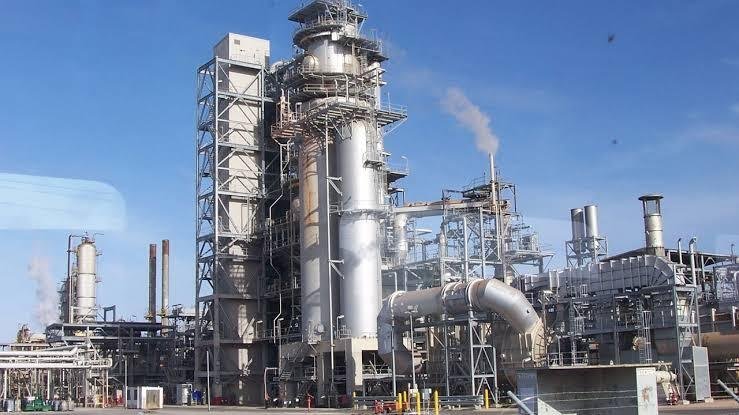
Located in the Lekki Free Zone in Lagos, the refinery has a processing capacity of approximately 700,000 barrels per day.
Its size and strategic importance make it one of the country’s most prominent industrial investments.
The IPO was presented as a people’s offering, giving ordinary Nigerians an opportunity to own a stake in a major private-sector project.
Investors could subscribe for as few as 10 shares at ₦525 each, making the minimum investment ₦5,250.
That relatively low entry point helped attract retail investors who might otherwise have considered the refinery beyond their financial reach.
However, there is an important distinction between owning shares and controlling the business.
After the IPO, Aliko Dangote is expected to retain approximately 83.5 per cent ownership, while the Nigerian National Petroleum Company Limited’s stake is expected to fall to around 6.5 per cent.
This means public investors will participate in the company’s financial performance, but Dangote will continue to hold overwhelming control.
The listing therefore offers Nigerians an opportunity to participate in the refinery’s growth without necessarily giving them significant influence over its daily management.
What Does the December 1 Listing Mean for Investors?
The commencement of trading will allow successful IPO subscribers to see their shares admitted to the Nigerian Exchange.
It will also create a public market where investors can buy and sell the refinery’s shares, subject to applicable market rules.
For the Nigerian capital market, this is an important development because it introduces another major industrial company to the exchange.
The listing could attract additional interest from local and international investors looking for exposure to Nigeria’s energy and manufacturing sectors.
However, investors should not assume that the shares will automatically increase in value after listing.
The offer price of ₦525 is the price at which investors subscribed during the IPO. Once trading begins, the market price will depend on demand, company performance, earnings expectations and wider economic conditions.
The refinery’s profitability, crude supply arrangements, operating costs and expansion plans will all influence how investors value the company.
There is also the question of how the refinery will use the money raised.
The company has ambitious plans to expand its processing capacity and strengthen its position in the international petroleum market.
For investors, the important issue is whether these plans will generate sustainable earnings and long-term shareholder value.
In my opinion, the real test of the IPO will not be how many people subscribed or how much attention the listing receives. It will be whether the refinery can consistently deliver financial performance that justifies investors’ confidence.
Dangote Cuts Diesel Price by ₦125 Per Litre
While preparations for the stock market debut continue, the refinery has also announced a reduction in its diesel gantry price.
The new price of ₦1,595 per litre represents a 7.27 per cent reduction from the previous ₦1,720.
The adjustment took effect on Thursday, November 26, and applies to bulk buyers and downstream petroleum marketers loading diesel directly from the refinery.
The refinery also indicated that credits resulting from the price adjustment would be reflected in customers’ ledger accounts.
This is potentially good news for Nigerian businesses because diesel remains an important source of energy for companies that cannot depend entirely on public electricity supply.
Manufacturers use diesel to operate generators and industrial equipment. Logistics companies also depend on it to power trucks and other commercial vehicles.
A reduction in diesel prices can therefore lower some of the costs associated with production, distribution and business operations.
However, businesses should not expect the entire ₦125 reduction to appear immediately at every diesel retail outlet.
Marketers and distributors have their own transportation, storage and operating expenses. The speed and extent of the price reduction reaching end users will depend on how these businesses adjust their selling prices.
The latest announcement is therefore a wholesale price reduction, not a guarantee that every Nigerian buying diesel will immediately pay ₦1,595 per litre.
Can the Diesel Price Reduction Help Manufacturers and Small Businesses?
The reduction comes at a time when many Nigerian businesses are still struggling with high operating costs.
Electricity remains a major challenge for manufacturers, restaurants, hospitals, hotels, supermarkets and small businesses.
Many companies have invested in generators because unreliable public electricity makes it difficult to maintain regular operations.
For these businesses, diesel prices can significantly influence monthly expenses.
Consider a company that purchases 10,000 litres of diesel every month. If the entire ₦125 reduction is passed on to the business, it could save approximately ₦1.25 million monthly.
Over a year, that would amount to ₦15 million.
Of course, this is an illustrative calculation. Actual savings will depend on the quantity purchased and whether marketers pass on the refinery’s reduction.
Nevertheless, it demonstrates why changes in diesel prices matter beyond the petroleum industry.
Lower energy expenses could give manufacturers more room to manage production costs, retain employees and maintain competitive prices.
Logistics operators could also benefit if lower diesel costs eventually reduce transportation expenses.
However, there is no guarantee that businesses will immediately reduce the prices of their products and services.
Some companies may use the savings to cover existing debts, rising wages, maintenance expenses and other financial pressures.
The reduction is welcome, but its effect on the wider economy will depend on how sustained it becomes.