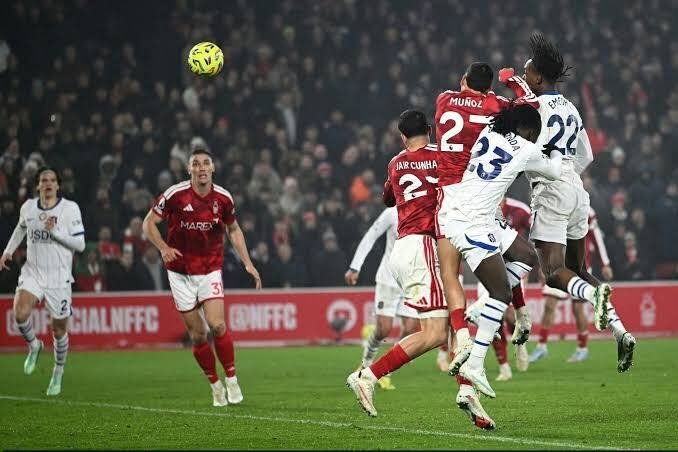
Chelsea’s 3-2 defeat to Nottingham Forest has raised fresh questions about Xabi Alonso’s ability to turn the club’s difficult Premier League season around. However, the biggest concern is no longer just the results. It is the growing evidence that Chelsea are struggling with basic elements of competitive football, including defensive organisation, physical intensity and confidence.
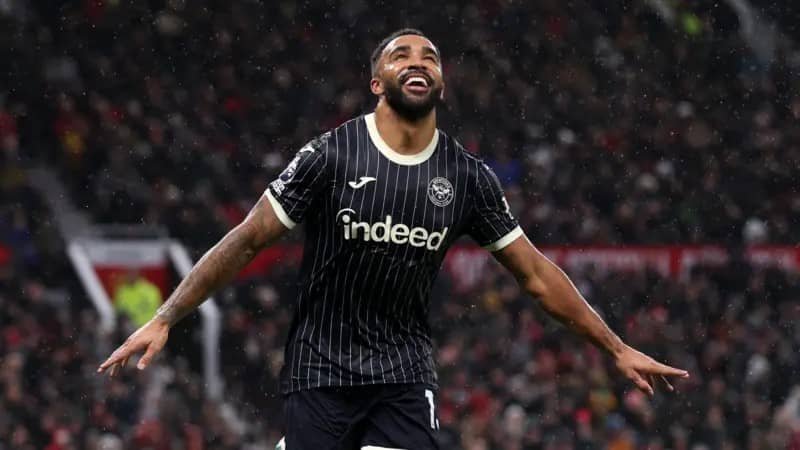
Nottingham Forest defeated Chelsea at the City Ground on Friday, November 27, 2026, handing Alonso his third consecutive Premier League defeat. Igor Jesus opened the scoring before Morgan Gibbs-White converted a penalty and later added another goal. Chelsea substitute Emmanuel Emegha scored twice, but his late contribution could not prevent another disappointing result.
Chelsea now have five wins from 12 Premier League matches and sit eighth with 16 points. They have also lost four of their last five league matches, leaving Alonso with an increasingly difficult task.
The defeat has intensified scrutiny of the Spanish manager, who arrived at Stamford Bridge with expectations of building a more competitive and tactically organised team.
Yet the statistics from the Forest game suggest that Chelsea’s problems extend beyond individual mistakes. Forest reportedly covered six kilometres more than Chelsea, highlighting a worrying difference in energy and commitment.
For Alonso, the challenge is becoming clear: he must convince his players to compete with greater intensity before another disappointing result turns the current crisis into something much bigger.
Nottingham Forest Expose Chelsea’s Physical Weakness
The most worrying aspect of Chelsea’s defeat was how easily Nottingham Forest controlled important periods of the match.
Forest entered the fixture with confidence after beating Manchester City in their previous home game. Under Oliver Glasner, they appeared organised, aggressive and willing to take advantage of Chelsea’s weaknesses.
Igor Jesus gave the hosts the lead with an excellent volley, putting Chelsea under pressure early in the contest.
The visitors struggled to respond convincingly, and their defensive problems became more obvious after the break.
Wesley Fofana brought down former teammate Liam Delap inside the penalty area, giving Forest an opportunity to extend their advantage. Gibbs-White converted the resulting penalty, making it 2-0.
Although Emegha pulled one back, Forest restored their two-goal advantage through another Gibbs-White finish in the 72nd minute.
Chelsea managed another late goal through Emegha, but it was not enough to change the outcome.
The running statistics made the result even more uncomfortable for Alonso. According to Sky Sports, Forest had already covered 3.8 kilometres more than Chelsea at half-time. Glasner later highlighted a six-kilometre difference after the match.
Distance covered does not always determine which team plays better, but the difference becomes significant when a side is also struggling defensively and losing individual battles.
Chelsea had more possession, yet they struggled to turn it into meaningful attacking opportunities.
This raises an important question about Alonso’s system. Is his team physically prepared to execute the football he wants to play?
A manager can introduce sophisticated tactical ideas, but those ideas become difficult to implement when players cannot maintain the required intensity.
Xabi Alonso’s Decision to Start Wesley Fofana Backfires
Wesley Fofana became one of the biggest talking points following the defeat.
The defender was already under scrutiny after a controversial YouTube interview in which he appeared to make light of Chelsea’s Carabao Cup disappointment and discussed his difficult injury experiences.
His comments had attracted criticism from supporters, making his selection against Nottingham Forest a potentially sensitive decision.
Alonso nevertheless included him in the starting team.
Unfortunately for the manager, Fofana’s performance did little to justify that decision. He struggled defensively and conceded the penalty that allowed Forest to move further ahead.
Chelsea supporters travelling to the City Ground also made their frustration clear, booing the defender during the match.
However, I believe the situation deserves more careful consideration than simply blaming Fofana.
The defender has experienced difficult injury periods, and confidence can become a major issue when a player is repeatedly criticised.
Alonso has a responsibility to manage his squad, protect players when necessary and make difficult selection decisions.
But supporting a player does not mean ignoring poor performances.
The manager must find the right balance between giving Fofana an opportunity to recover his confidence and protecting the team’s defensive stability.
His decision to start the defender will inevitably attract questions, particularly because Levi Colwill was available as an alternative.
Alonso needs to demonstrate that team selection is based on performance and tactical suitability rather than an unwillingness to make difficult decisions.
Chelsea’s Defensive Problems Are Becoming Impossible to Ignore
Chelsea’s defensive record is another reason for concern.
According to Reuters, the club had conceded 23 Premier League goals in 12 matches, a figure bettered only by bottom-placed Crystal Palace at the time.
That is a worrying statistic for a club with ambitions of challenging near the top of English football.
The problem is not limited to one defender or one poor performance.
Chelsea have struggled to maintain defensive concentration, deal with opponents’ attacking movements and prevent relatively straightforward opportunities from becoming dangerous situations.
Against Forest, the penalty concession was particularly damaging because it came at a time when Chelsea needed to remain organised and avoid giving the hosts additional encouragement.
Alonso must also consider the impact of injuries.
Several defensive options have been unavailable, limiting his ability to maintain consistency in selection. However, injuries cannot explain every mistake, and the manager will be expected to find solutions with the players available.
One of his biggest challenges will be deciding whether Chelsea need a different defensive structure or simply better execution of the existing system.
Changing tactics every time the team loses could create further confusion. But refusing to adjust when obvious weaknesses continue to appear would be equally dangerous.
The answer is likely to involve both tactical improvements and greater individual responsibility.
Are Chelsea Players Still Behind Their Manager?
Another concern is the relationship between Alonso and his players.
The manager called for unity after the defeat, insisting that everyone at the club must work together to overcome the difficult period.
He acknowledged that confidence was low and admitted that Chelsea were conceding too many goals.
His comments suggest that he recognises the seriousness of the situation.
However, rebuilding confidence is easier said than done.
Players who repeatedly lose matches can begin to doubt their decisions, hesitate in important situations and lose the confidence required to execute demanding tactical instructions.
Chelsea’s supporters are also becoming increasingly frustrated.
The reaction to Fofana demonstrates how quickly individual players can become targets when results deteriorate. If the team’s performances do not improve, that frustration could spread to other members of the squad.
Alonso must therefore create an environment where players remain accountable without becoming afraid of making mistakes.
I believe this is one of the most important tests of his management.
Chelsea have invested heavily in young players, but a squad built around developing talent still needs experienced leadership and a clear identity.
The manager must ensure that players understand their responsibilities and that the team does not fall apart whenever it concedes first.
Oliver Glasner’s Nottingham Forest Show What Chelsea Are Missing
While much of the attention has focused on Chelsea, Nottingham Forest deserve credit for their performance.
Glasner’s team demonstrated the importance of organisation, intensity and taking advantage of opportunities.
The victory also represented Forest’s first home Premier League win over Chelsea since January 1997, ending a long wait against the London club.
More importantly, Forest followed their victory over Manchester City with another impressive home performance against a major opponent.
That suggests Glasner is beginning to establish a more effective approach.
Forest were not required to dominate possession to control the contest. They defended with purpose, attacked dangerous spaces and punished Chelsea when opportunities appeared.
Gibbs-White was particularly influential, scoring twice and demonstrating why he remains an important player for the club.
Igor Jesus also deserves recognition for his opening goal, which gave Forest the confidence to approach the match on their terms.
Chelsea, meanwhile, looked like a team still searching for answers.
The contrast between the two sides was perhaps more revealing than the final score.
Forest played with a clear understanding of what they wanted to achieve. Chelsea appeared uncertain about how to respond when their initial plans failed.
Can Alonso Turn Chelsea’s Season Around?
Despite the pressure, Chelsea should be careful not to make another rushed managerial decision.
Alonso has been in charge for only a few months, and replacing him would not automatically solve the club’s structural problems.
The squad has experienced injuries, inconsistent performances and difficulties maintaining defensive stability. These issues require more than another change in leadership.
However, the manager must also accept responsibility.
His tactical decisions, player selections and ability to improve the team’s physical intensity will determine whether Chelsea can recover.
The immediate priority should be stopping the losing run and restoring confidence.
Chelsea must become more difficult to beat, reduce defensive mistakes and improve their response when opponents score first.
The club’s next fixtures will be important because another series of poor performances could increase pressure from supporters and raise further questions about the direction of the project.
Alonso still has an opportunity to change the narrative, but patience will depend on visible improvement.
For now, the biggest issue at Stamford Bridge is not simply whether Xabi Alonso can win another match.
It is whether he can build a Chelsea team that consistently looks like it knows how to compete.
Three consecutive Premier League defeats are a serious warning. The six-kilometre running gap against Forest makes that warning even harder to ignore.