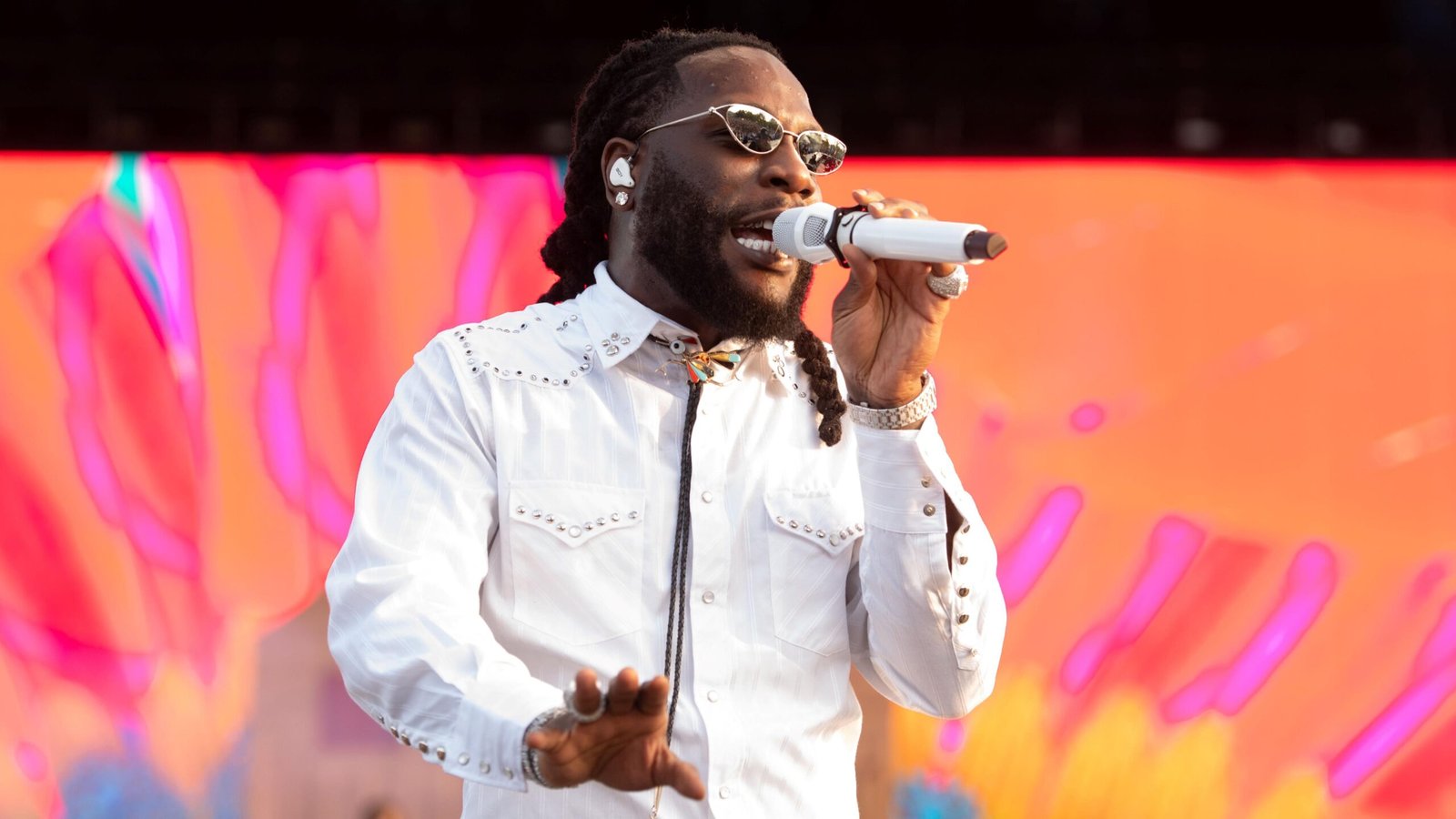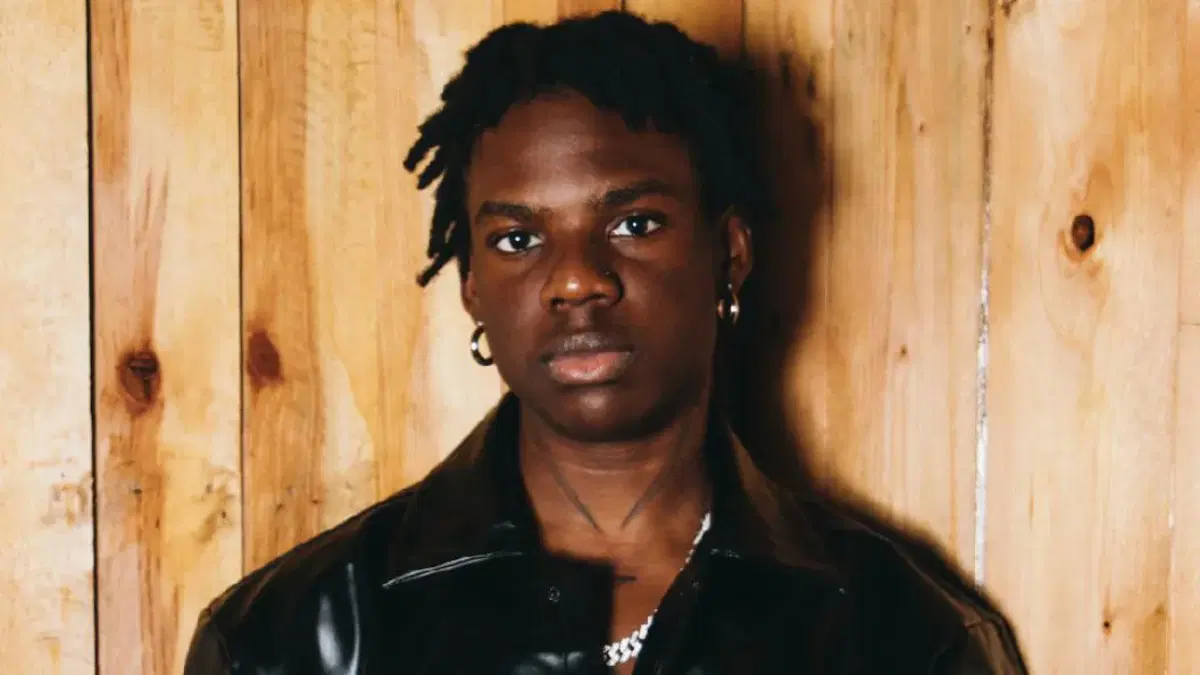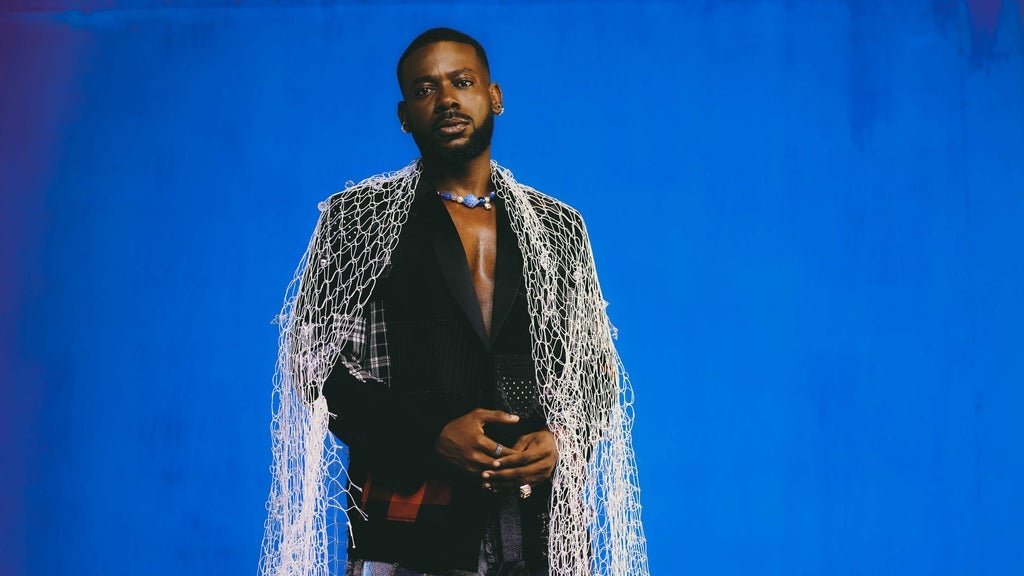

Nigerian livestreamers Peller and Carter Efe have earned nominations for Best International Streamer at the 2026 Streamer Awards, placing them among five creators competing for international recognition. The nominations, announced on October 16, offer more than a chance to win a trophy. They also show how Nigerian online entertainers are gaining visibility in a digital entertainment industry that increasingly reaches audiences across national borders.
The two creators will compete against Indian streamer Ashswag, Polish creator Young Multi and Cuban streamer Staryuuki. Voting is open until October 31, while the awards ceremony is scheduled for November 12 in Los Angeles. The event will be streamed on Twitch and YouTube, giving fans outside the United States an opportunity to follow the results.
For Nigeria, the development raises a bigger issue: can the country’s strong online entertainment culture translate into lasting international opportunities for its creators?
Peller and Carter Efe Make the International Shortlist
Peller, whose real name is Habeeb Hamzat, and Carter Efe, born Oderhowo Joseph Efe, have built their profiles through livestreams, collaborations, comedy and direct interaction with their audiences. Their content often generates conversations beyond the platforms where it first appears, helping them remain visible across Nigeria’s social media space.
Their nominations place both entertainers on the same international shortlist, but each brings a different public identity to the contest. Peller has become known for his energetic livestreaming style and viral interactions, while Carter Efe combines comedy, music and online entertainment. Both have shown how creators can build audiences by making viewers feel involved in the content rather than simply asking them to watch.
Their reactions also showed confidence in the supporters who helped them grow. Carter Efe responded to his nomination by writing, “Don’t stress it, Carter all the way! 100%.” Peller also expressed confidence in his audience, saying, “Bro my fans are crazy no way.”
These comments reflect the role that fan communities can play in livestreaming. Unlike traditional television, where audiences mainly watch a finished programme, livestreaming allows viewers to participate in real time through comments, reactions and other forms of engagement.
That connection can help a creator remain relevant, but it also creates pressure to keep audiences interested. The nomination recognises the creators’ visibility, while the final result will depend on the award’s voting and judging process.
What the 2026 Streamer Awards Mean for Nigerian Creators
The Peller and Carter Efe Streamer Awards nominations come as livestreaming becomes a more visible part of Nigeria’s digital entertainment scene. Social platforms have created opportunities for entertainers to reach audiences without relying entirely on television networks, record labels or traditional entertainment companies.
A creator can build a following through regular broadcasts, collaborations and spontaneous moments that spread across social media. That reach can attract brand partnerships, event invitations and opportunities to work with creators in other countries. International awards can add another layer of recognition, especially when they introduce a creator to audiences who may not have encountered their content before.
Peller’s recent disclosure that he had been invited to TikTok’s office in the United Kingdom also points to the growing attention surrounding his online career. Such invitations do not automatically guarantee commercial success, but they can create opportunities for creators to build relationships with platforms and industry professionals.
For Carter Efe, the nomination offers another form of visibility beyond his work as a comedian and entertainer. Recognition in an international streaming category can help broaden the way audiences and potential partners view his work.
However, a nomination alone does not prove that Nigerian creators have secured a lasting place in the global industry. That will depend on whether they can turn attention into sustainable careers, reach audiences outside their existing fan bases and develop opportunities that continue after the awards ceremony.
Why Fan Support Could Matter in the Final Result
The voting process makes audience mobilisation an important part of the contest. According to reports on the 2026 Streamer Awards, public votes account for 70 per cent of the result, while a panel contributes the remaining 30 per cent.
That arrangement gives supporters a significant role, but it does not make the contest a simple popularity poll. The panel’s contribution means public enthusiasm is only one part of the final outcome.
For Peller and Carter Efe, the challenge is to turn their existing online communities into active support before the October 31 deadline. A creator may have a large audience, but the number of people who regularly watch content is not necessarily the same as the number who will participate in an award vote.
This distinction matters because online popularity can be difficult to measure. Follower counts, viral clips and trending topics can show reach, but they do not always reveal how many supporters will take a specific action. Voting requires fans to know about the nomination, find the official voting page and complete the process before the deadline.
The contest therefore gives both creators an opportunity to demonstrate the strength of their communities. It also shows how fan engagement can have value beyond entertainment, helping creators compete for recognition and attract attention from potential commercial partners.
Fans who want to support either nominee should use the official Streamer Awards website and check the voting instructions before October 31. The final result will not be known until the organisers announce the winners.
The Competition Extends Beyond Nigeria
Peller and Carter Efe are not competing against one another alone. Their fellow nominees represent India, Poland and Cuba, making the Best International Streamer category a contest between creators with different audiences and online entertainment styles.
This international mix is important because livestreaming does not operate like a traditional national entertainment market. A creator can attract viewers through language, humour, personality or collaborations, even when most of the audience is based in another country. At the same time, cultural familiarity can influence what viewers find entertaining and how they respond to a creator.
For Nigerian nominees, international recognition could help introduce local internet culture to people who may know little about the country’s entertainment scene. It could also create new opportunities for cross-border collaborations, although the nomination itself does not guarantee that these opportunities will follow.
The contest also highlights the difficulty of comparing creators whose content and audiences may be very different. Some streamers build their brands around gaming, while others focus on conversations, comedy, celebrity appearances or everyday experiences. A single award category brings these different approaches together, but the final decision remains tied to the award’s own criteria and voting system.
That is why the nominations should be viewed as an opportunity rather than proof that one creator or country has already dominated international livestreaming.
Can International Recognition Create Lasting Opportunities?
The bigger question is what happens after the award. Winning would give Peller or Carter Efe a strong headline and another achievement to share with their audiences. Even without a win, making the shortlist can be used to strengthen their public profiles and show potential partners that their work has attracted attention beyond Nigeria.
But recognition becomes more valuable when it leads to practical results. These could include international collaborations, paid brand partnerships, appearances at major events or content that reaches new audiences. Creators also need to maintain a consistent relationship with their communities, since one viral moment rarely guarantees long-term relevance.
There are challenges as well. Livestreaming requires regular output, audience interaction and the ability to adapt as platforms change. Creators may also face pressure to keep producing attention-grabbing moments, while brands and other partners may expect a more organised approach to content and professional commitments.
For Nigeria’s wider creator economy, the nominations could help draw attention to livestreaming as a career path. They may encourage more young entertainers to consider how digital platforms can support their work, while reminding them that building a sustainable career requires more than gaining followers.
The sector’s long-term growth will also depend on access to reliable internet, suitable equipment, payment systems and commercial opportunities. International awards can provide visibility, but they cannot replace the infrastructure and business relationships creators need to keep working.
What Happens Next?
The immediate deadline is October 31, when voting for the Best International Streamer category is scheduled to close. The 2026 Streamer Awards ceremony will follow on November 12 in Los Angeles, with the event set to stream on Twitch and YouTube.
Until then, the contest gives Peller and Carter Efe an opportunity to rally their supporters and build on the attention surrounding their nominations. Their inclusion on the shortlist is a notable moment for Nigerian online entertainment, but the wider test will be whether that attention creates new opportunities after the awards.
For now, the nominations offer a clear sign that Nigerian livestreamers are becoming more visible in international entertainment. Whether that visibility leads to a win or longer-term growth will depend on audience participation, the final judging process and what the creators do with the attention they have gained.