










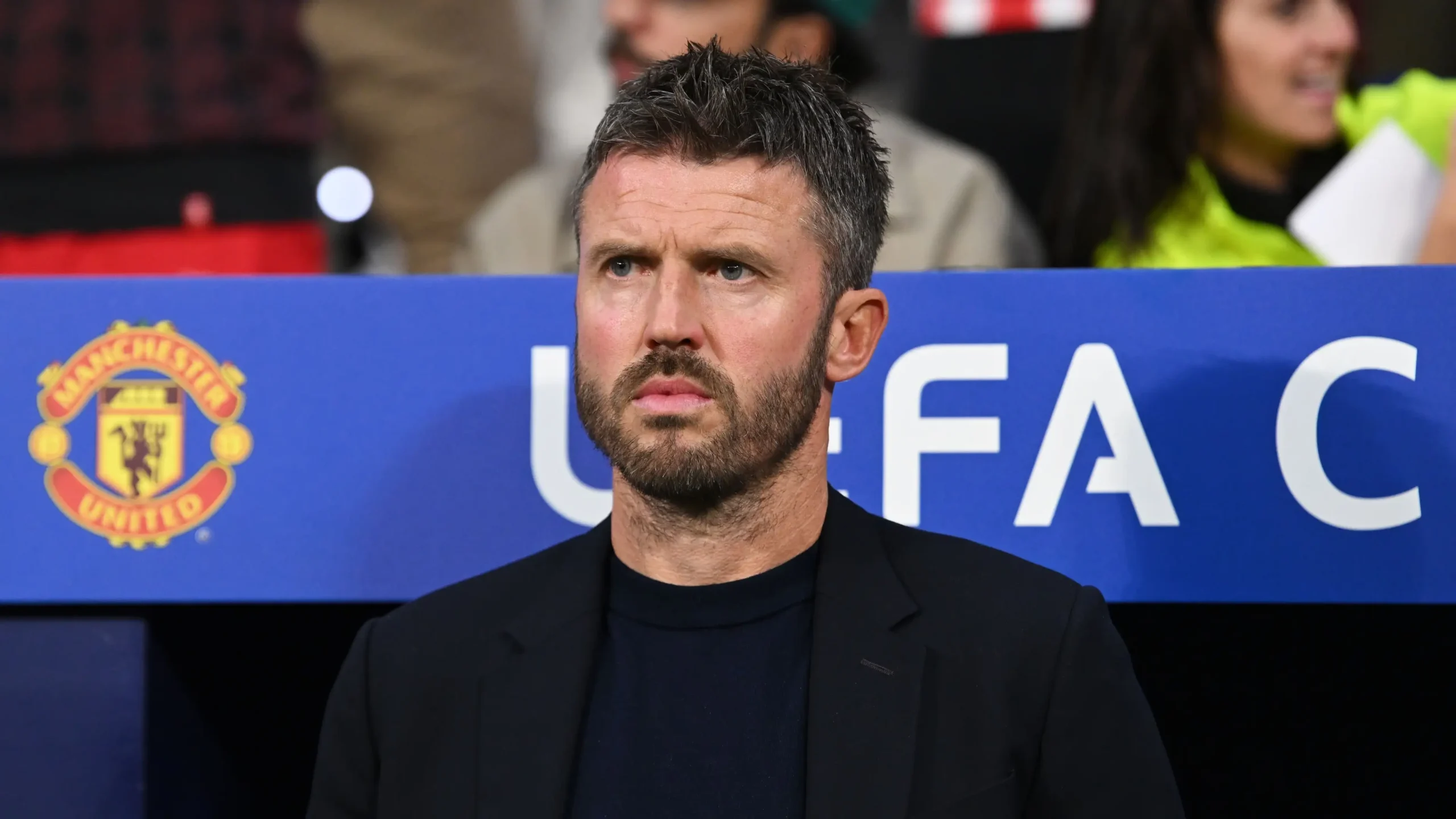
Manchester United’s poor start to the 2026/27 season has placed Michael Carrick under growing pressure, but the debate at Old Trafford is becoming bigger than the manager’s future. With United sitting 13th in the Premier League after winning just one of their first seven league matches, supporters are asking whether another managerial change would solve anything.
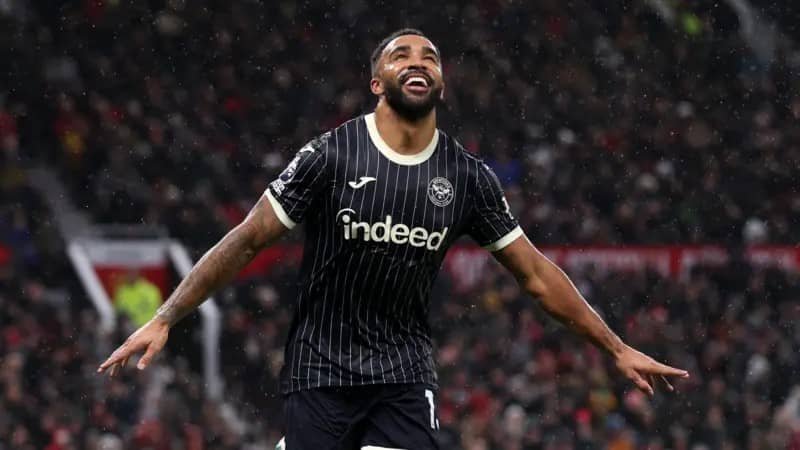
The latest setback was Sunday’s 1-1 draw against Leeds United on October 18. United took the lead through Bryan Mbeumo, but Dominic Calvert-Lewin equalised in the second half, extending the club’s winless run in all competitions to six matches.
Former Manchester United manager Erik ten Hag has now entered the debate, insisting that dismissing Carrick would not be the answer. His comments raise an important issue for a club that has repeatedly changed managers since Sir Alex Ferguson retired in 2013.
The central question is whether United have a coaching problem, a squad problem or a leadership problem. Carrick must improve results, but the club’s decision-makers also need to explain how they intend to build a team capable of competing consistently.
Why Is Michael Carrick Under Pressure at Manchester United?
Carrick’s current position is difficult because expectations at Manchester United remain high, regardless of the club’s recent struggles. A team of United’s size is expected to compete for European qualification, challenge for trophies and produce performances that reflect its resources.
Instead, the early weeks of the 2026/27 season have exposed familiar weaknesses. United have managed only one victory in their opening seven Premier League games, leaving them with seven points and in 13th place. Their winless run across all competitions has also reached six matches.
The draw against Leeds offered some encouragement. Carrick praised his players’ discipline and resilience, particularly their organisation under pressure. However, United struggled to maintain control after taking the lead and conceded from a set-piece situation, allowing Leeds to leave with a point.
That pattern is becoming a problem. United can produce promising spells without turning them into victories, and every missed opportunity increases the pressure on the manager.
Carrick also faces a difficult balancing act. He needs to make the team more effective in possession, improve its defensive organisation and find a reliable way to win matches. At the same time, he must maintain confidence among players and supporters while working with the squad available to him.
These are reasonable expectations for any Manchester United manager. But whether Carrick can meet them depends partly on the quality and balance of the team he has inherited.
Why Erik ten Hag Says Sacking Carrick Is Not the Answer
Ten Hag, who managed Manchester United before his dismissal in October 2024, has urged the club to resist making an emotional decision about Carrick.
Speaking in an interview with The Athletic, Ten Hag said: “It is not the solution to dismiss him. 100 per cent not.” He argued that the club should make a rational decision rather than respond to frustration after poor results.
His comments carry a degree of relevance because Ten Hag experienced the pressure of managing United himself. His tenure included trophy success, but inconsistent league performances and disagreements over the team’s direction eventually contributed to his departure.
Ten Hag’s argument is not that Carrick should escape criticism. Instead, he believes the club needs a clear strategy, competent leadership and enough time for a manager to implement his ideas.
That position deserves consideration because a change of manager does not automatically correct problems with recruitment, squad balance or long-term planning. A new coach may bring a different approach, but that approach can struggle if the underlying conditions remain unchanged.
There is also a practical question about timing. Removing Carrick now would require the club to identify a replacement, decide whether the current squad suits that person’s methods and potentially make further changes in January.
Those decisions could be justified if the club believes Carrick cannot deliver the required improvement. But making a change simply because supporters are angry would not, on its own, provide a convincing football strategy.
Manchester United’s Problems May Go Beyond the Dugout
One reason the debate has become more complicated is that questions are being raised about the club’s football leadership and recruitment decisions.
Defender Lisandro Martínez recently criticised the club’s leadership after United’s 2-0 Champions League defeat to Atlético Madrid. He questioned the quality of the squad and called for greater investment, directing particular criticism towards director of football Jason Wilcox. His remarks added to concerns about whether the team has been built to meet its ambitions.
The criticism matters because managers are judged on results, but they do not make every decision that shapes a squad. Recruitment determines which positions receive attention, how much competition exists for places and whether a coach has the players needed to carry out a particular system.
If a team has weaknesses in several positions, replacing the manager may only change how those weaknesses appear on the pitch. A new coach could improve some areas, but the club may still need additional players and a more coherent recruitment plan.
This is not an argument that Carrick has no responsibility. His tactical decisions, substitutions, training methods and ability to get the best out of his players must all be examined. A manager who cannot improve performances should face legitimate questions about his suitability for the job.
However, the same standard of accountability should apply to executives responsible for recruitment and the wider sporting strategy. If managers repeatedly arrive, struggle and leave while the same weaknesses return, the club must examine the decisions that connect those appointments.
The real test for Manchester United is whether its leadership can identify the causes of poor performances rather than simply respond to the latest result.
The Cost of Manchester United’s Repeated Managerial Changes
Since Ferguson’s retirement in 2013, Manchester United have experienced repeated changes in the dugout. David Moyes, Louis van Gaal, José Mourinho, Ole Gunnar Solskjær, Erik ten Hag and other permanent or interim appointments have each brought different approaches and expectations.
Some managers delivered trophies or periods of improvement. Others struggled to produce consistent results. Yet the club has continued to search for a stable identity capable of sustaining success over several seasons.
The problem with frequent changes is not simply the cost of dismissing and hiring managers. Each appointment can bring a different playing style, different recruitment priorities and different views about which players should remain in the squad.
Players recruited for one system may not suit the next. The club can end up spending money repeatedly to adjust to the preferences of successive managers rather than following a consistent plan.
This can create a cycle in which a new coach inherits an unbalanced squad, results fall short, pressure builds and another appointment follows. The incoming manager then begins another rebuilding process, while supporters wait for the club to return to the level they expect.
That does not mean a club should never dismiss a manager. Sometimes results, dressing-room problems or a clear lack of progress make a change necessary. Stability is useful only when the club has chosen the right person and provides the conditions needed to succeed.
Manchester United therefore need to distinguish between patience and indecision. Giving Carrick time makes sense only if the board has clear performance standards and a realistic plan for addressing the squad’s weaknesses.
What Must Carrick Fix Before January?
The immediate priority is to turn competitive performances into wins. United cannot afford to treat every improved display as evidence that progress is being made if the league table continues to show the same problems.
The first area is game management. Against Leeds, United scored first but failed to protect their advantage. Better control after taking the lead, more effective possession and greater concentration at set-pieces could help turn draws into victories.
The second is attacking consistency. United need to create chances more regularly and make better use of the opportunities they produce. Individual quality matters, but the team also needs clear attacking patterns that allow players to work together rather than depend on isolated moments.
Defensive organisation is another concern. Conceding after taking the lead suggests that the team must improve its ability to manage pressure and defend dangerous situations. Carrick’s staff will need to examine whether these problems come from positioning, communication, individual errors or a combination of factors.
Finally, Carrick must show that his tactical approach can work against different opponents. A more disciplined team is useful, but United need a balance between defensive structure and attacking threat.
The upcoming fixtures will provide an important test. United are due to face Como in the Champions League before returning to Premier League action against Bournemouth. The club will need to manage the demands of both competitions while trying to end its poor run.
The January transfer window could also become important. The board may consider strengthening the squad, but recruitment should address clearly identified weaknesses rather than serve as a reaction to public pressure. Adding players without a consistent plan could create more problems in the long term.
What Would Justify Keeping or Replacing Carrick?
Manchester United should judge Carrick against clear targets rather than make a decision based solely on his reputation or the frustration surrounding the club.
Keeping him would be easier to justify if performances become more consistent, the team shows tactical improvement and results begin to move United up the table. The board should also look at whether players understand their roles and whether the team is developing a recognisable style of play.
A decision to replace him would become more understandable if the same problems continue despite meaningful opportunities to correct them. Persistent tactical weaknesses, poor player development and a lack of progress would raise serious questions about whether Carrick is the right person to lead the team.
The club must also be honest about its own role. If recruitment has left the squad short in important areas, a new manager cannot be expected to solve every issue immediately. Equally, the board cannot use structural problems as an excuse to ignore poor coaching or repeated mistakes on matchdays.
Supporters deserve a clear explanation of what success should look like this season. That could include a target league position, improved performances against stronger opponents and measurable progress in areas where the team has struggled.
Without clear standards, the club risks returning to the same cycle of disappointment and managerial change.
Manchester United Need More Than a Quick Fix
Carrick is under pressure because Manchester United’s results have not matched expectations. Sitting 13th after one win in seven league games is a serious problem, and the manager must accept responsibility for improving the team’s performances.
But the club’s wider challenges cannot be separated from the debate over his future. Recruitment, squad balance, leadership and a consistent football strategy all influence what happens on the pitch.
Ten Hag’s warning is therefore worth considering, even if Carrick must still prove that he can turn the situation around. Sacking a manager can create an immediate sense of action, but it does not guarantee better results or a stronger long-term plan.
Manchester United now face a choice between reacting to every setback and establishing clear standards for everyone responsible for the club’s football decisions.
The coming weeks will show whether Carrick can begin to reverse the decline. Whatever the board decides, the bigger measure of success will be whether United stop repeating the same mistakes and build a team capable of competing consistently again.
One thought on “Manchester United Crisis: Is Michael Carrick Really the Problem?”