







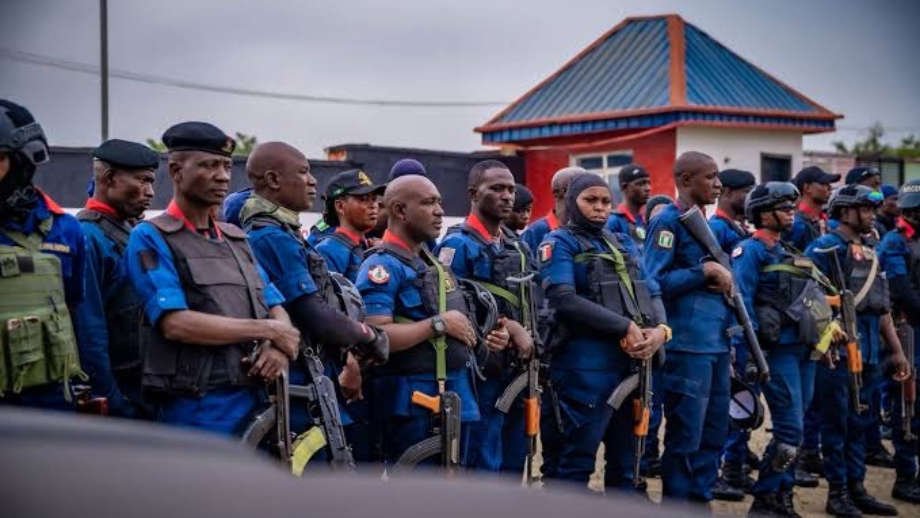
Nigeria is entering its 66th Independence Anniversary with a major security push in both the capital and the North-West. The Nigeria Independence Day security 2026 operation includes the deployment of 3,000 Nigeria Security and Civil Defence Corps personnel across Abuja, while the Nigerian Army has operationalised two new infantry battalions in Zamfara State.
The NSCDC deployment is focused on protecting public spaces and critical infrastructure before, during and after the October 1 celebrations. The Army’s move in Zamfara, meanwhile, comes as troops continue operations against banditry and other security threats in the North-West.
Why Abuja Is Getting 3,000 Security Personnel
The NSCDC 3000 personnel Abuja deployment covers areas expected to attract large numbers of people, including markets, shopping malls, motor parks, amusement centres and recreational locations.
The NSCDC has also activated specialised units, including its Counter-Terrorism Unit, CBRNE Unit, Arms Squad, Female Strike Force and Crack Squad. Undercover personnel have been assigned to intelligence gathering, while officers are monitoring uncompleted buildings and other locations identified as potential criminal hideouts.
The focus is therefore not only on the main Independence celebrations. Authorities are also trying to prevent criminal activity around places where large crowds and public movement could create security vulnerabilities.
Army Strengthens Presence In Zamfara
The Nigerian Army Zamfara security operations are taking place against a different backdrop. On September 28, the Army operationalised the 12 Infantry Battalion in Bakura and the 28 Infantry Battalion in Anka, both in Zamfara State.
The new formations are expected to increase the Army’s presence in areas affected by persistent bandit attacks and improve its ability to respond to threats. The move comes as Operation Fansan Yamma continues operations across the North-West.
The timing is significant because troops have recently rescued dozens of people during operations in Zamfara. On September 29, troops reportedly rescued 41 travellers after their commercial vehicle broke down along a highway in Tsafe Local Government Area, according to the Army.
Security Push Extends Beyond The Celebrations
The Army activates new battalions in Zamfara development suggests that the security response is not limited to Independence Day. While the Abuja deployment is tied directly to the anniversary, the new military formations are part of a longer effort to expand the Army’s operational footprint.
The Federal Government also approved an expansion of the Army’s structure from eight to 12 divisions in July, alongside plans to recruit 28,000 additional personnel. The stated objective is to improve operational effectiveness and strengthen responses to security threats.
For Abuja residents, the immediate expectation is a stronger security presence around public areas as October 1 approaches. In Zamfara, the bigger test will be whether additional military formations can improve response times and help reduce the freedom of movement of armed groups.
The two deployments show how Nigeria’s security agencies are preparing for different threats at the same time, from protecting Independence Day crowds in the capital to confronting persistent banditry in the North-West.