





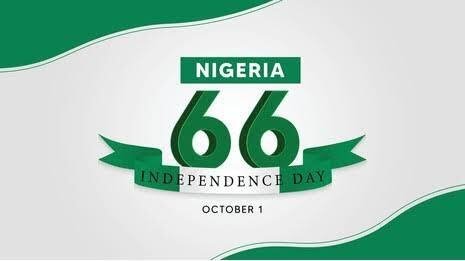
On October 1, 1960, Nigeria became an independent nation. Sixty-six years later, the country remains a work in progress, carrying the weight of its history while trying to build a better future. Nigeria has changed enormously since independence, but many of the questions that confronted the young nation remain relevant today: How can its enormous resources create prosperity for ordinary citizens? How can its diversity become a strength? And how can the talent of its people be matched by institutions that work?
Those questions are particularly important in 2026 because Nigeria’s story contains two realities that exist side by side. There is the Nigeria of rising living costs, insecurity, unreliable infrastructure, unemployment and poverty, where millions of people still struggle to meet basic needs. Then there is another Nigeria that fills international stages, builds technology companies, produces world-class athletes, exports music and films, trains respected medical professionals and continues to produce entrepreneurs who create opportunities even when the environment is difficult.
At 66, Nigeria’s story is therefore not simply one of failure or success. It is a story of enormous potential existing alongside enormous unfinished work. The country has achieved much since independence, but its greatest challenge remains turning those achievements into a better quality of life for the majority of its people.
Nigeria At 66: A Country Of Extraordinary Scale
Nigeria entered independence with considerable expectations. The country had a large population, agricultural wealth, mineral resources and an educated political class that had spent years demanding self-government. The decades that followed brought political upheaval, military coups, civil war, an oil boom, economic crises and, eventually, the return to democratic government in 1999.
The Nigeria of 2026 is significantly different from the Nigeria of 1960. It has grown into one of the world’s most populous countries and remains one of Africa’s largest economies, with a huge consumer market and a young population that gives it considerable economic potential. The World Bank says Nigeria’s economy grew by 4.2 percent in the first half of 2026, up from 3.9 percent a year earlier, although it also notes that growth remains insufficient to create enough productive jobs and reduce poverty significantly.
That scale matters because Nigeria is too large to be viewed simply as another African market. What happens in Lagos, Kano, Port Harcourt, Abuja, Onitsha or Ibadan can affect businesses, investors and communities far beyond those cities. Yet population size and economic scale have not automatically translated into prosperity, and that remains one of the country’s biggest contradictions.
The Economy Has Grown, But Living Standards Remain The Test
Nigeria has never lacked economic potential. Oil transformed the country’s finances after independence, while agriculture, manufacturing, telecommunications, financial services and technology later became increasingly important parts of the economy. The country is now attempting another economic transition as reforms reshape fuel pricing, foreign exchange management, public finances and domestic production.
There are signs of improvement at the macroeconomic level. The World Bank says Nigeria’s external and fiscal positions have strengthened, while gross reserves reached $51.9 billion at the end of July 2026. However, the same assessment makes an important distinction: economic stabilization has not yet translated fully into improved household incomes and living standards.
That distinction matters because GDP growth is only one measure of national progress. Economic growth becomes more meaningful when it produces jobs, affordable food, reliable transport, electricity, functioning hospitals, quality schools and businesses that can survive. Nigeria’s economic challenge at 66 is therefore not simply to grow, but to make growth productive and more widely felt.
Poverty Remains The Biggest Gap Between Promise And Reality
Perhaps the clearest contradiction in Nigeria’s independence story is that a country capable of producing global celebrities, billion-dollar companies and internationally respected professionals still has millions of citizens struggling with basic needs. The World Bank estimates that 50.8 percent of Nigerians, about 123 million people, lived in extreme poverty in 2025 under its lower poverty threshold. It also says more than 3.5 million people enter the labour force every year, creating enormous pressure on an economy that must continually generate new opportunities.
These figures put Nigeria’s achievements into perspective without erasing them. A Grammy award does not make food cheaper, while a successful fintech company does not automatically provide electricity to a rural community. National progress has to be measured not only by what the country’s most successful citizens can achieve, but also by what an ordinary Nigerian can reasonably expect from life.
This is why the next phase of Nigeria’s development will depend heavily on whether economic growth can become more inclusive. A country with a huge young population can gain enormously from its demographic strength, but only if those young people have access to education, skills, jobs, healthcare and capital.
The Electricity Problem Remains A National Burden
Few issues illustrate Nigeria’s development challenge better than electricity. For decades, unreliable power supply has forced households and businesses to spend additional money on generators, fuel, batteries, solar systems and other alternatives. The cost is not simply financial because unreliable electricity also affects productivity, education, healthcare and the ability of businesses to expand.
A small business that spends heavily on power has less money available to employ workers or invest in growth. A manufacturer facing high energy costs becomes less competitive, while a hospital cannot afford prolonged interruptions. Nigeria’s infrastructure challenge therefore reaches into almost every part of daily life.
Electricity is only one part of the wider infrastructure gap. Roads, railways, ports, water systems, sanitation and digital connectivity all influence how efficiently Nigerians can live and work. The country has made significant infrastructure investments since independence, but its size means that the gap remains substantial.
Yet Nigerian Entrepreneurs Refuse To Wait
One of the strongest reasons for optimism is Nigeria’s entrepreneurial culture. Nigerians have repeatedly created businesses in difficult environments, from small roadside enterprises to major corporations and from fashion brands to logistics companies, fintech startups and online businesses.
The technology sector is perhaps the clearest modern example. Nigeria has become one of Africa’s most important technology and fintech markets, with digital payments, mobile banking and financial technology changing how millions of people transfer money, receive payments and run businesses.
Companies such as Flutterwave, Paystack and Moniepoint have become part of a wider Nigerian technology story that has attracted international attention and investment. More importantly, the sector demonstrates what Nigerian talent can build when a large market, technology and entrepreneurial ambition come together.
The challenge is to create an environment where many more Nigerians can participate in that growth. Better infrastructure, predictable regulation, access to capital and stronger institutions would allow more businesses to move from survival to sustainable expansion.
Afrobeats Has Turned Nigerian Culture Into Global Currency
If there is one area where Nigeria’s global influence is difficult to dispute, it is music. Afrobeats has moved from Nigerian streets, clubs and radio stations to major international festivals, arenas and award ceremonies, with artists such as Wizkid, Davido, Burna Boy, Tems, Rema and Asake helping to take Nigerian music to audiences around the world.
The significance goes beyond awards and streaming numbers. Nigerian music now carries Nigerian identity across borders, allowing international audiences to hear stories about Lagos, relationships, family, ambition, nightlife, money and everyday life through Nigerian voices.
The industry has also created opportunities for producers, songwriters, managers, engineers, dancers, videographers, promoters and digital marketers. Afrobeats is therefore not simply entertainment. It has become an export, an industry and an important part of Nigeria’s soft power.
Nollywood Is Another Nigerian Export
The same story is unfolding in film. Nollywood has grown from a largely informal home-video industry into one of the world’s biggest film industries by output, while streaming platforms have made Nigerian films increasingly accessible to audiences outside Africa.
That growth has changed the way Nigerian stories travel. For years, African audiences consumed large amounts of foreign entertainment, but Nollywood created a major space for stories that Africans could recognize as their own.
The industry still faces serious problems. Production financing remains difficult, infrastructure is uneven, while piracy, distribution challenges and inconsistent monetisation continue to affect filmmakers. Yet the achievement remains significant because Nigeria built a global entertainment industry without waiting for perfect infrastructure.
Literature Gave Nigeria A Voice Before Afrobeats Did
Nigeria’s cultural influence did not begin with streaming platforms. Long before Afrobeats became a global phenomenon, Nigerian writers were introducing international audiences to Nigerian society, history, politics and culture.
Chinua Achebe’s Things Fall Apart became one of the most influential African novels of the 20th century, giving international readers a powerful account of Igbo society and the disruption caused by colonialism. Wole Soyinka later became the first African writer to receive the Nobel Prize in Literature in 1986.
Their achievements demonstrate that Nigerian soft power has been developing for generations. The difference today is that technology allows Nigerian creativity to reach global audiences almost instantly, whether through a novel, a film, a song or a social media post.
Sport Has Given Nigerians Moments Of Shared Pride
Sport has also provided some of Nigeria’s most memorable moments of national unity. Football remains the clearest example, with the Super Eagles’ history including Africa Cup of Nations victories and the country’s famous 1996 Olympic football gold medal.
The Super Falcons have built one of the strongest women’s football records in Africa, while Nigerian athletes have also produced world-class performances. Tobi Amusan’s world record in the women’s 100 metres hurdles in 2022 placed a Nigerian athlete at the centre of global athletics, while Ese Brume and other Nigerian athletes have continued to compete at major international championships.
These achievements matter because sport can provide something politics often struggles to provide: a moment when millions of Nigerians identify with the same flag. When a Nigerian athlete stands on a global podium or a national team wins an important match, the celebration can cross ethnic, religious and regional boundaries.
Nigeria’s Medical Influence Is Less Visible, But Important
Nigeria’s contribution to the world is not limited to entertainment and sport. Nigerian doctors, nurses, pharmacists, scientists and public health professionals work across Africa, Europe, North America and other parts of the world, contributing to healthcare systems and medical research.
This creates a complicated story. On one hand, the international reputation of Nigerian medical professionals demonstrates the strength of the country’s human capital. On the other hand, the migration of skilled workers can leave serious gaps at home.
The World Health Organization has identified health worker migration as a major challenge for Nigeria. That makes the country’s medical story both an achievement and a warning: Nigeria is capable of producing professionals the world wants, but it must also create conditions that make more of them willing and able to build their careers at home.
There are also reasons for optimism in local health innovation. In 2025, the World Health Organization and the Medicines Patent Pool announced a sublicensing agreement involving Nigerian health technology company Codix Bio to develop and manufacture rapid diagnostic tests locally. Such developments show what can happen when Nigerian expertise, local manufacturing and international partnerships come together.
The Brain Drain Is A Warning, Not Just A Migration Story
The movement of Nigerians abroad is one of the most complicated features of the country’s 66-year journey. Every year, talented Nigerians leave for better salaries, stronger institutions, safer environments, more reliable infrastructure or wider professional opportunities.
Some leave temporarily, while others settle permanently. Many, however, maintain strong connections with Nigeria by sending money home, investing in businesses, supporting families or returning with skills and capital.
The diaspora is therefore not simply a loss. It can be an economic and human capital asset, but the scale of migration also says something about conditions inside the country. People generally move when they believe another place offers better opportunities, and Nigeria’s challenge is to make staying, returning and investing attractive choices.
Politics Has Been One Of Nigeria’s Greatest Tests
Nigeria’s political history has been turbulent. The country moved from parliamentary government at independence through coups, civil war and prolonged periods of military rule before returning to democratic government in 1999.
The Fourth Republic has now lasted more than 25 years, and that continuity is significant. Nigeria has held multiple presidential elections and experienced transfers of power between political parties, while political competition remains intense.
At the same time, serious questions continue to shape public debate around corruption, electoral trust, institutional independence, insecurity, accountability and the effectiveness of government services. The existence of elections does not automatically solve these problems because democracy also depends on institutions that citizens can trust and public systems that deliver.
Nigeria’s political journey therefore represents both an achievement and unfinished work. The country has demonstrated an ability to sustain democratic government, but the quality of that democracy will continue to depend on how effectively institutions serve citizens.
Security Has Changed The Meaning Of Everyday Life
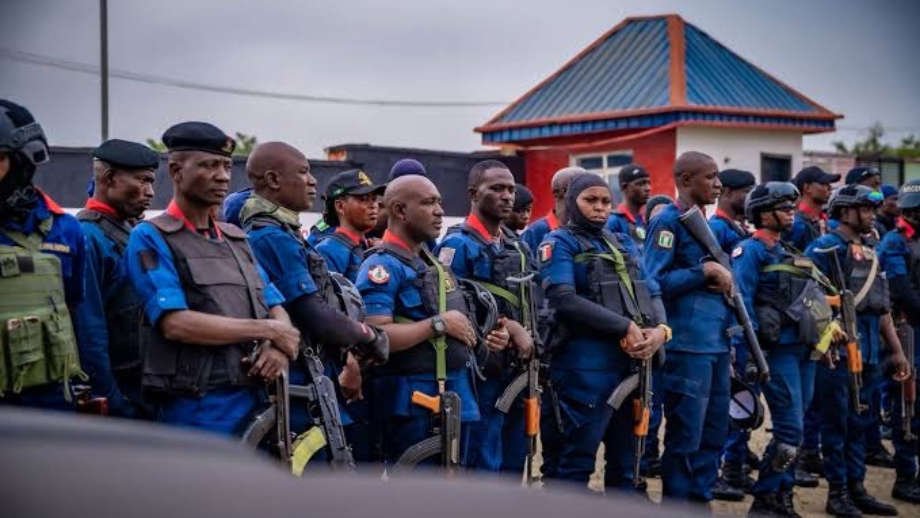
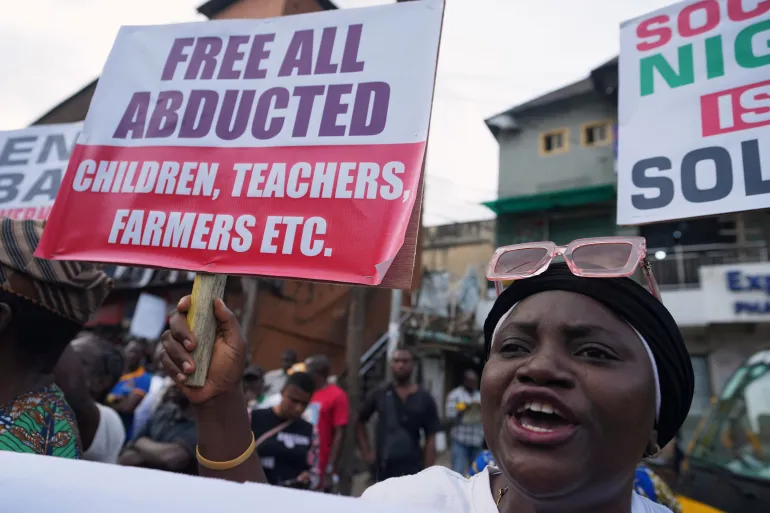
Nigeria’s security challenges have become one of the country’s most painful realities. Insurgency in the northeast, banditry and kidnapping in parts of the northwest, communal violence and separatist tensions in other areas have affected millions of Nigerians.
The cost is not measured only in lives. Insecurity disrupts farming, education, transport, investment and local businesses, creating an economic burden that extends well beyond the immediate victims.
A farmer who cannot safely reach a farm cannot produce at full capacity. A child who cannot safely attend school loses opportunities, while a business operating in an insecure area faces higher costs and greater uncertainty.
The security question is therefore also an economic question. Nigeria cannot fully unlock its productive potential while large parts of its population remain exposed to insecurity.
Infrastructure Is Where Potential Meets Reality
Nigeria’s infrastructure story is mixed. There are major highways, airports, rail projects, bridges, telecommunications networks, ports and urban developments that did not exist at independence, but there are also communities where basic infrastructure remains inadequate.
This matters because infrastructure determines how efficiently people can live and work. Good roads connect farmers to markets, reliable electricity helps businesses grow, functional water systems improve health, while effective transport networks make cities and industries more productive.
The challenge is not simply to announce new projects. Nigeria also has to complete projects, maintain existing infrastructure and ensure that investment reaches communities beyond the biggest economic centres.
The Nigerian Character Is Part Of The Story
There is another achievement that cannot easily be measured: resilience. Nigerians have developed a remarkable ability to adapt, create businesses when formal employment is scarce, learn new skills online, support families abroad and build new industries with limited resources.
This resilience is often celebrated, and rightly so. But resilience should not become an excuse for poor systems because citizens should not have to be extraordinarily resourceful simply to access ordinary public services.
The goal should be to combine Nigerian resilience with Nigerian institutions that work. The country has already shown what its people can accomplish under difficult conditions, and stronger systems could make that ability even more productive.
Nigeria’s Greatest Asset May Still Be Its People
Nigeria’s natural resources remain important. Oil and gas continue to matter, while agriculture, minerals, manufacturing, technology and the country’s huge consumer market all provide opportunities for future growth.
But the country’s most valuable long-term asset may still be its people. The World Bank estimates that about 3.5 million people enter Nigeria’s labour force every year, which means the country has a rapidly expanding pool of potential workers, entrepreneurs and professionals.
That can become either an enormous advantage or an enormous pressure. If young Nigerians receive quality education, useful skills, healthcare and access to capital, the population can become a powerful engine of economic growth. If those opportunities remain limited, population growth can deepen unemployment, poverty and migration pressures.
This is why education is not simply a social issue. It is an economic strategy.
What Nigeria Has Proved In 66 Years
Nigeria has already proved several things. It has proved that a country can survive political crises and still return to democratic government, that Nigerian creativity can become a global business and that a Nigerian artist can compete for the biggest international music awards.
It has proved that Nigerian filmmakers can build an industry that reaches millions of people, that entrepreneurs can create technology companies that attract international capital and that Nigerian writers can become global literary figures. It has also proved that Nigerian athletes and medical professionals can make important contributions far beyond the country’s borders.
Most importantly, ordinary Nigerians have continued building even when the systems around them have been difficult. Farmers, teachers, engineers, nurses, traders, designers, programmers, artisans and small-business owners keep the country moving every day.
That is part of Nigeria’s soft power too. The world does not encounter Nigeria only through its government; it encounters Nigeria through the people who carry its culture, skills, creativity and stories into other countries.
At 66, Pride And Criticism Can Exist Together
There is sometimes pressure to choose between celebrating Nigeria and criticizing Nigeria. There is no reason to do so.
A person can be proud of Nigerian music and still demand better electricity. A Nigerian can celebrate Nollywood while demanding stronger institutions, and admire Nigerian entrepreneurs while asking why so many businesses struggle with infrastructure, regulation and access to capital.
We can celebrate Nigerian doctors working abroad while asking why the country continues to lose so many skilled health workers. We can cheer the Super Eagles and Super Falcons while also demanding better sports administration.
Patriotism does not require pretending that problems do not exist. A country worth being proud of is also a country worth demanding more from.
The Next 34 Years Matter
Nigeria is now 66. By the time the country reaches 100 in 2060, today’s children will be the leaders, professionals, entrepreneurs, parents and decision-makers shaping the country.
The decisions being made now will influence what that Nigeria looks like. Will the country transform its energy system? Will Nigerian cities have reliable transport and infrastructure? Will schools produce graduates prepared for a changing global economy?
Will healthcare workers be able to build rewarding careers at home? Will Nigeria’s technology companies become global giants? Will Nollywood and Afrobeats continue to grow into industries that employ millions?
Will Nigerian agriculture feed a much larger population while creating wealth for farmers? Will democratic institutions become stronger? Will insecurity decline enough for every region to participate fully in economic life?
These questions are more important than the celebrations of any single Independence Day because they speak directly to the country Nigeria will become.
Nigeria At 66: Still Becoming
Nigeria’s independence story cannot be reduced to a simple sentence. It is not the story of a country that failed, but neither is it the story of a country that has fulfilled its promise.
It is the story of a country that has achieved extraordinary things while leaving extraordinary amounts of work unfinished. Its global reputation today is carried by people who may never appear in government statistics: the musician performing to thousands abroad, the filmmaker telling Nigerian stories to international audiences, the entrepreneur building a company from Lagos, the doctor treating patients overseas, the scientist developing a new solution and the athlete carrying the green and white onto a world stage.
The same is true of the teacher, farmer, engineer, nurse, designer, programmer, trader and small-business owner who keeps Nigeria moving every day. They are evidence of what Nigeria can become if its institutions and infrastructure can catch up with the ability of its people.
On October 1, 1960, Nigeria began its journey as an independent country. On October 1, 2026, the country turns 66, with plenty to celebrate and plenty to fix.
Both statements are true.
Nigeria’s story is still being written, and perhaps that is the most honest way to approach independence at 66. Not with blind celebration and not with endless pessimism, but with a clear understanding of what has been achieved, an honest look at what has gone wrong and a determination to build a country where the extraordinary talent of its people is matched by the quality of the systems around them.
That is the Nigeria worth celebrating. And that is the Nigeria still worth building.