







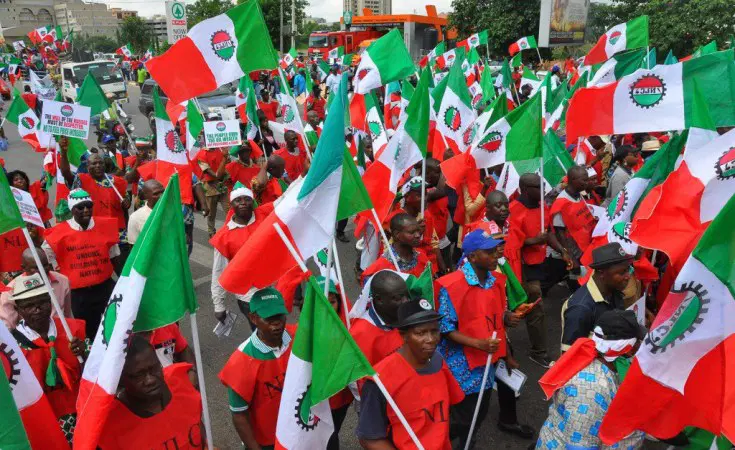
Public service workers across Nigeria have begun a three-day nationwide warning strike over rising living costs, high petrol prices and concerns about workers’ purchasing power. The action, organised by the Joint National Public Service Negotiating Council (JNPSNC), started on Friday, October 2, 2026, and is scheduled to run until Sunday, October 4.
The strike comes as the gap between workers’ wages and the cost of daily living continues to dominate public debate. The council says the government has not adequately responded to demands submitted on September 21, including measures to reduce the pressure created by petrol prices and begin discussions on a new minimum wage ahead of 2027.
Why Nigerian Workers Are On Strike
The JNPSNC says the Nigeria workers warning strike is driven by what it describes as worsening economic and mental hardship among workers and their dependants. The council has called for petrol to be reduced to ₦500 per litre, an immediate wage award and the establishment of a tripartite committee to negotiate a new national minimum wage.
The demands show that the dispute is about more than salaries. Higher transport costs, food prices and other household expenses have reduced the purchasing power of workers, making the current ₦70,000 minimum wage a major point of concern.
What The Strike Could Mean For Public Services
The three-day warning strike in Nigeria could affect government offices and public services at federal, state and local government levels. The JNPSNC directed public servants across the three tiers of government to participate, although the extent of disruption could vary between institutions and locations.
The timing also gives the action added significance because the council is seeking negotiations ahead of 2027. Rather than treating the strike only as a short-term protest, the workers’ demands point to a wider dispute over how wages should respond to the changing cost of living.
What Happens After October 4?
The immediate focus will be on whether the Federal Government engages the workers during or after the warning strike. The council has already indicated that it wants concrete action on petrol prices, wage support and negotiations for a new minimum wage.
For the government, the challenge is balancing workers’ demands with existing fiscal pressures. For employees, the issue is whether the current wage structure can continue to provide enough purchasing power as living costs remain high.