




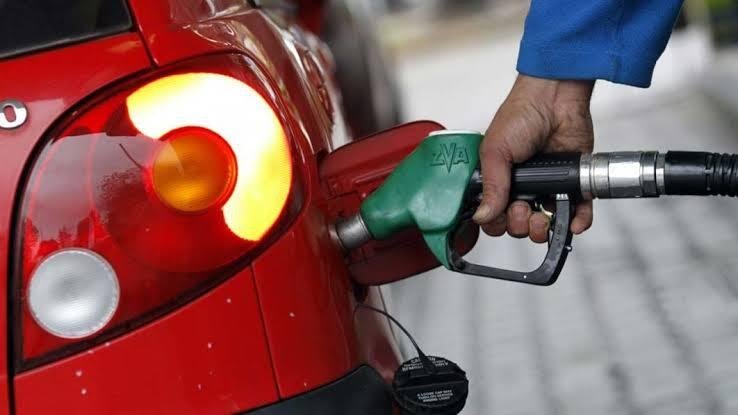
The Nigeria fuel price crisis 2026 has moved into a new phase as public sector workers threaten October 2 strike to last three days, while presidential candidate Peter Obi has pledged to restore petrol subsidy if elected in 2027.
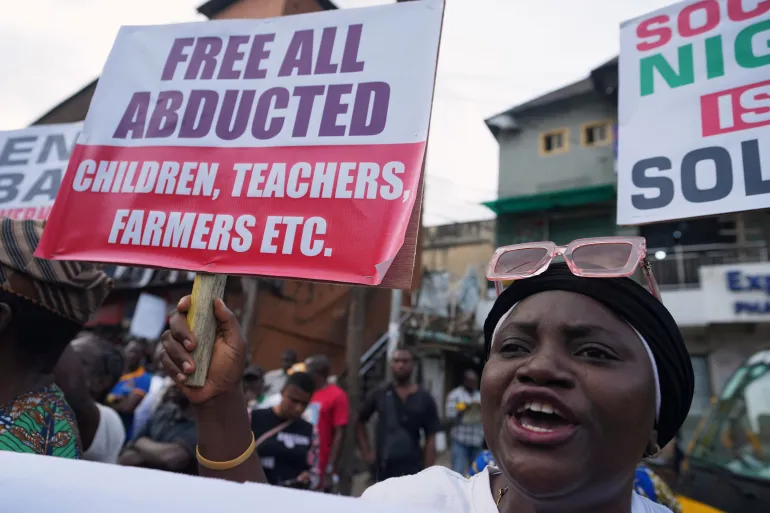
The Joint National Public Service Negotiating Council (JNPSNC) has given the Federal Government until September 30 to respond to its demands, which include reducing petrol to N500 per litre, approving a wage award and beginning negotiations for a new national minimum wage ahead of 2027.
Why Workers Are Threatening An October 2 Strike
The JNPSNC strike over fuel price is being driven by concerns over the effect of expensive petrol on workers’ purchasing power. The council said petrol is selling for between N1,450 and N2,000 in many areas, with prices reaching N2,500 in some locations outside major cities.
The unions want the government to intervene in fuel costs, including by supporting domestic refiners and ensuring crude is supplied to the Dangote Refinery and modular refineries on terms that can help reduce petrol prices.
They are also asking for an immediate wage award and a committee to begin negotiations for the new national minimum wage expected to become due in 2027. If the government does not address the demands by September 30, the council says public servants will begin the warning strike on Friday, October 2.
Peter Obi Pledges To Restore Petrol Subsidy
The dispute comes as the Nigeria petrol subsidy debate 2026 enters the political conversation ahead of the 2027 election.
Peter Obi said on September 28 that he would reinstate petrol subsidy if elected, after first tackling corruption. His latest position represents a change from comments he made in August, when he argued that subsidy removal should remain in place and that poor management of its proceeds was not sufficient reason to reverse the policy.
The pledge therefore places fuel pricing and subsidy policy among the economic issues likely to receive greater attention as the 2027 election approaches.
What Happens If The Deadline Passes?
The immediate issue is whether the Federal Government and the JNPSNC can reach an agreement before the September 30 deadline.
A strike would come just before Nigeria’s Independence Day celebrations and could affect public services if it goes ahead. At the same time, the disagreement highlights a broader problem: workers are demanding immediate relief from high living costs, while the debate over how petrol should be priced continues to shape Nigeria’s economic and political discussions.
For now, October 2 is the key date to watch. The government’s response to the workers’ demands could determine whether the planned action goes ahead.