










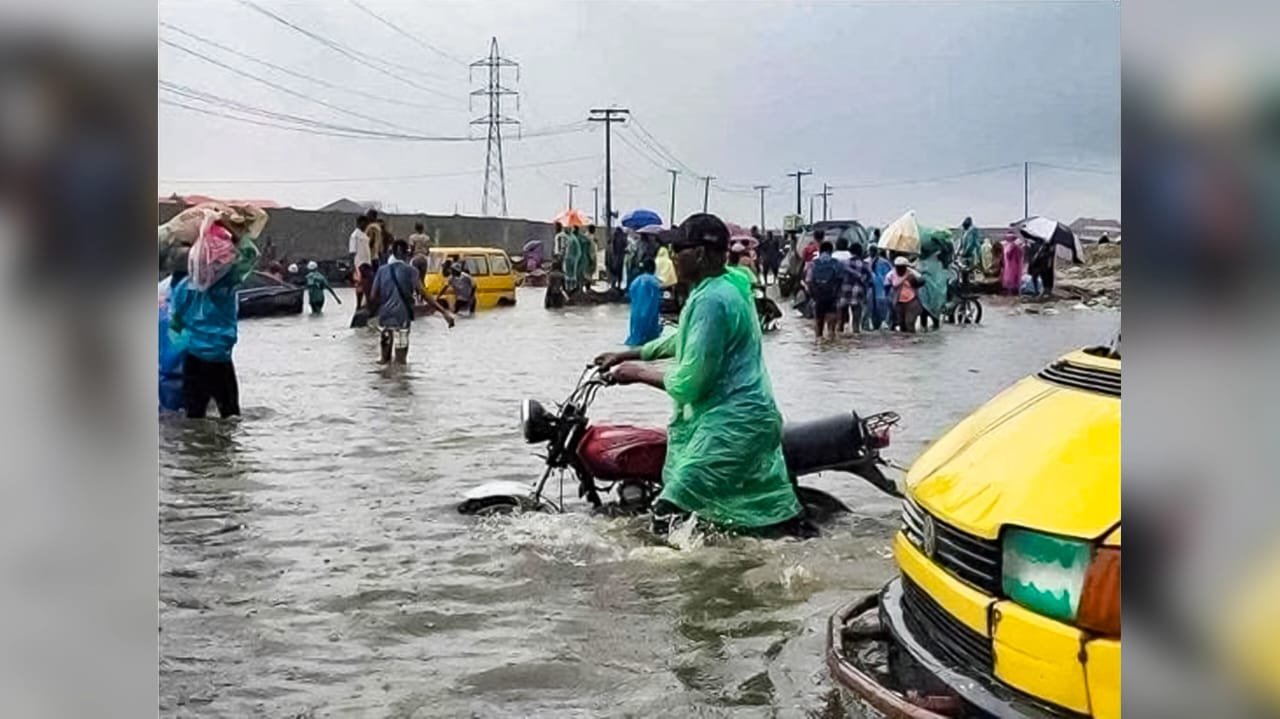
Abuja’s latest flooding has exposed a problem that goes beyond blocked drains. Senator Ireti Kingibe says the capital is gradually losing the very spaces designed to carry away excess water, as buildings and other developments spread into green areas, gullies, flood channels and flood plains.
Speaking on ARISE News, Kingibe blamed developments approved under the current FCT administration for worsening the city’s flood risk. She said she had repeatedly raised concerns with FCT agencies but had seen little progress.
Her argument is simple: if Abuja keeps building over the places where rainwater is supposed to flow, bigger drains alone may not solve the problem.
Abuja Was Designed With Water Flow in Mind
Abuja was planned as a modern capital with designated green areas and natural drainage routes. But rapid growth has put enormous pressure on that plan.
Kingibe specifically mentioned areas including Wuse Zone 6, Asokoro and Jabi, where she claims some flood channels, gullies and green spaces have been built on or restricted.
She also pointed to a residential development around a sewage line in Wuse Zone 6 and said some channels have become narrower because of development.
When heavy rain falls, water needs somewhere to go. If those natural routes have been blocked, the water simply moves towards roads, homes and businesses.
This Is Also a Fight Over Who Controls Abuja’s Growth
The flooding has brought an existing political disagreement between Kingibe and FCT Minister Nyesom Wike into sharper focus.
Kingibe said her complaints about Abuja’s green areas and flood risks started before her current disagreements with Wike. She has called on FCT agencies to explain both the immediate and long-term measures they intend to take.
The FCT administration, however, has argued that Abuja’s flooding problem existed before Wike’s tenure. It has pointed to rapid population growth, inadequate infrastructure, blocked drainage systems and poor waste disposal as contributing factors.
That distinction matters. Blaming one administration may satisfy the political argument, but Abuja’s flooding has developed over years of urban expansion and planning decisions.
The Real Test Is What Happens Before the Next Heavy Rain
Kingibe has called for immediate clearing of rubbish and drains, but she also wants authorities to look at the problem more broadly. That could mean reviewing developments on flood plains, restoring blocked waterways and enforcing Abuja’s original planning rules.
The Guardian has also reported flooding across several parts of the capital, including Wuse 2, Katampe, Mabushi, Lugbe, Nyanya, Gwarimpa, Asokoro, Maitama, Utako, Wuye and Gudu.
This makes the issue difficult to dismiss as an isolated problem in one neighborhood. The bigger danger is that Abuja could become trapped in a cycle where authorities clear drains after every major flood, residents clean up damaged properties, and construction continues in areas that should remain open.
The real question for Abuja is therefore not just how to drain today’s flood. It is whether the city is willing to stop building over the spaces that protect it from tomorrow’s flood.
One thought on “Abuja’s Flood Problem May Be Bigger Than Bad Drainage”