







Nigeria’s latest petrol price debate has shifted from whether President Bola Tinubu should reduce fuel prices to a more fundamental question: how much control does the Federal Government actually have over the pump price?
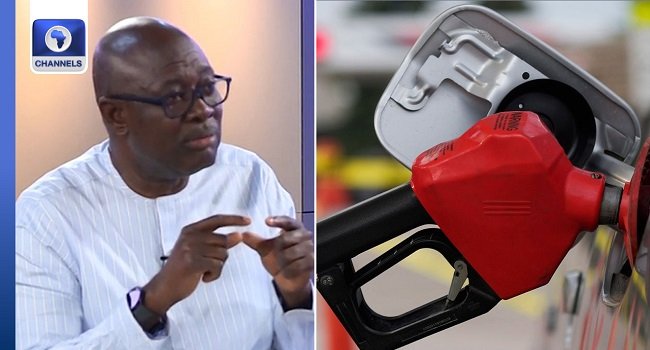
Minister of State for Petroleum Resources, Heineken Lokpobiri, said on Tuesday, September 22, that the Tinubu administration cannot directly increase or reduce petrol prices because Nigeria’s downstream petroleum market is fully deregulated.
Speaking on Channels Television’s Politics Today, Lokpobiri said petrol prices are now determined by global market forces and that directly cutting prices would require a return to fuel subsidies.
What Deregulation Changed
Under the deregulated system, petrol is no longer sold at a government-controlled price. The cost is influenced by factors including crude oil prices, refining costs, transportation, exchange rates and competition among fuel suppliers.
The Nigerian Midstream and Downstream Petroleum Regulatory Authority has pointed to Section 205 of the Petroleum Industry Act, which provides for unrestricted free-market pricing of petroleum products. The regulator says it does not set pump prices under normal market conditions.
That means a fall in global crude prices does not automatically translate into an immediate fall at Nigerian filling stations either. Refiners and marketers may still be dealing with earlier crude purchases, logistics costs and other expenses. NMDPRA has previously identified crude sourcing, transportation and domestic refining arrangements among the factors behind petrol price volatility.
Why Fuel Prices Are Still a Political Issue
Although the government says it does not control the price, Nigerians still expect the Federal Government to respond when petrol becomes more expensive.
That is because fuel prices affect almost every part of the economy. Higher petrol costs can increase transport fares, food distribution expenses and operating costs for businesses, putting additional pressure on household incomes.
Recent prices have climbed sharply, with petrol selling around ₦1,400 per litre in Lagos and Abuja and reaching about ₦1,500 in parts of northern Nigeria. Reuters linked the latest increase partly to higher global oil prices caused by tensions in the Middle East.
This creates a difficult policy position for the government. It can defend deregulation as a market reform, but it still faces pressure to reduce the effect of higher fuel costs on Nigerians.
Deregulation Does Not Mean No Government Role
Lokpobiri’s comments do not mean the government has no role in the downstream market.
NMDPRA has said deregulation does not allow companies to engage in price-fixing, market abuse or profiteering. The regulator says it can intervene where there is evidence of anti-competitive conduct and has been working with the Federal Competition and Consumer Protection Commission on market surveillance.
The Federal Government has also previously warned marketers to reflect lower international crude prices in domestic petrol prices and said it would not tolerate profiteering.
The distinction is therefore important. Government may not set the normal pump price, but it still regulates the market in which that price is determined.
What Nigerians Should Watch Next
The immediate test will be whether petrol prices begin to ease if global oil prices fall and whether competition among local refiners and marketers passes those savings to consumers.
The Dangote refinery has increased domestic refining capacity, but the minister argues that local refining does not automatically mean cheaper petrol because crude remains a globally traded commodity.
For Nigerians, the bigger issue is whether deregulation eventually produces a more competitive and reliable fuel market while other policies address the cost-of-living pressure created by price volatility.
For now, the government’s position is clear: bringing petrol prices down through direct intervention would mean changing the rules of the deregulated market or returning to some form of subsidy.


One thought on “Why Tinubu Cannot Set Petrol Prices Under Nigeria’s Deregulated Fuel Market”