










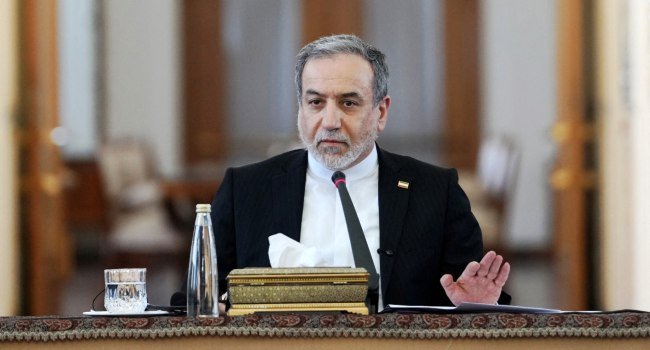
Iran has rejected direct diplomatic talks with the United States after President Donald Trump said Washington was open to resuming negotiations. The latest exchange shows how far apart the two sides remain even as the wider Middle East crisis continues to threaten energy supplies and shipping routes.
Iranian security chief Mohsen Rezaei said there would be no talks until Iran’s conditions are met. His comments came after Trump said Iran wanted a deal and that the United States remained open to discussions.
Why Iran Is Rejecting US Talks
The dispute is not simply about whether the two countries should meet. Tehran wants conditions surrounding the conflict and US pressure campaign addressed before returning to negotiations.
Iran has previously said Washington must end what it considers violations of agreements and has demanded changes to sanctions and other restrictions. Tehran has also used Oman as an intermediary in discussions over the Strait of Hormuz, rather than entering direct negotiations with Washington.
That makes the latest rejection important. It suggests that Trump’s public statements about possible negotiations are not enough to restart diplomacy.
Strait of Hormuz Makes the Dispute Bigger
The Strait of Hormuz crisis has turned the diplomatic dispute into a global economic issue. The waterway normally carries a major share of the world’s oil and liquefied natural gas shipments. Recent conflict has sharply reduced shipping activity, while diplomatic efforts involving Iran and Gulf countries have also stalled.
Oil prices have responded to the uncertainty, with Brent recently moving above $108 a barrel after Iran again rejected dialogue with Washington.
What Happens Next?
The immediate question is whether indirect diplomacy can keep the door open while direct US-Iran talks remain off the table.
Regional countries also have a strong interest in preventing further escalation. Saudi Arabia and other Gulf states are already dealing with attacks linked to the wider conflict, while disruptions around Hormuz and the Red Sea are putting additional pressure on global trade.
For now, Iran refusing talks with the United States leaves Trump facing a difficult choice. Washington can continue applying military and economic pressure, or work through intermediaries to create conditions for negotiations.
Either way, the longer diplomacy remains stalled, the greater the risk that the conflict will continue affecting oil prices, shipping and the wider global economy.

One thought on “Iran Rejects US Talks as Trump Pushes Diplomacy Amid Rising Middle East Tensions”