









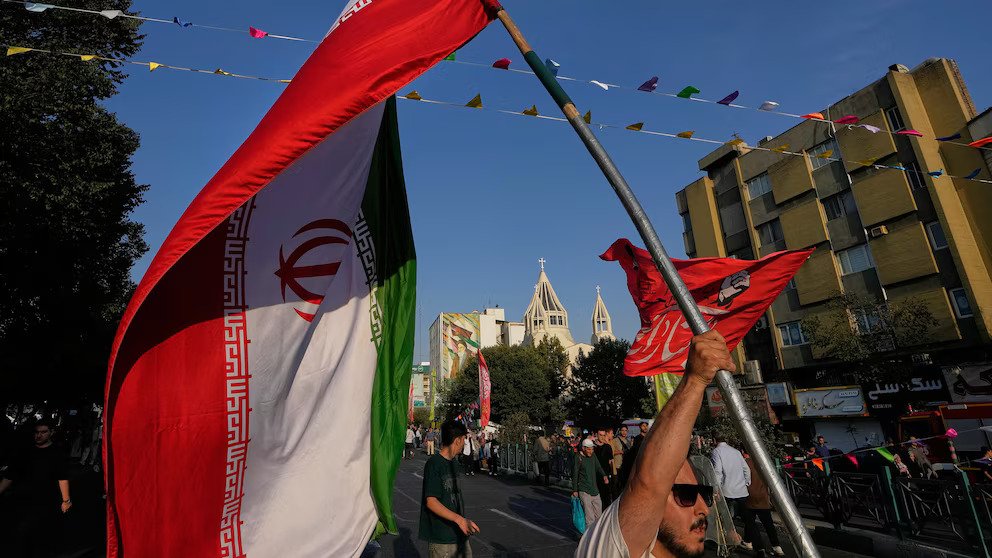
The US-Iran conflict has entered a dangerous new phase after the two countries exchanged military strikes for the first time in about a month. The latest escalation has raised fresh concerns that a conflict that had briefly slowed could return to full-scale fighting.
The immediate flashpoint is not only the strikes themselves. It is the Strait of Hormuz, one of the world’s most important routes for oil shipments.
Why the US Iran Strikes Happened
US forces struck two Iranian rocket launchers on Larak Island in the Strait of Hormuz on Sunday. The US Central Command said the launchers were linked to Iranian forces preparing to deploy sea mines, which could threaten commercial shipping through the strategic waterway.
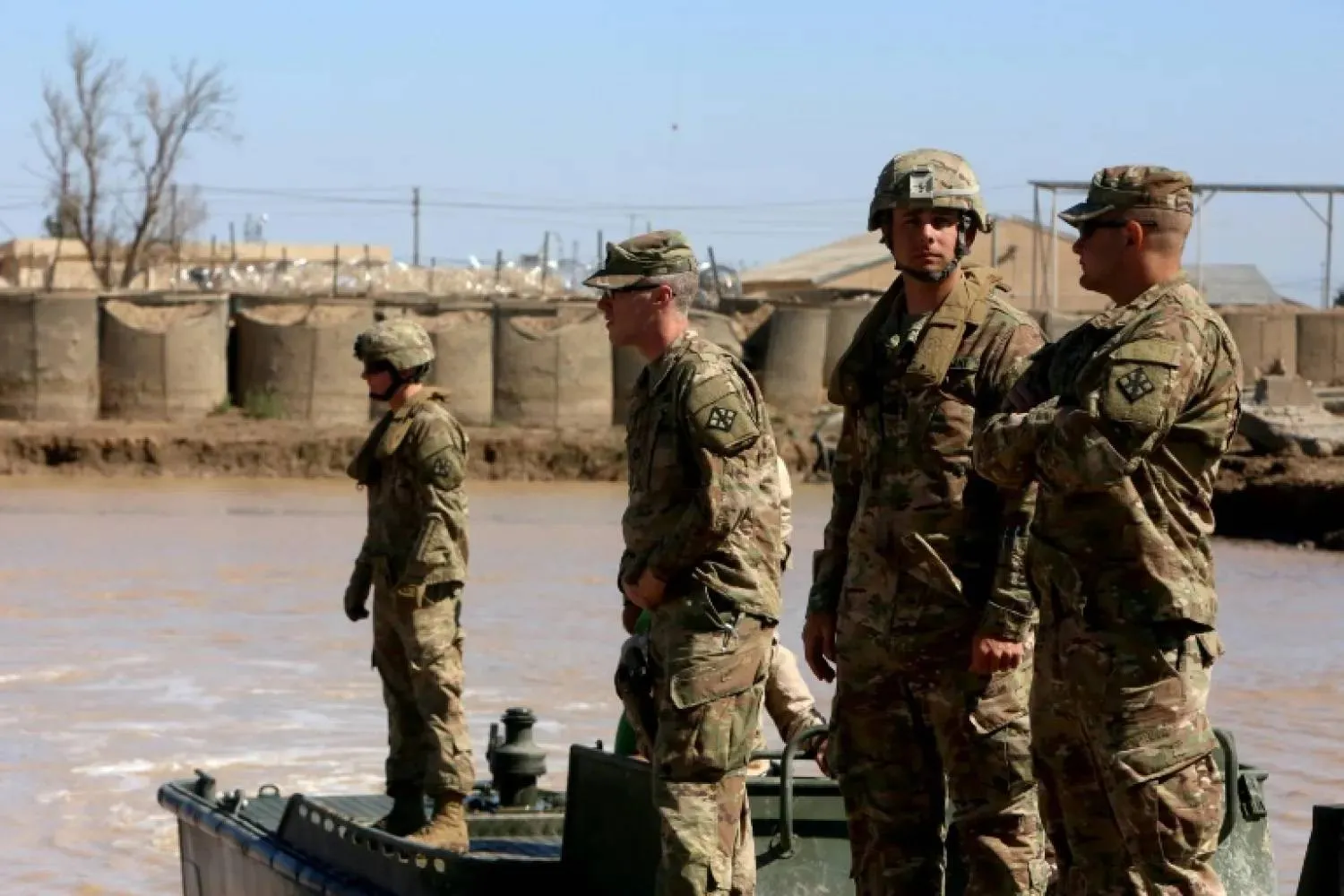
The attack marked the first publicly confirmed US military action against Iran in weeks. Tehran quickly responded with missile attacks on US military bases in Jordan, turning a limited US operation into a wider US-Iran military tensions crisis.
Why the Strait of Hormuz Matters
The Strait of Hormuz is now at the centre of the confrontation because any serious disruption could affect global energy markets. Shipping through the waterway has already fallen sharply during the conflict, while concerns over mines and attacks on vessels continue to discourage normal tanker traffic.
That could make the latest Iran retaliation much more important than the number of missiles or launchers involved. If commercial shipping is further restricted, oil prices could rise again, putting pressure on economies already dealing with higher energy and transport costs.
Recent market reaction shows the risk. Brent crude rose above $90 a barrel after the latest US strike, while US stocks fell as investors assessed the possibility of further escalation.
What Happens Next?
The biggest question surrounding the US-Iran latest developments is whether both sides will keep the confrontation limited or answer each new attack with a larger one.
US President Donald Trump has already warned that Washington will respond strongly to Iranian attacks. At the same time, Iranian President Masoud Pezeshkian has said Tehran is prepared to defend itself while remaining open to a negotiated solution.
For now, diplomacy remains possible, but the latest US-Iran strikes show how quickly the situation can deteriorate.


5 thoughts on “US-Iran Strikes: Why the Latest Military Exchange Could Put the Strait of Hormuz at Risk Again”