








Saudi Arabia is seeking air-defense assistance from France, Britain, Pakistan and Egypt as its supply of missile interceptors comes under pressure from renewed Houthi attacks from Yemen.
The kingdom is particularly concerned about protecting military facilities, government buildings and oil infrastructure as the Houthis expand their activity along Yemen’s Red Sea coast. Saudi officials have also been seeking diplomatic support from regional partners as the conflict spreads across the wider Middle East.
The requests reportedly include Patriot systems and other air-defense support. However, no country has publicly committed to sending the requested military equipment so far. Egypt and Oman are instead involved in diplomatic efforts aimed at reducing the fighting.
Why the Patriot Shortage Matters
The biggest problem is not simply the number of attacks. It is the number of interceptors required to stop them.
Saudi Arabia has relied heavily on US-made Patriot systems for years to defend against missiles and drones launched from Yemen. But the six-month US conflict with Iran has also placed heavy pressure on American interceptor stocks, making it harder for Washington to quickly supply allies with additional missiles.
That leaves Saudi Arabia facing a difficult security calculation. A country with a huge territory, major oil facilities and important cities cannot easily protect every potential target when each incoming threat can require an expensive interceptor.
The shortage therefore turns air defense into a question of how long a country can sustain its protection during a prolonged conflict.
Oil and Shipping Are Also at Risk
The stakes extend beyond Saudi Arabia’s borders. The Houthis have gained territory near the Bab el-Mandeb Strait, one of the world’s important maritime routes, increasing concerns about shipping and energy supplies. Reuters reported that the recent Houthi advance has also exposed Saudi-backed forces and increased pressure around key regional trade routes.
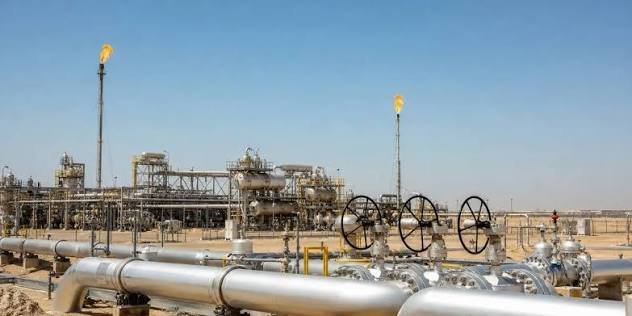
Saudi oil infrastructure is particularly important because attacks or disruptions could affect global energy markets. The kingdom has already faced renewed pressure as fighting around the Red Sea and the Strait of Hormuz creates uncertainty for oil shipments.
The situation also comes after Saudi Arabia intercepted a drone near Mecca, while the Houthis denied targeting the holy city.
What Happens Next?
Saudi Arabia now faces a choice between securing additional defensive capacity and supporting diplomatic efforts to reduce the attacks.
For Riyadh, the immediate priority is keeping critical infrastructure protected. For its allies, however, providing interceptors could further reduce their own reserves at a time when missile-defense systems are already under pressure.
That makes the Saudi request part of a wider problem. The current conflicts are not only consuming weapons. They are also testing how quickly the world’s major defense industries can replace them.