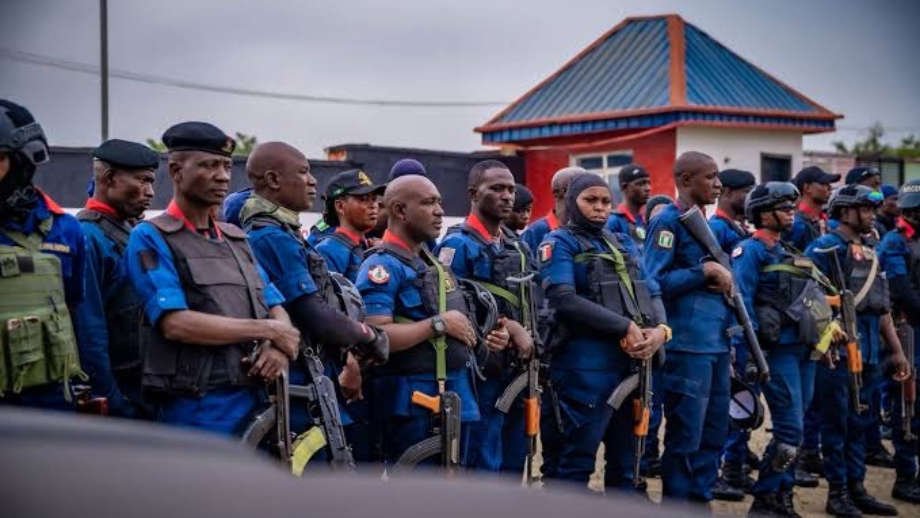










Nigeria recorded 5,091 deaths linked to violent incidents between April and June 2026, according to a new SBM Intelligence report cited by The Guardian. That is a 17.7% increase from the 4,326 deaths recorded in the first quarter, meaning the country lost an average of roughly 56 people every day to violence during the three-month period. Borno recorded the highest number of deaths at 1,355, while 304 security personnel were also killed.
The timing is particularly significant because the Federal Government is now accelerating plans for state police. President Bola Tinubu’s Presidential Working Group on the National Policing Bill is expected to present its draft framework in September, with state governors strongly backing the idea.
The argument is straightforward: a police force that is closer to communities should be able to gather intelligence faster, respond to threats earlier and understand local criminal networks better than an overstretched centralized system.
But the 5,091 figure should also make Nigerians cautious about treating state police as a magic solution. The violence being recorded across the country comes from different sources, including terrorism, banditry, kidnapping, armed robbery and gang violence.
The Supreme Council for Shariah in Nigeria has already warned that poor funding, weak intelligence, inadequate equipment, corruption and poor coordination within existing security agencies could continue to undermine any new structure. Those problems do not automatically disappear because policing responsibilities are moved closer to state governments.
There is also a serious political risk. A state police system could improve security if commanders are professional and accountable, but it could become dangerous if governors use police institutions to intimidate opponents, suppress protests or influence elections.
The proposed framework is therefore being designed around recruitment standards, funding, jurisdiction, firearms regulation, human-rights safeguards and disciplinary systems. The government itself acknowledges that preventing state police from becoming instruments of political oppression will be one of the biggest tests of the reform.
The latest violence in Kaduna makes the urgency harder to ignore. A July 27 attack on a village in Kauru reportedly killed at least 30 people, including children. The United States has condemned the attack and urged Nigeria to address what it described as rampant violence against Christian communities in the Middle Belt. The fact that Washington is publicly pressing Abuja over the security situation adds international pressure to a problem that Nigerian communities have been living with for years.
The real test now is whether the government treats the 5,091 deaths as a statistic or as evidence that the current security architecture is failing too many Nigerians. State police could become one of the most important reforms of Tinubu’s administration, but only if it comes with intelligence investment, proper funding, accountability and protection from political interference. Otherwise, Nigeria could end up with more police institutions without actually having safer communities.