








Regional security tensions have intensified across the Pacific after China conducted a surprise long-range missile test just hours after Australia and Fiji signed a landmark bilateral defence agreement aimed at strengthening regional security cooperation.
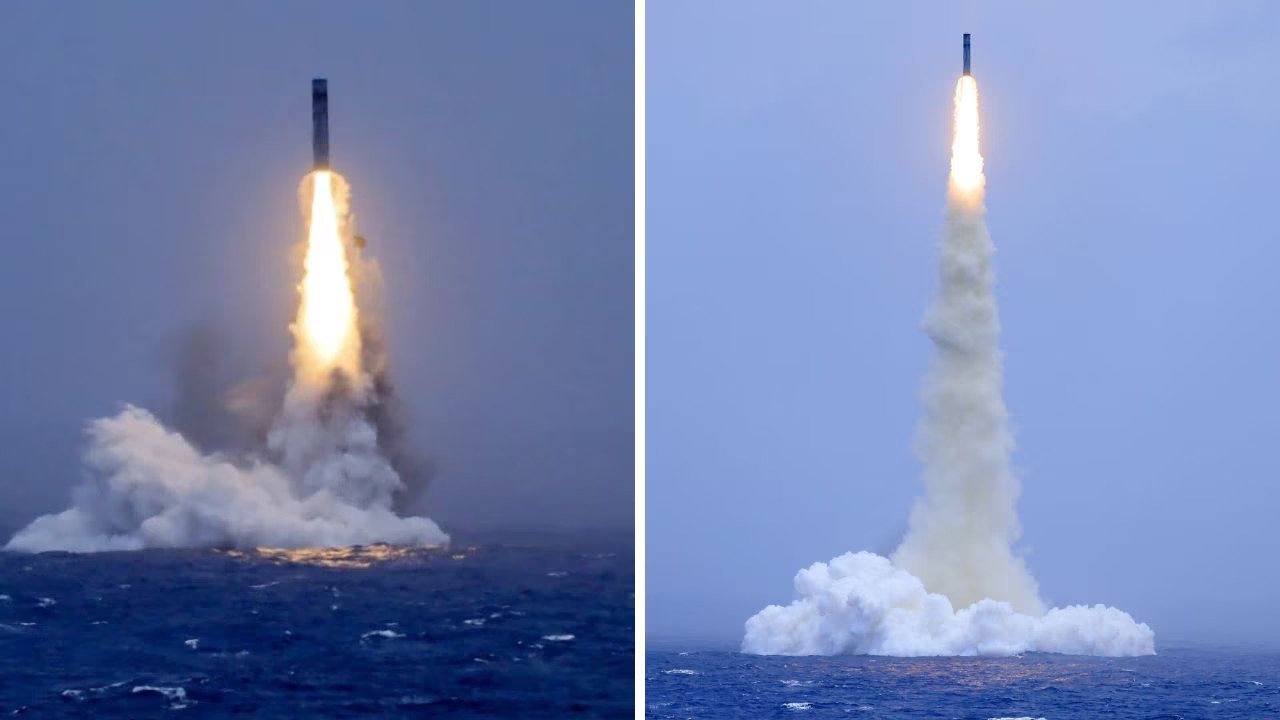
The missile, reportedly launched from a Chinese nuclear-powered submarine with a simulated warhead, travelled across the South Pacific before landing in a designated area of the ocean. Beijing described the exercise as a routine military training operation conducted in accordance with international law and said advance notifications were issued to relevant countries.
The timing of the launch, however, immediately drew criticism from Australia and several Pacific nations. Australian officials described the test as “destabilising,” while New Zealand and other regional partners expressed concern over the limited notice and the potential impact on regional stability.
Security analysts noted that although such missile launches require months of planning, conducting the test on the same day Australia and Fiji formalised their new defence pact has heightened geopolitical tensions and fuelled speculation over Beijing’s strategic messaging.
Earlier in the day, Australian Prime Minister Anthony Albanese and Fijian Prime Minister Sitiveni Rabuka signed the “Ocean of Peace” defence agreement, expanding cooperation in maritime security, disaster response, military training and regional stability. The pact is widely viewed as part of Canberra’s broader effort to strengthen partnerships across the Pacific amid growing strategic competition with China.
China has defended the missile launch as a normal component of military readiness, insisting the exercise posed no threat to neighbouring countries. Nevertheless, the test has prompted renewed debate over transparency, military signalling and the evolving balance of power in the Indo-Pacific.
Observers say the combination of expanding defence partnerships and increasingly visible military demonstrations is likely to keep regional security at the forefront of diplomatic discussions in the months ahead.