







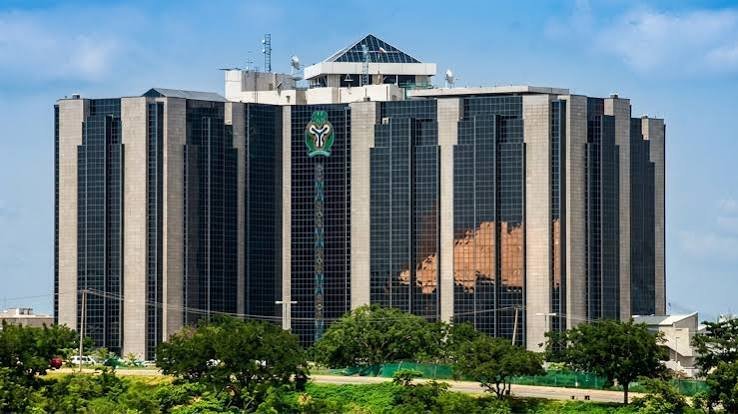
The Federal Government has unveiled fresh economic measures aimed at stabilising Nigeria’s financial system and easing the cost of imports, with the Central Bank of Nigeria (CBN) set to aggressively withdraw excess market liquidity while the Nigeria Customs Service confirms lower import tariffs on vehicles.
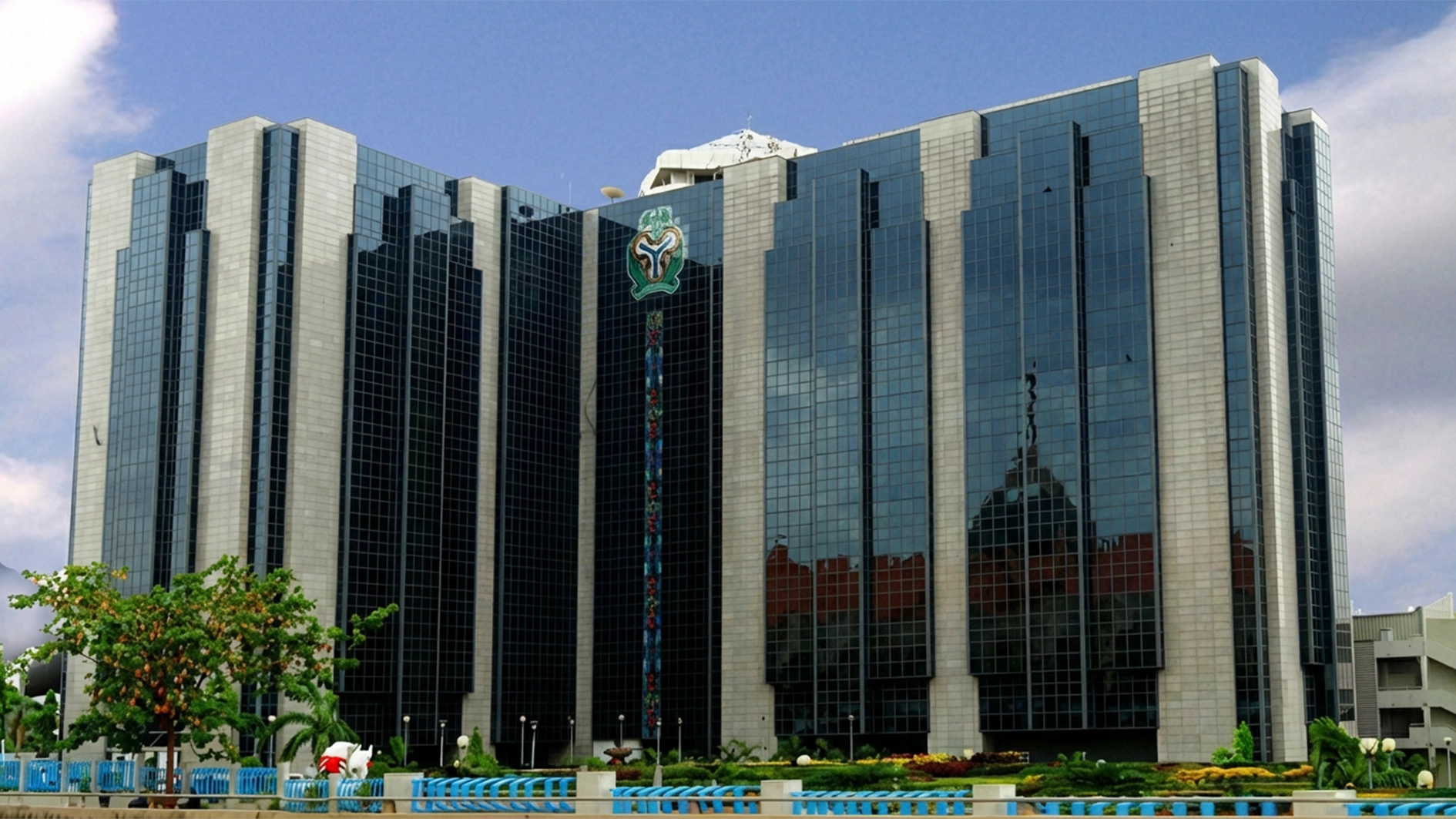
The CBN plans to raise between ₦1.35 trillion and ₦2 trillion through Treasury Bill (T-Bill) auctions scheduled throughout July as part of its monetary policy strategy to reduce excess liquidity, curb inflationary pressures and support exchange rate stability. The auctions will be conducted on behalf of the Debt Management Office (DMO) and are expected to attract strong investor interest.
Market analysts say the liquidity mop-up is designed to reduce the amount of cash circulating in the financial system, helping to moderate inflation and strengthen confidence in the naira. The move comes as the apex bank continues to rely on open market operations and Treasury Bill issuances to manage money supply.
Meanwhile, Comptroller-General of the Nigeria Customs Service, Bashir Adeniyi, has confirmed that the Federal Government has approved a significant reduction in import tariffs on motor vehicles. Under the new policy, used vehicles will attract a 5% import duty, while brand-new vehicles will be subject to a 10% tariff, a move aimed at reducing the cost of vehicle imports and easing economic pressure on businesses and consumers.
The tariff reduction is expected to lower import costs for dealers and could eventually translate into more affordable vehicle prices if the savings are passed on to buyers. Industry stakeholders have welcomed the development, describing it as a positive step toward improving access to vehicles and supporting commercial activities.
Economists believe that while the CBN’s tighter liquidity measures seek to control inflation, the reduction in vehicle import tariffs reflects the government’s effort to cushion the impact of high living costs. Together, the policies underscore a balancing act between maintaining macroeconomic stability and providing targeted relief to households and businesses.