







Nigeria is heading into the second half of 2026 with a mixed economic picture: the economy appears to be gaining momentum, but the naira remains under pressure and borrowing costs are still extremely high.
A BusinessDay nowcast estimates that Nigeria’s economy could grow by 4.5% in Q2 2026, which would make it the fastest second-quarter expansion in five years. If confirmed by official GDP data, that would suggest that economic activity is holding up despite the difficult adjustment Nigerians and businesses have faced.
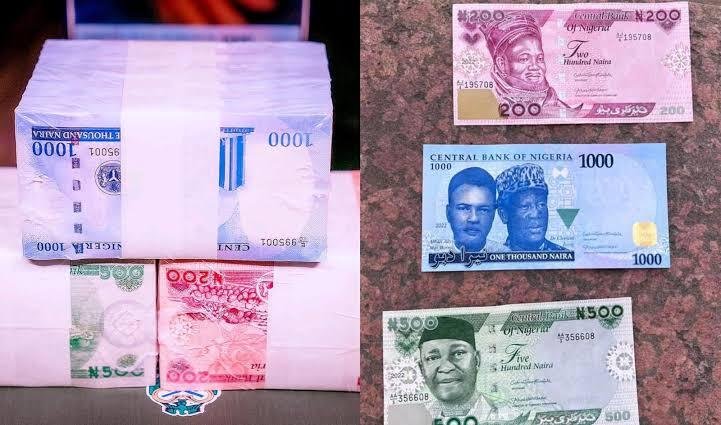
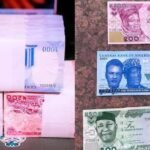
But stronger GDP growth does not automatically mean households are feeling richer. The exchange-rate gap is a reminder. The naira was trading around ₦1,368 per dollar on the official market, while the parallel market was around ₦1,425–₦1,430. That difference matters because businesses that rely on imported goods, raw materials or equipment can still face higher costs when accessing foreign currency outside the official market.
At the same time, the Central Bank of Nigeria has kept its benchmark interest rate at 26.5%, signaling that policymakers are still more worried about inflation and external risks than they are about making borrowing cheaper. The CBN’s July decision specifically pointed to persistent inflationary pressures and uncertainty linked to renewed Middle East hostilities.
That creates an unusual situation for businesses. The economy can grow while businesses and consumers still feel squeezed.
A company might record higher sales because economic activity is improving, but face expensive loans, imported-input costs and currency uncertainty at the same time. For smaller businesses, particularly those dependent on bank financing, a 26.5% policy rate can make expansion considerably harder.
This is why the coming months will be important. If GDP growth continues while the naira becomes more stable and inflation keeps easing, the current economic reforms could begin producing more visible benefits. Lower inflation would eventually give the CBN more room to reduce interest rates, making credit cheaper and potentially encouraging more investment.
But if growth improves without stronger purchasing power, the headline GDP numbers may feel disconnected from everyday life.
Nigeria therefore needs more than growth on paper. It needs growth that translates into stronger businesses, more jobs, cheaper financing and greater purchasing power.
The latest figures offer a reason for optimism, but they are not the finish line. The real test is whether Nigeria can turn economic growth into an economy people can actually feel.