









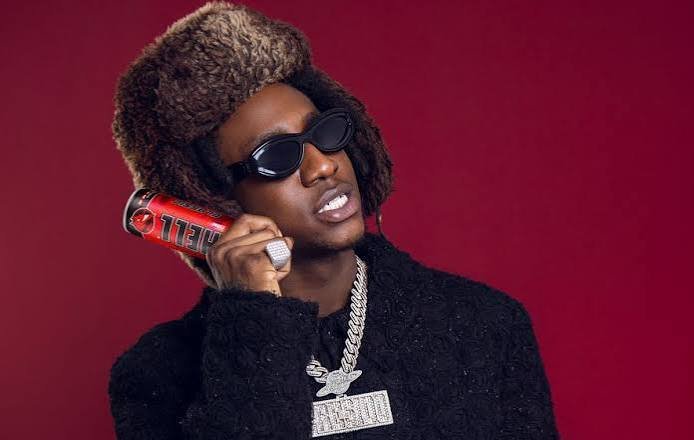
What started as a dispute between Shallipopi and his former music executive is quickly becoming a much bigger conversation about how Nigerian artists are paid, who controls their music and what happens when a record deal falls apart.
Shallipopi has accused Dapper Music boss Damilola Akinwunmi of withholding royalty income from 46 songs, including earnings from his hit “E Don Cast”. He also alleged that his catalogue was sold or transferred to Virgin Music without proper accounting and threatened to report the matter to the Economic and Financial Crimes Commission. These remain allegations from the singer and have not been independently established.
The controversy became more significant because Shallipopi is not the only former Dapper Music artist raising concerns.
Three Artists, Similar Complaints
T.I Blaze was the first to publicly reignite the dispute, alleging that about ₦1.2 billion in revenue from his music had gone unexplained. He also questioned how Virgin Music became involved in his catalogue and claimed his contract had expired after months of trying to resolve the matter privately.
Seyi Vibez then joined the conversation, claiming that money generated from his own success was used to sign other artists. He also warned artists who remain connected to the label to be careful.
Then came Shallipopi.
When multiple successful artists who previously worked with the same company begin making separate complaints about royalties, catalogues and contracts, the story becomes a question about the business structure behind Nigerian music.
The Real Battle Is Over Music Ownership
The most important part of this controversy may not actually be the money. It is the catalogue.
A successful artist can release dozens of songs that continue generating money years after they were recorded. Streaming, licensing, publishing and other commercial uses can keep producing revenue long after an artist has left a label. That makes ownership and accounting extremely important.
An artist may believe they have moved on from a record label, only to discover that the company still controls important rights to their music or that another company has become involved in distributing or licensing the catalogue.
That is why the allegations involving Virgin Music could become particularly important if the dispute moves into formal proceedings.
Why This Could Change How Artists Approach Record Deals
The controversy could also make younger Nigerian artists more careful about signing contracts.For years, the focus for many upcoming musicians was simple: get signed, get funding, release music and become famous.
But the bigger an artist becomes, the more valuable their catalogue becomes. The Shallipopi, T.I Blaze and Seyi Vibez dispute is a reminder that artists need to understand exactly what they are giving away, how royalties are calculated, who controls their recordings and what happens when the relationship ends.
It also raises questions about whether artists have enough access to independent lawyers, accountants and music-business professionals before signing agreements.
Dapper Music Has Yet to Answer the Latest Claims
As of August 15, Dapper Music and Akinwunmi had not publicly responded to the latest allegations from the three artists. That means the next stage could be more important than the social media exchanges.
If the artists take their claims to lawyers, regulators or the courts, the dispute could eventually produce something the Nigerian music industry badly needs: clearer answers about catalogue ownership, royalty accounting and the responsibilities of music companies.
For now, it is a messy public fight. But if the allegations lead to formal investigations, it could become a much bigger test of how Nigeria’s modern music business treats the people whose songs generate the money in the first place.