






The Osun governorship election has taken a tense turn as allegations of vote buying, ballot irregularities and confrontations at polling locations raise fresh questions about how freely voters can make their choice.
Reports from across the state on Saturday show that money has become a major flashpoint. In some areas, voters and young people reportedly confronted individuals accused of distributing cash to influence votes. Videos circulating online show heated scenes involving naira notes allegedly linked to vote buying, while musician Davido drew attention to the incidents and praised young Osun residents for pushing back.
The reports have not established which party was responsible for every alleged payment, and accusations from political actors should be treated as claims until independently verified. However, vote buying allegations have been reported from several parts of the state. Some voters reportedly received offers of up to ₦15,000, while technical problems with BVAS and shortages of election materials also caused delays in some locations.
Ejigbo Becomes One of the Flashpoints
In Ejigbo, party agents reportedly refused to allow voting to begin until ballot papers were counted and verified. Agents alleged that the number of papers supplied did not match what they were expecting, leading to demands for a recount.
The situation later became more serious at the polling unit of ADC candidate Najeem Salaam, where suspected thugs reportedly disrupted voting shortly after he cast his ballot.
These incidents matter because they can affect more than the people directly involved. When voting is delayed or disrupted, some voters may leave before casting their ballots, while others may become more vulnerable to intimidation or inducement.
The Bigger Problem Is Trust
The most important issue emerging from the election may not be who is accused of buying votes. It is whether voters still believe they can cast their ballots without pressure.
Vote buying works because political actors understand that economic hardship can make cash difficult to reject. But when voters begin confronting alleged vote buyers themselves, it suggests that frustration with the practice is also growing.
At the same time, the confrontations create another danger. A dispute over money at a polling unit can quickly turn into violence, particularly when supporters of rival parties are already suspicious of one another.
Adeleke Accuses APC of Rigging Attempts
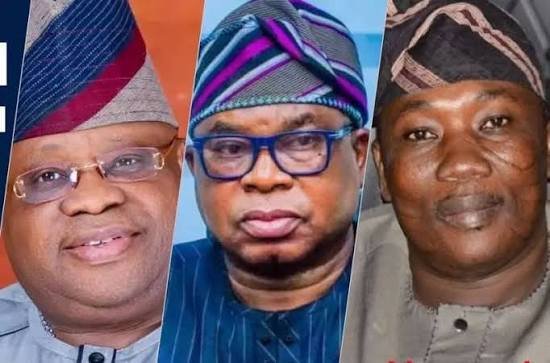
Governor Ademola Adeleke has also accused the APC of attempting to manipulate the election, including allegations involving fake ballot papers and the use of tear gas against voters. Those claims have not been independently established and the APC would have an opportunity to respond.
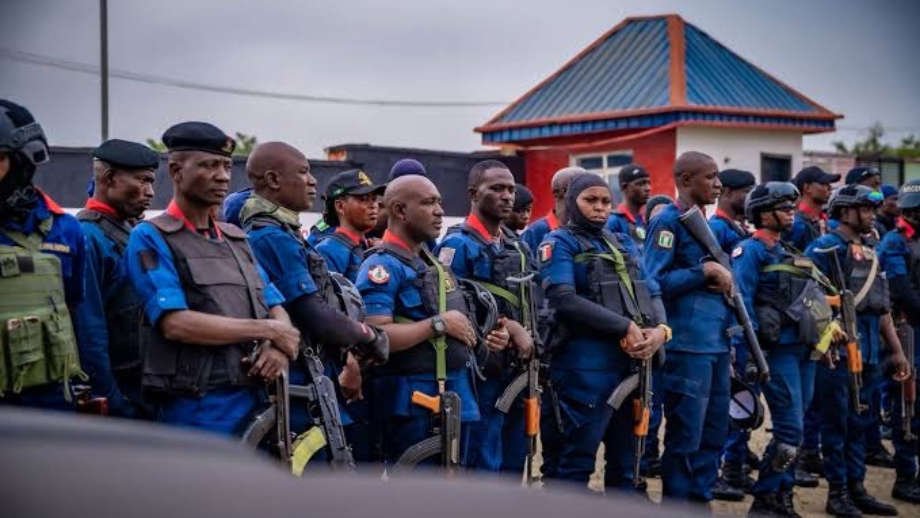
The allegations nevertheless add to an increasingly difficult environment for INEC and security agencies, which are expected to ensure that voters can cast their ballots safely and that every legitimate vote is counted.
What Happens After Voting Matters Too
Osun has more than two million registered voters, with 1.9 million having collected their Permanent Voter Cards. The scale of the electorate means that disruptions at individual polling units could become significant if they are widespread. The immediate priority now is preventing isolated disputes from escalating.
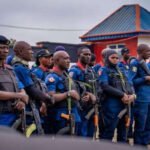
INEC and security agencies will need to respond quickly to allegations, investigate credible complaints and ensure that political parties cannot turn polling units into battlegrounds.
The real test of today’s election will be whether Osun voters can look at that result and believe that their votes, rather than cash, intimidation or manipulation, decided who won.