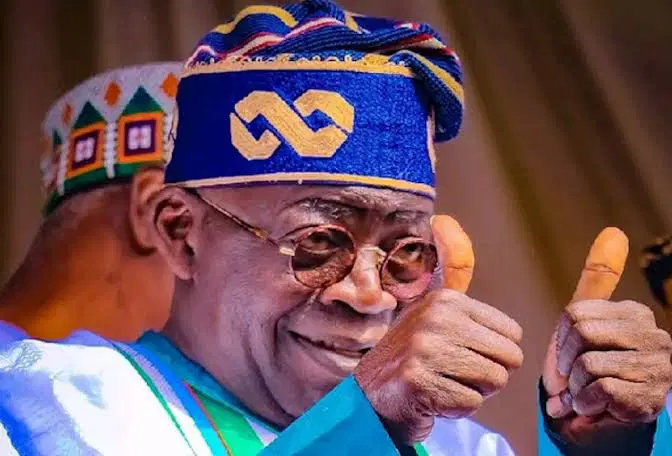








Nigeria’s stock market has reached a major milestone, with the Nigerian Exchange Group (NGX) market capitalization rising to about ₦160 trillion. President Bola Tinubu has welcomed the performance and backed an even bigger target of ₦230 trillion by the end of 2026.
On the surface, this is a strong signal. The value of listed equities has risen from roughly ₦30 trillion in 2023 to ₦160 trillion, while NGX officials say the growth reflects stronger investor confidence following economic reforms.
But there is a more important question: what does a ₦160 trillion stock market actually mean for Nigerians who do not own shares?
A rising market can create wealth for investors, give companies access to capital and make Nigeria more attractive to foreign investors. NGX’s chief executive, Temi Popoola, has even estimated that the market’s performance has created between 500,000 and 900,000 millionaires through investment gains.
However, market capitalisation alone does not mean that the wider economy has become ₦160 trillion richer. Share prices can rise because of investor expectations, corporate earnings, inflation and the changing value of the naira. It is therefore possible for the stock market to perform strongly while households continue struggling with high living costs.
That is why the ₦230 trillion target should be treated as a starting point, not the final scorecard. The real opportunity is using the stronger capital market to finance businesses that produce goods, create jobs and expand Nigeria’s productive capacity. More companies listing on the exchange could give Nigerian businesses another way to raise long-term funding rather than relying almost entirely on expensive bank loans.
The government’s push to bring major companies into the market could also deepen that process. Tinubu has reaffirmed plans to list NNPC on the NGX, potentially creating one of the country’s biggest publicly traded companies. If that happens alongside more private-sector listings, Nigeria’s capital market could become much more important to the economy.
But the next phase needs to be about quality, not just size. Nigeria doesn’t simply need a bigger stock market. It needs a market that channels more money into productive companies, attracts long-term investors and allows ordinary Nigerians to participate in the wealth being created.