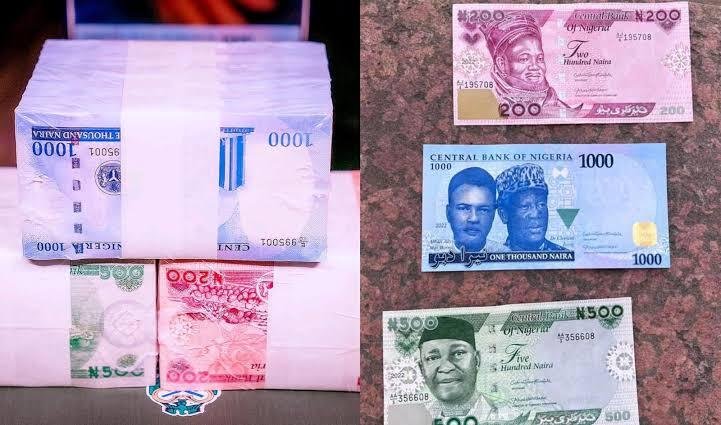










The International Monetary Fund (IMF) has said the Nigerian naira remains significantly undervalued despite recent improvements in the country’s foreign exchange market, highlighting both progress and continued challenges in Nigeria’s economic recovery.
In its latest Article IV consultation report on Nigeria, the IMF estimate that the naira was undervalued by 25.6 percent based on its assessment of exchange rate fundamentals. The Fund said recent reforms have helped improve macroeconomic conditions, but noted that further adjustments and stronger economic policies are still needed.
The IMF acknowledged that reforms carried out over the past three years have produced “improved macroeconomic outcomes and built resilience” in Africa’s largest economy. The report pointed to improvements in the foreign exchange market, including better alignment between official and market rates, as signs of progress.
The naira has recorded periods of recovery following major foreign exchange reforms introduced by the Central Bank of Nigeria, including efforts to improve transparency and reduce distortions in the currency market. Analysts say the IMF’s assessment suggests that while the currency has strengthened, its value may still not fully reflect Nigeria’s economic fundamentals.
However, the Fund warned that significant pressures remain. Inflation, weak purchasing power, and concerns over poverty and food insecurity continue to affect millions of Nigerians. Despite the economic improvements, living conditions remain difficult for many households.