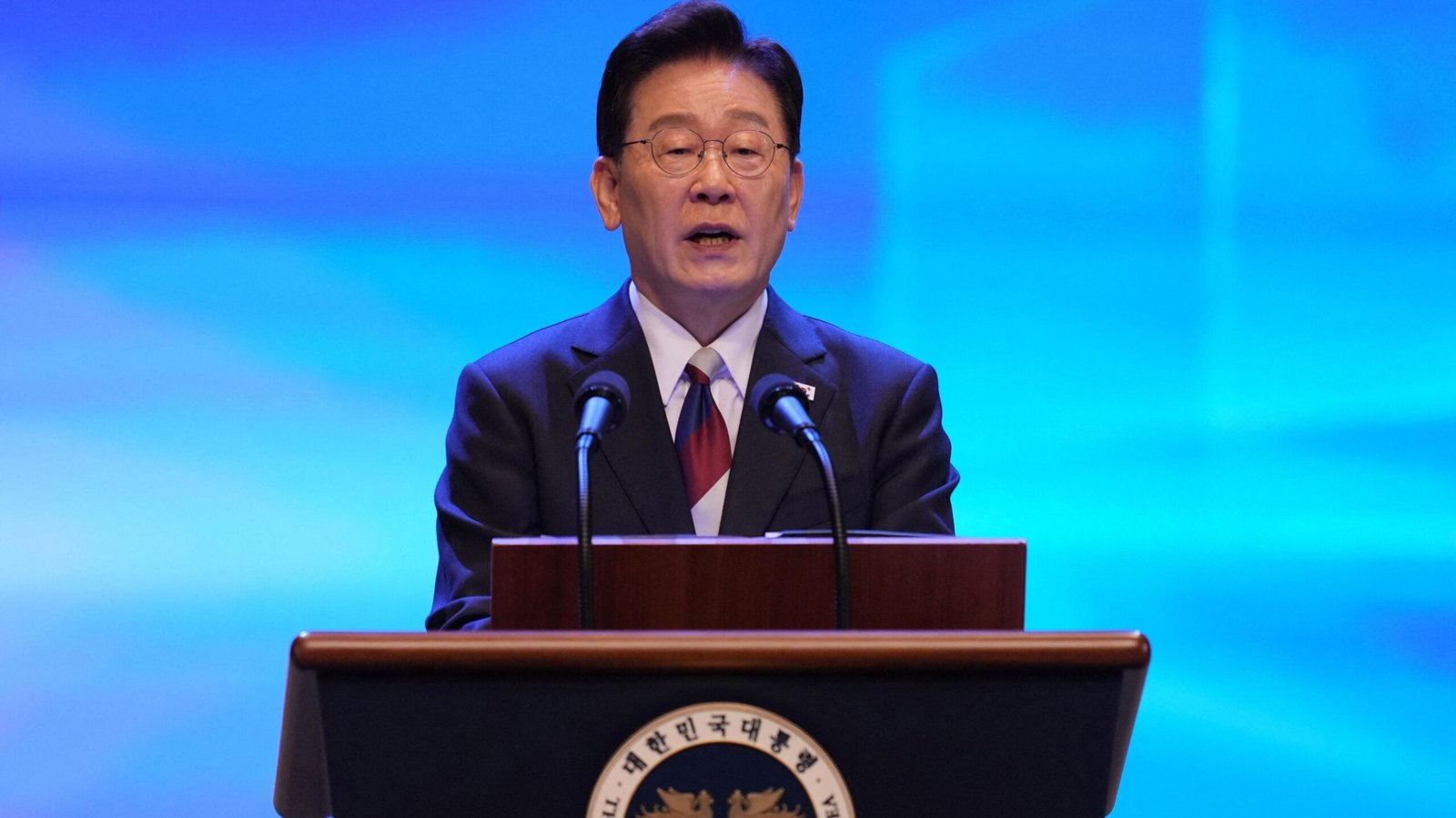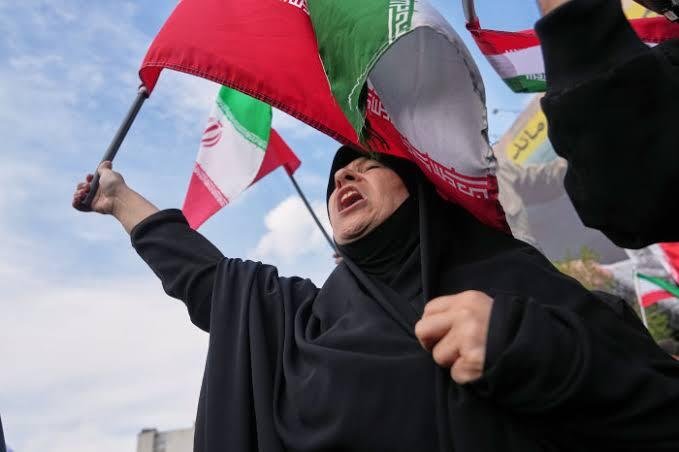










A major diplomatic breakthrough has emerged in the Middle East after Hamas agreed in principle to a phased disarmament plan as part of a broader roadmap aimed at ending the war in Gaza.
The proposal, announced by U.S. President Donald Trump and developed through months of negotiations involving American, Egyptian and regional mediators, links Hamas’ gradual disarmament with a phased withdrawal of Israeli forces from Gaza under international supervision.
Under the framework, Hamas and other armed groups would surrender heavy weapons, dismantle military infrastructure and transfer arms to a newly created National Committee for the Administration of Gaza (NCAG). An International Stabilisation Force and verification committee would oversee implementation, while Israel would withdraw its troops in stages as agreed milestones are met.
Trump described the agreement as a “historic” step toward ending the conflict, saying it would pave the way for reconstruction, humanitarian aid and a new civilian administration in Gaza.
Despite the announcement, key challenges remain. Hamas has indicated it supports the roadmap provided Israel fully withdraws and ceases military operations, while Israeli officials continue to insist that complete disarmament must be verified before any full withdrawal is completed. The sequencing of those two steps remains the biggest obstacle to implementation.
If successfully implemented, the agreement would represent one of the most significant diplomatic developments since the conflict escalated, creating a pathway for post-war governance, reconstruction and long-term security arrangements in Gaza. However, analysts caution that the success of the roadmap will depend on international monitoring, compliance by both parties and sustained diplomatic engagement.