










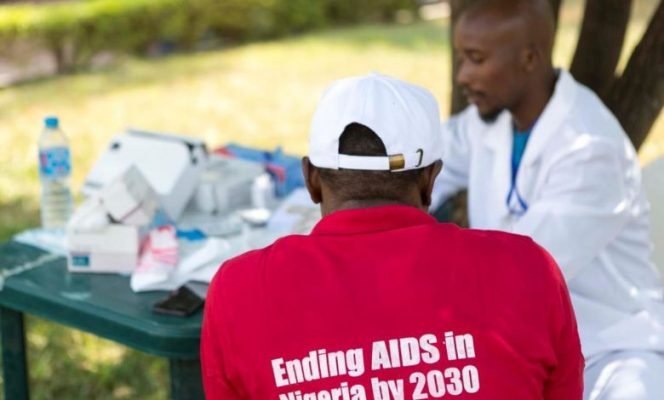
A disturbing allegation from Abuja has reopened an uncomfortable conversation about HIV discrimination in Nigeria and the fear that still surrounds the virus.
A man has claimed that a nightclub in Abuja refused him entry after bouncers learnt that he was living with HIV. In videos circulating online, he alleged that one of the bouncers also sent a message to a woman he was with, asking whether she wanted to “die”. The nightclub’s response and the full circumstances surrounding the incident will be important to establishing exactly what happened.
But beyond this particular allegation is a bigger problem. Nigeria has spent years trying to fight HIV stigma, yet many people still associate an HIV diagnosis with danger, promiscuity or death.
HIV Discrimination Is Still Widespread in Nigeria
Nigeria’s HIV and AIDS Anti-Discrimination Act 2014 prohibits discrimination based on a person’s actual or perceived HIV status. The law protects people living with HIV from discrimination in communities, workplaces and institutions, while also providing protections around access to services and confidentiality.
That matters because refusing someone access to a public venue simply because they have HIV is not the same thing as protecting other customers from infection.
Modern HIV treatment has changed the reality of living with the virus. People receiving effective treatment can live long and healthy lives, while HIV cannot be transmitted through ordinary social contact such as sharing a space, shaking hands or being around someone at a nightclub.
Yet stigma remains a serious barrier. UNAIDS reports that about two million people were living with HIV in Nigeria at the end of 2023, while discrimination continues to discourage people from testing and accessing treatment.
But Nigeria Also Has a Conversation About Intentional Transmission
There is another side of the debate that should not be ignored. Some Nigerians fear people who knowingly expose sexual partners to HIV. There have also been criminal cases involving allegations of intentional transmission or exposure. For example, a Lagos court sentenced a man to life imprisonment after he was convicted of sexually abusing a 14-year-old girl and infecting her with HIV.
However, this distinction is important: living with HIV does not mean someone is intentionally spreading HIV. Nigeria’s HIV Anti-Discrimination Act protects people living with the virus, while other criminal laws can apply where there is evidence of deliberate or unlawful conduct.
Treating every person with HIV as a potential threat therefore creates another problem. It can push people into hiding, discourage testing and make it harder for public health workers to reach those who need treatment.
The Bigger Problem Is Fear Without Knowledge
The Abuja allegation should therefore lead to two conversations, not one. If the nightclub discriminated against the man because of his HIV status, there should be accountability. But Nigeria must also continue educating people about responsible sexual health and the serious consequences of deliberately putting another person at risk.
The answer cannot be fear. It has to be knowledge, testing, treatment, responsibility and enforcement of the law.
Nigeria joined the Global Partnership for Action to Eliminate HIV-Related Stigma and Discrimination in 2025. The challenge now is turning that commitment into something people can actually feel in workplaces, hospitals, businesses and everyday life.