









Nigeria says its subsidy reforms freed up ₦15.8 trillion between June 2023 and December 2025. But as crude oil prices climb again, the latest petrol price increase from the Dangote Refinery shows why the real test of the reforms is not simply how much government saves, but whether Nigerians can actually feel the benefit.
Finance Minister Taiwo Oyedele said the removal of petrol subsidies created ₦15.8 trillion in savings over the 30-month period. The government says the resources have supported areas including infrastructure, wages, student loans, housing and food security.
Importantly, the ₦15.8 trillion subsidy savings is not a single pile of cash sitting in a government account. It represents resources that became available to the federation after subsidy payments stopped.
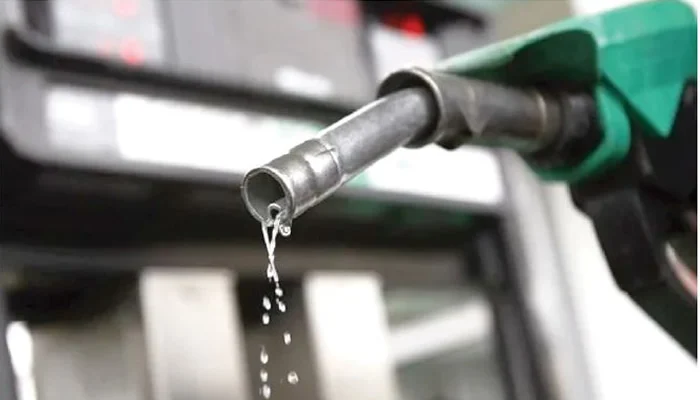
At almost the same time, the Dangote Refinery has increased its petrol gantry price by ₦20, from ₦1,165 to ₦1,185 per litre, effective August 21. The adjustment comes as Brent crude rises above $93 per barrel.
The Subsidy Savings Are Real, But So Is the Pressure on Consumers
This is where Nigeria’s subsidy reforms face a difficult political and economic test.
When subsidies were removed, the government argued that spending huge amounts to keep petrol artificially cheap was no longer sustainable. Instead, the money could be redirected towards areas that would have a wider economic impact.
But removing the subsidy also exposed Nigerian consumers to movements in the global oil market. That means crude oil prices can still push petrol prices higher even when the product is being refined locally.
The latest Dangote Refinery increase is a clear example. Local refining can reduce dependence on imported petrol and strengthen supply, but it does not completely disconnect Nigeria from global energy prices.
The Bigger Question Is What Nigerians Get in Return
This is why the ₦15.8 trillion figure needs to be followed by another question: what has the money achieved?
If subsidy savings are funding infrastructure, student loans, higher wages and social programmes, Nigerians need to see measurable improvements in those areas.
Otherwise, people may experience the pain of higher fuel prices without seeing enough of the benefits from the money saved. The government’s own reform scorecard says the savings have helped fund several programmes, but the effectiveness of those programmes will ultimately be judged by their impact on households and businesses.
Dangote Refinery Cannot Shield Nigeria From Global Oil Prices
The development also shows why expectations around the Dangote Refinery need to be realistic.
The refinery has transformed Nigeria’s downstream petroleum market and increased domestic refining capacity. It has also secured $1 billion in financial backing ahead of its planned IPO, highlighting investor confidence in its strategic importance.
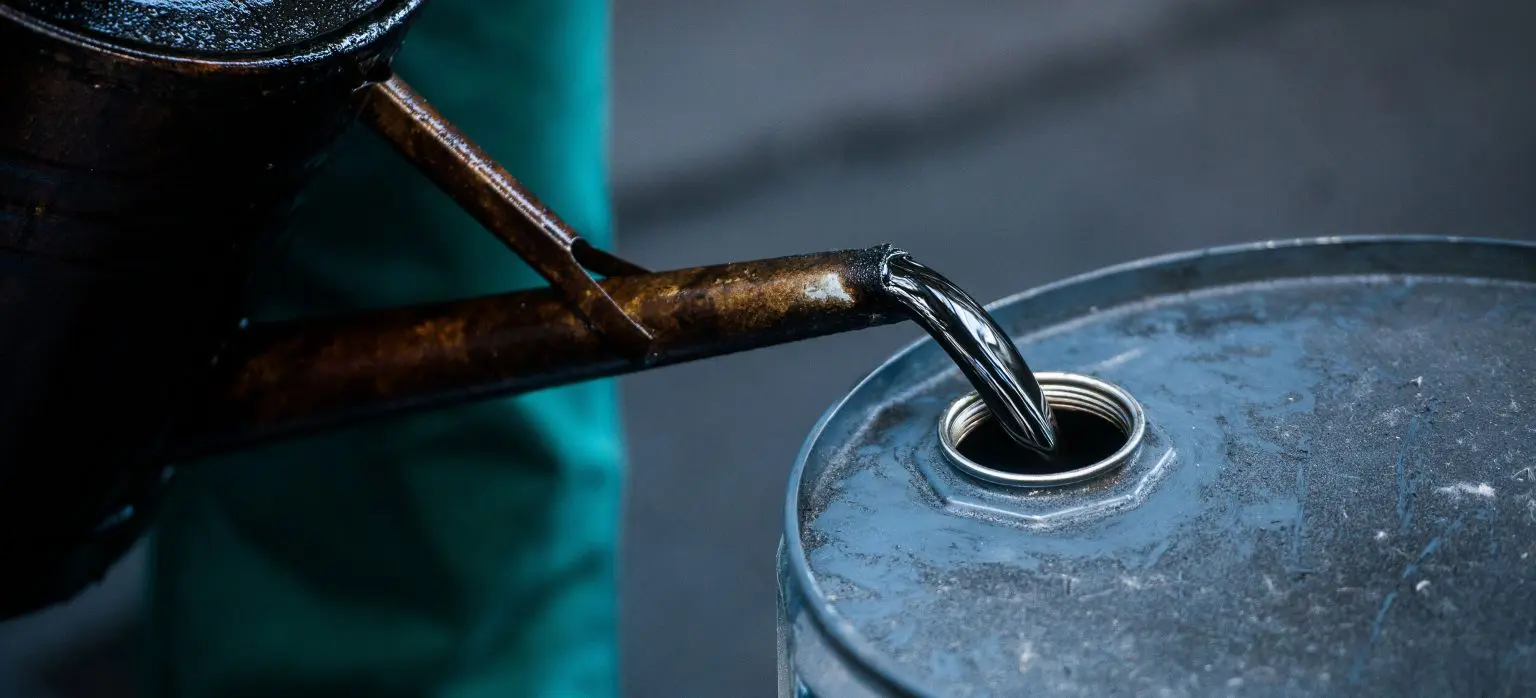
But it cannot control the international price of crude oil. With Brent above $93, another round of petrol price increases could put pressure on transport costs, food prices and business operating expenses.
Nigeria may have saved ₦15.8 trillion through subsidy reforms, but the next challenge is making sure those savings translate into enough economic relief to offset the pressures Nigerians still face at the pump.
2 thoughts on “Nigeria’s ₦15.8 Trillion Subsidy Savings Face a New Test as Dangote Refinery Raises Petrol Price”