









The Federal Government has released a new Reform Scorecard defending the economic policies of President Bola Tinubu’s administration and arguing that the painful changes of the past three years have helped Nigeria avoid an even deeper economic crisis.
Presented by Finance Minister and Coordinating Minister of the Economy Taiwo Oyedele on Wednesday, the scorecard says the removal of the petrol subsidy and foreign exchange reforms generated ₦15.8 trillion in savings for the Federation between June 2023 and December 2025. Of that amount, ₦5.4 trillion accrued to the Federal Government, while ₦10.4 trillion went to states and local governments.
But the most interesting part of the government’s report is not the ₦15.8 trillion figure. It is the argument that Nigeria did not just gain from the reforms, it avoided something worse.
Government Says the Reforms Prevented a Fiscal Crisis
According to Oyedele, the government is presenting the scorecard as an assessment of the costs, benefits and potential damage avoided by the reforms, rather than simply a list of achievements.
He said 27 states that struggled to pay salaries in May 2023 can now reliably meet their obligations. Without the reforms, the government estimates that at least 30 states could have been unable to pay salaries by 2026. The government also argues that Nigeria avoided a much bigger foreign exchange crisis.
Before the reforms, the gap between official and parallel exchange rates was above 60%. Oyedele said that gap could have risen beyond 150% without the unification of the foreign exchange market.
That is the government’s central argument: the question should not only be what Nigerians lost because of the reforms, but what could have been lost if nothing changed.
Where Did the Money Go?
The government says the additional resources created by the reforms helped finance ₦30.64 trillion in additional expenditure.
That included ₦9.39 trillion for wage adjustments, minimum wage increases and allowances, ₦9.37 trillion for external debt servicing and ₦6.5 trillion for strategic infrastructure.
The government also says subsidy savings are supporting areas such as student loans, housing, food security and infrastructure. This is where the scorecard faces its biggest test.
Nigerians may understand the economic argument, but they will ultimately want to see how these billions translate into cheaper food, better transport, reliable electricity, jobs and improved living standards.
The Government Admits the Reforms Have Been Painful
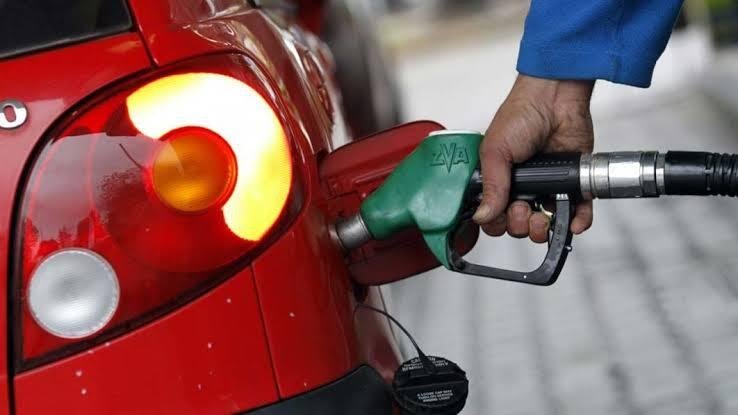
Interestingly, the scorecard does not completely ignore the negative side. Oyedele acknowledged that the reforms came with serious costs. The Monetary Policy Rate has risen from 18.5% in May 2023 to 26.5%, while petrol prices have moved from about ₦185 per litre to between ₦1,100 and ₦1,400.
That admission matters because the biggest criticism of Tinubu’s reforms has been the gap between improving economic indicators and the daily experience of ordinary Nigerians.
The World Bank has similarly said Nigeria’s difficult macroeconomic reforms are beginning to produce gains, but warned that the economy still needs to create more jobs and reduce poverty.
Now the Government Has to Prove Its Own Scorecard
The scorecard gives the Tinubu administration a stronger argument ahead of the 2027 election campaign. But it also creates a new standard for the government.
If ₦15.8 trillion was saved and billions more were made available, Nigerians will reasonably ask what they received in return.
The next stage of Tinubu’s economic story cannot just be about money saved or crises avoided. It has to be about whether those savings eventually make life better for the people who paid the highest price for the reforms.


One thought on “Tinubu Government Releases Reform Scorecard, But the Real Test Is Whether Nigerians Feel the Gains”