










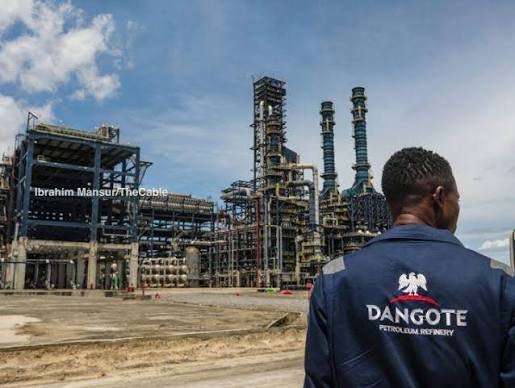
Nigeria’s push to rely more on local petrol production is facing an unexpected problem. The Dangote Refinery says rising Nigeria petrol imports are making it harder to plan production and could force it to export excess fuel instead of selling it at home.
The warning comes as imported petrol accounted for about 43% of the fuel supplied to Nigeria’s market in July, according to data cited by the refinery.
Why Is Nigeria Importing Petrol Again?
The latest figures show a sharp change in the country’s fuel supply balance. Domestic refineries supplied about 25.8 million litres of petrol per day in July, while imports averaged 19.7 million litres per day. That means imported fuel made up roughly 43% of total petrol supply.
This is significant because Nigeria has spent years trying to reduce its dependence on imported petrol by expanding local petrol production. In May, imports supplied only about 12% of the market. By June, however, imports had jumped sharply, while domestic refinery supplies fell.
The result is an unusual situation where Nigeria has a major refinery capable of producing large volumes of fuel, yet imported petrol is still taking a sizeable share of the market.
Why Dangote Says It May Export More Fuel
Dangote Refinery says the problem is not that it cannot supply Nigeria. Instead, the refinery says it is difficult to know how much imported petrol will enter the country. That uncertainty makes it harder to decide how much fuel to produce and store.
Keeping large quantities of unsold petrol in storage also costs money. The company says that if imported products continue competing with its fuel, it may have to send surplus petrol to regional and international markets rather than hold it indefinitely.
That creates the strange possibility of Nigeria importing petrol while its biggest refinery exports petrol.
What This Means for Nigeria
The dispute is bigger than Dangote’s business interests. It raises questions about how Nigeria wants its deregulated fuel market to work.
Allowing imports can increase competition and give marketers another source of supply. But if imports take a large share of the market while local refineries struggle to sell their output, Nigeria could find it harder to build a sustainable domestic refining industry.
There is already evidence that Dangote has changed Nigeria’s position in the international fuel market. Nigerian petroleum product exports have increased more than sevenfold since 2023, driven largely by the refinery.
The next question is whether regulators can find a balance between competition, reliable fuel supply and protecting Nigeria’s growing refining capacity.
If imports remain high, Nigerians could soon see a remarkable reversal: locally refined petrol leaving the country while imported petrol fills part of the domestic market.

One thought on “Dangote Refinery Petrol Imports Rise as Local Fuel Could Be Sent Abroad”