







Cardinal John Onaiyekan’s latest criticism of Nigeria’s political system has shifted attention from the usual 2027 campaign arguments to a more fundamental question: what happens when citizens do not trust the system that is supposed to protect their votes?
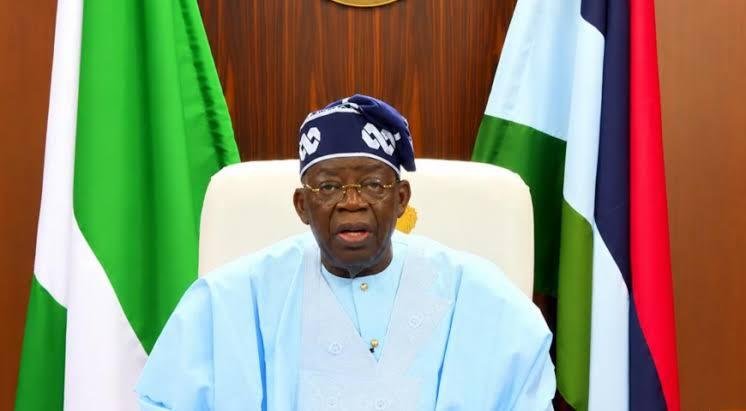
Following the July 28 meeting between President Bola Tinubu and the Catholic Bishops’ Conference of Nigeria, Onaiyekan said the bishops had raised concerns about economic hardship, insecurity and the credibility of the 2027 elections. The bishops specifically called for credible elections and stronger democratic institutions.
The concern is not entirely new. Onaiyekan has repeatedly argued that Nigeria’s electoral system needs reform, including questioning why election disputes so often end up in court. In an earlier interview, he argued that the country should have a system where winners emerge more clearly from voters’ choices rather than through prolonged legal battles.
That points to the bigger issue: Nigeria has electoral laws, but having laws is not the same as having a system that voters completely trust.
If an election is disputed, the courts become the final battleground. But when political disputes routinely move from polling stations to tribunals and higher courts, the public can begin to see elections as something that is ultimately decided by lawyers rather than voters.
That is why concerns ahead of 2027 matter now, rather than after voting has already taken place. The government has said it is open to dialogue with religious leaders, while the bishops have continued to emphasize credible elections and democratic institutions. President Tinubu also told the bishops during their July meeting that his administration was working to stabilize the country and improve security.
The challenge is turning those assurances into safeguards that Nigerians can actually see. That means stronger electoral institutions, clearer rules around election disputes, effective enforcement of electoral offences and enough transparency for citizens to believe that their votes will be accurately recorded and counted.
The issue is particularly important because the 2027 election will be fought in an environment where public frustration over the economy and insecurity is already high.
For politicians, the lesson is straightforward: winning an election is not enough if large numbers of citizens believe the process itself cannot be trusted. For voters, the bigger question is whether Nigeria can strengthen the rules and institutions before 2027, rather than waiting until another disputed election sends everyone back to court.