







A customized President Bola Tinubu-themed phone box distributed at a recent APC event has ignited debate online, not simply because of its unusual design, but because it has revived long-standing questions about how political campaigns use branded gifts to build public support.
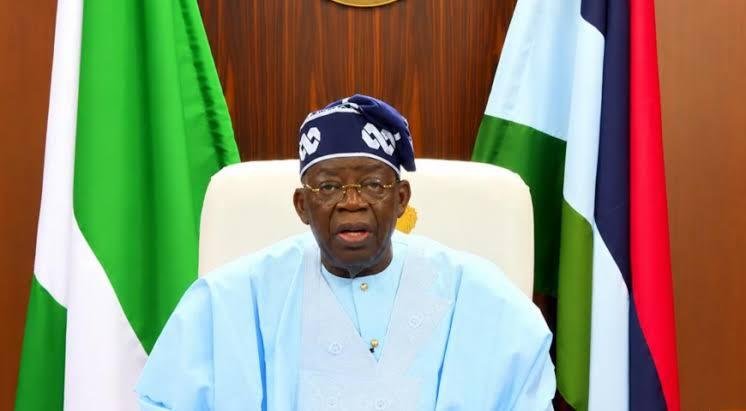
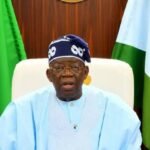
Photos and videos circulating on social media show a premium-looking package featuring President Tinubu in traditional attire alongside references to his “Renewed Hope” agenda. The packaging also carried the names of local political support groups and campaign organisers, prompting widespread speculation over whether the box contained an actual smartphone or was purely promotional.
The reactions have been sharply divided.
Supporters described the package as creative political branding and another way for party loyalists to celebrate the administration. Critics, however, questioned the timing and optics, arguing that such expensive-looking campaign materials risk sending the wrong message at a time when many Nigerians continue to face rising living costs and economic hardship.
The incident also revives a broader conversation that appears during almost every election cycle in Nigeria: where is the line between political mobilization and attempts to influence voters through gifts?
Branded items are nothing new in Nigerian politics. T-shirts, caps, food items, wrappers and household materials have long featured in campaigns across party lines. In recent years, however, political branding has become increasingly sophisticated, with campaign merchandise designed to generate viral social media attention as much as physical support on the ground.
Whether or not the Tinubu-themed package contained a phone may ultimately matter less than the conversation it has created.
Political communication experts have long argued that high-profile campaign gifts serve two purposes: rewarding loyal supporters while creating free publicity through online sharing. In today’s social media era, a single unusual campaign item can dominate public discussion for days, often reaching millions of people far beyond the event itself.
As Nigeria gradually moves toward another major election cycle, voters can expect campaign branding to become even more elaborate. Digital gadgets, customised merchandise and influencer-driven promotions are increasingly becoming part of modern political marketing strategies.
The bigger challenge for political parties will be convincing voters that memorable branding is matched by equally memorable governance.
Because while campaign gifts may win attention, many Nigerians continue to judge governments by issues such as inflation, jobs, electricity and security, all areas that ultimately shape voting decisions far more than promotional packaging.