








U.S. President Donald Trump has confirmed that American military strikes inside Iran will continue, a declaration that suggests the conflict is entering a new phase with no immediate end in sight. While the latest announcement focuses on military action, its biggest implications may be economic and geopolitical rather than tactical.
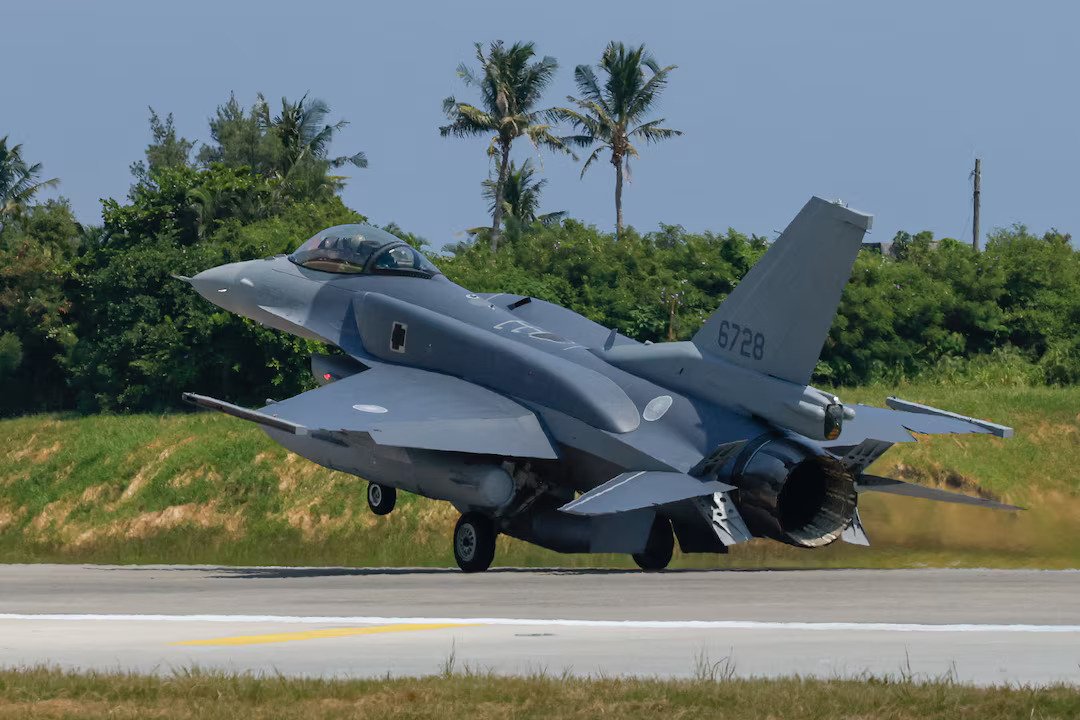
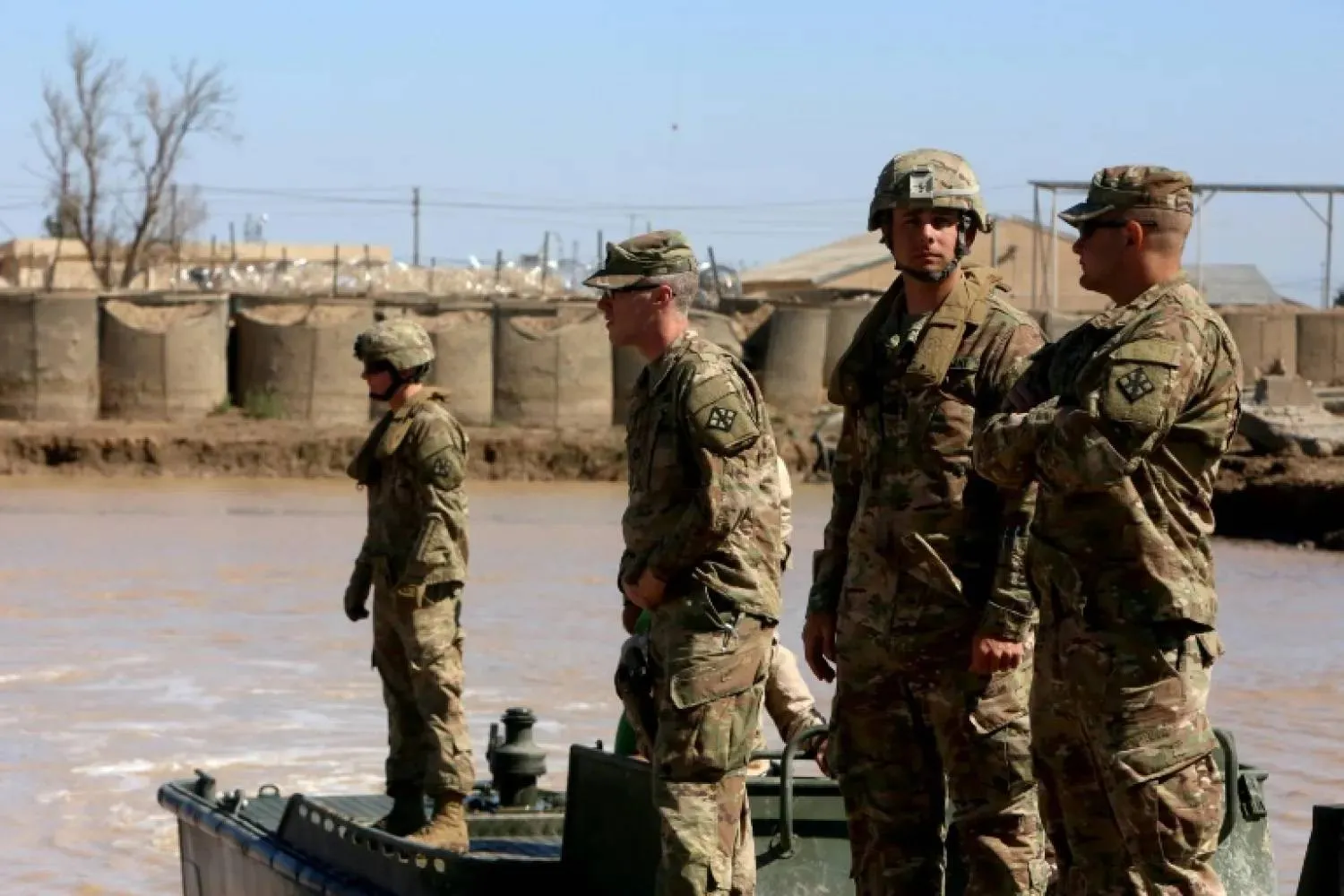
Speaking after the latest escalation, Trump accused Iran of continuing hostile actions against U.S. interests and commercial shipping, insisting that Washington would respond with sustained force until Tehran’s military capabilities are significantly weakened. The remarks came after fresh U.S. strikes targeted Iranian military infrastructure following recent attacks blamed on Iranian-backed forces.
The announcement signals that the White House is preparing for a prolonged campaign rather than a limited retaliatory operation.
For financial markets, that’s becoming the bigger story.
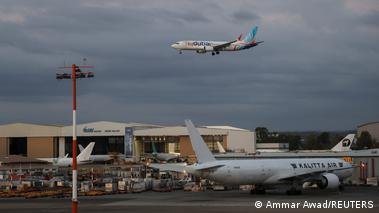
Every new round of fighting increases uncertainty around the Strait of Hormuz, one of the world’s most important energy corridors. Roughly a fifth of global oil shipments normally pass through the waterway, making any threat to maritime traffic a concern for governments and investors alike. Oil prices have already reacted sharply during recent weeks as traders price in the possibility of prolonged disruption.
Shipping companies are also facing growing costs. Insurance premiums for vessels operating in the Gulf have risen as attacks on commercial ships and military exchanges continue, while some operators have already begun considering alternative routes despite the higher costs involved.
Diplomatically, Trump’s comments also reduce hopes that negotiations will resume in the near future.
Iran has warned that any further U.S. military action could trigger retaliation against American and allied interests across the region, including energy infrastructure. That raises the possibility that the conflict could spread beyond direct U.S.-Iran exchanges into a broader regional confrontation involving proxy groups and neighboring states.
For businesses and consumers around the world, the consequences could extend well beyond the battlefield.
Higher energy prices often translate into more expensive transport, rising inflation and additional pressure on central banks already trying to stabilize economies. Countries that depend heavily on imported fuel may feel those effects first if tensions continue to escalate.
Trump’s latest statement therefore represents more than another military update. It signals that Washington believes continued pressure is the preferred strategy for now, even if that means accepting a longer period of instability in one of the world’s most strategically important regions.