








The latest US-Iran conflict is becoming less about whether the United States will use nuclear weapons and more about how far both sides are willing to go without triggering another full-scale war.
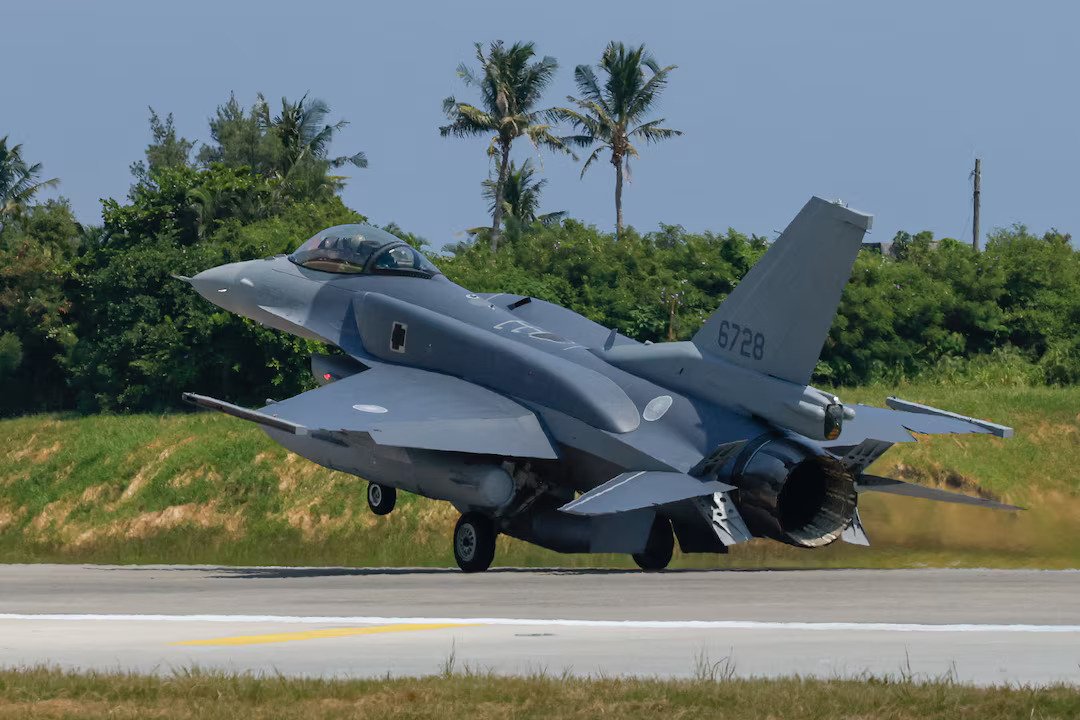
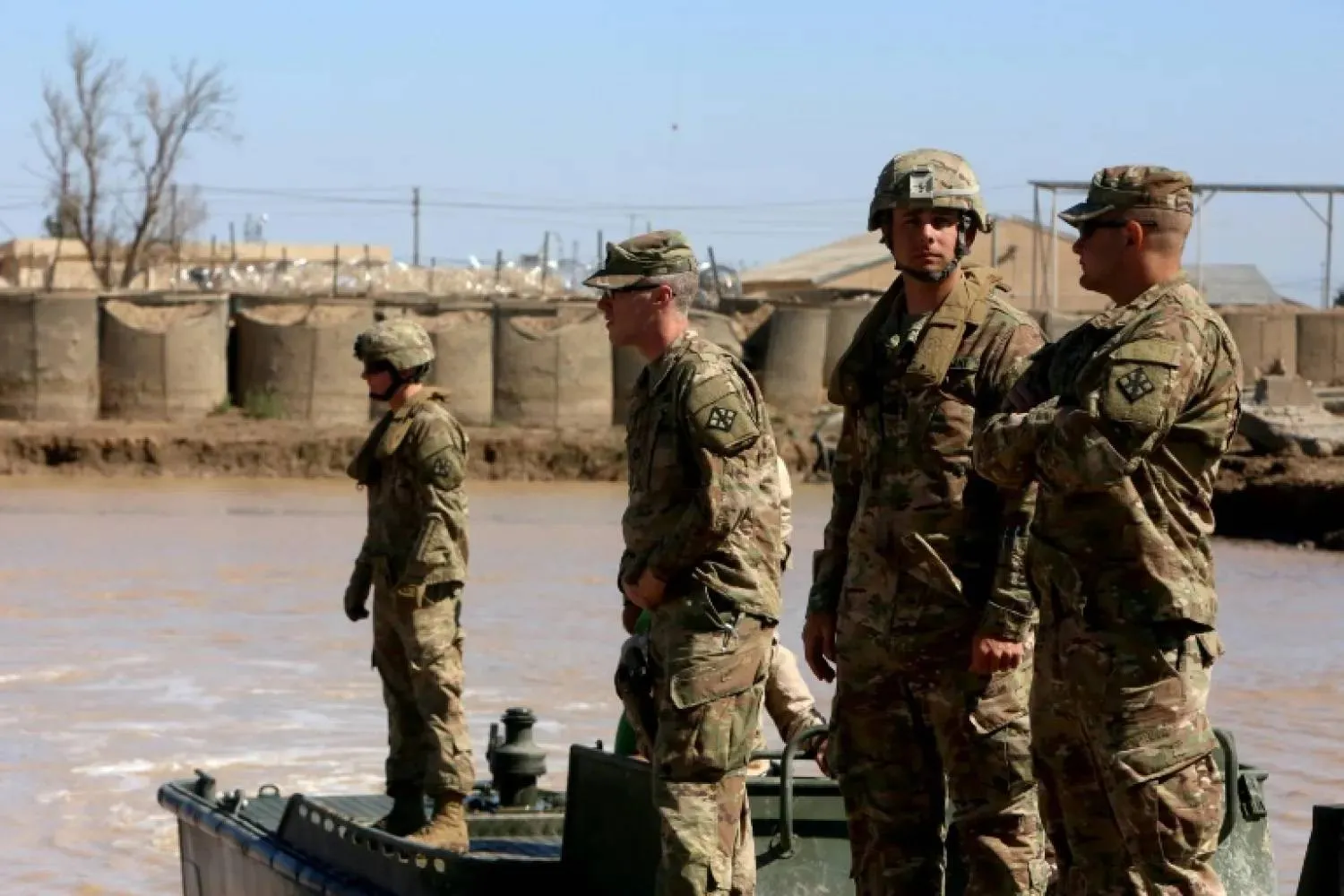
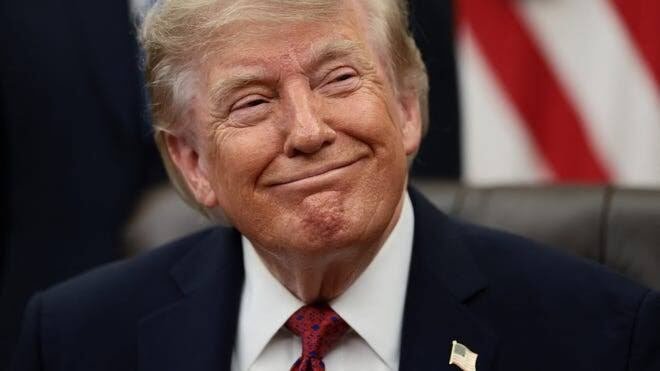
President Donald Trump has ruled out using nuclear weapons against Iran, saying conventional US military power is enough. His comments came after the first direct US-Iran exchange of fire in more than a month, with Washington striking Iranian launchers on Larak Island and Tehran retaliating against US bases in Jordan.
At the same time, Strait of Hormuz oil prices are rising as traders worry that further fighting could disrupt one of the world’s most important energy routes.
Why Trump Is Ruling Out Nuclear Weapons
Trump’s statement is significant because it attempts to draw a line between military escalation and the use of America’s most destructive weapons.
The US president said Iran had already been severely weakened militarily and questioned why Washington would need nuclear weapons. The message suggests that, for now, the White House wants to maintain pressure through conventional military force and economic measures rather than cross the nuclear threshold.
However, the latest US Iran tensions show that conventional attacks can still create serious risks. Iran has promised to retaliate against further American attacks, while Washington has warned that another response is coming.
The Strait of Hormuz Is Now the Bigger Concern
The most immediate global consequence may not come from a nuclear confrontation but from the Strait of Hormuz.
The waterway is critical to global oil shipments, and renewed fighting has already raised fears about tanker movements and supply disruptions. Brent crude climbed above $91 per barrel on Tuesday, while US crude also gained.
For countries that import fuel, prolonged disruption could mean higher transport and energy costs. That makes the conflict an economic issue far beyond the Middle East.
Iran Still Leaves Room for Diplomacy
Despite the military exchanges, Iranian President Masoud Pezeshkian has not completely closed the door on negotiations.
Pezeshkian said Tehran would immediately reciprocate if the US returns to its commitments under the interim agreement reached in June. Iran has also linked the reopening of safe navigation through Hormuz to Washington honouring the deal.
That creates a narrow path away from escalation. The question is whether either side is willing to take it before another military response closes that path.
What to Expect Next
The next major test will be Trump’s promised response to Iran’s attacks and whether Tehran retaliates again.
If the exchanges remain limited, both countries may still have room to return to negotiations. But if attacks spread around the region or shipping through Hormuz is seriously disrupted, the US Iran warning could develop into a much wider crisis.