









The US-Iran war is entering another difficult phase, with the conflict now putting pressure on both Washington’s military infrastructure and its diplomatic strategy.
New reporting says Iranian missile and drone strikes caused unprecedented damage to US intelligence facilities and surveillance equipment across the Middle East, with repairs expected to cost billions of dollars. At the same time, Israeli Prime Minister Benjamin Netanyahu has rejected the idea of trusting Iran to reach a lasting agreement, putting him at odds with any US push towards diplomacy.
The two developments point to the same problem for Washington: military pressure has become more expensive, while diplomacy remains difficult to sell to one of America’s closest regional allies.
Iranian Strikes Expose a New US Vulnerability
The reported Iran strikes on US intelligence sites are significant because the targets were not simply ordinary military facilities.
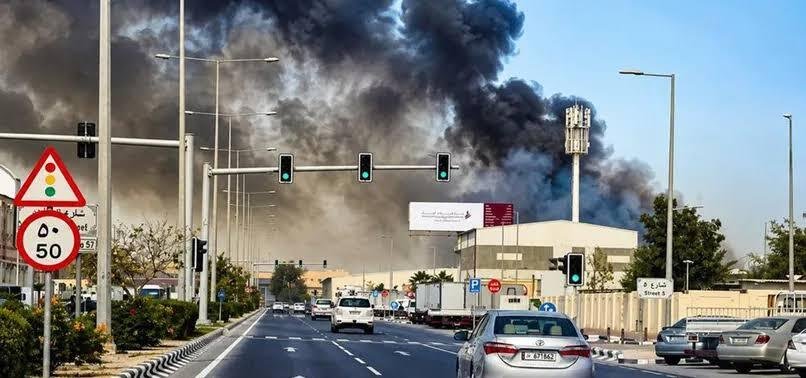
According to NBC News, citing four people with direct knowledge of the damage, Iranian attacks hit buildings and intelligence-gathering equipment used by the CIA and other US spy agencies. The destruction is expected to cost billions of dollars to repair or replace and has been described as greater than previous physical damage suffered by US intelligence operations.
The exact locations and full financial cost have not been publicly disclosed. That means the true effect on US intelligence collection is still unclear.
However, the attacks raise an uncomfortable question for Washington: if Iranian missiles and drones can seriously damage facilities designed to support America’s intelligence network, should the US continue maintaining large and exposed installations across the region?
The Financial Times has reported that the damage to US facilities is already prompting a wider debate over whether America’s traditional military footprint in the Gulf remains practical. One option being considered is a more dispersed deployment model, which could make US forces harder to target.
The Cost Is Bigger Than the Repair Bill
The US intelligence damage in the Middle East could have consequences beyond rebuilding buildings and replacing equipment.
Intelligence sites are designed to collect information, monitor military movements and support decision-making. If some of that infrastructure is unavailable, Washington may have to rely more heavily on alternative systems while repairs take place.
There is also the question of protection. The attacks suggest that even heavily defended US facilities remain vulnerable to sustained missile and drone attacks. That could force American officials to rethink where intelligence equipment is placed and how much infrastructure should be concentrated in countries close to Iran.
This comes as the conflict has already become a costly war of attrition. Reuters reported Wednesday that six months into the conflict, the US and Iran remain locked in a prolonged confrontation centred partly on the Strait of Hormuz, with major consequences for global energy markets.
Netanyahu Says Iran Cannot Be Trusted
While the attacks are increasing the cost of the war, Netanyahu’s position on an Iran deal is making the diplomatic route harder. The Israeli prime minister has repeatedly argued that Iran cannot be trusted to honour agreements. In recent comments, he said he remained deeply sceptical of negotiations and backed continued pressure on Tehran.
That position matters because President Donald Trump has previously explored negotiations with Iran as one possible way to end the conflict. Trump said in early August that talks could offer Tehran a final opportunity for an agreement, although Iran denied that negotiations were actually taking place at the time.
The disagreement is not necessarily about whether the war should end. It is about what kind of ending would be acceptable. For Netanyahu, a deal that leaves Iran capable of rebuilding its military and nuclear capabilities could simply postpone the next confrontation. For Trump, however, an agreement could offer a way to reduce the military and economic costs of a war that has already lasted far longer than many expected.
Why the US-Israel Divide Matters
The biggest development may therefore be the growing gap between military pressure and diplomacy.
Washington is dealing with rising costs, damaged infrastructure and pressure over the wider economic consequences of the war. Israel, meanwhile, remains focused on ensuring that Iran cannot rebuild capabilities that could threaten it.
The result is a difficult choice for Trump. Escalating the conflict could mean more damage, higher costs and greater regional instability. Pursuing a deal could create friction with Netanyahu and raise questions about whether Iran would actually honour its commitments.
The next stage of the Iran war may therefore depend less on who can launch the biggest attack and more on whether Washington can find a diplomatic exit that both Tehran and Jerusalem are willing to accept. For now, the battlefield and negotiating table are sending opposite signals.