









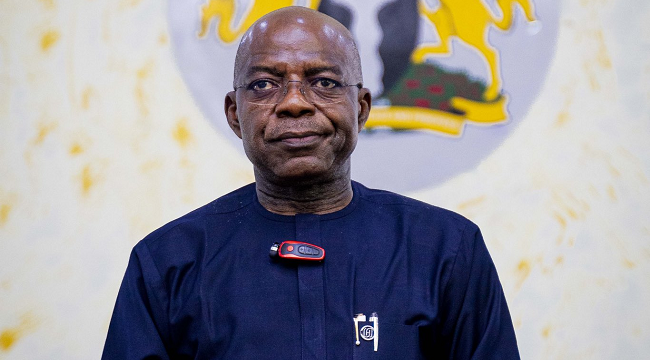
The Abia State Government has reduced its inherited debt from about ₦191 billion to ₦48.4 billion, according to figures released by the state’s Debt Management Office. The reduction means the administration of Governor Alex Otti has repaid more than ₦142 billion, or roughly 74.3% of the debt inherited when it took office in May 2023.
The figure is drawing attention because the reported reduction was achieved without new borrowing, according to the Abia State Debt Management Office. The administration has attributed the change to tighter spending, improved internally generated revenue and efforts to reduce financial leakages.
Where Did the Debt Reduction Come From?
The latest figures are part of a broader shift in Abia’s reported debt position. Earlier reporting based on Debt Management Office figures showed the state had reduced its debt from ₦138 billion to ₦66 billion by December 2024 after repaying ₦72 billion.
Otti had separately said his administration’s own assessment placed the inherited obligations higher because it included other liabilities such as unpaid salaries, pensions and contractor debts.
The newer Abia debt repayment figure of ₦142 billion therefore reflects a larger debt calculation than the ₦138 billion figure previously cited from the DMO’s 2023 records.
What Does the Lower Debt Mean for Abia?
The most important question is what happens to the money that would otherwise go toward servicing debt.
The state can potentially redirect more resources toward infrastructure and public services when debt obligations fall. That is particularly relevant under Abia’s 2026 budget, which totals ₦1.016 trillion. The state government says the budget maintains a strong emphasis on capital spending, including roads and other infrastructure.
A lower debt burden can also reduce pressure on future budgets. However, the actual benefit to residents depends on how much money becomes available after debt servicing and how effectively those funds are spent.
The Bigger Test Is What Comes After Debt Reduction
Paying down inherited liabilities changes Abia’s financial position, but it does not by itself determine the state’s economic performance.
The next stage will be whether the state can maintain revenue without excessive borrowing while continuing to fund infrastructure, healthcare, education and other public services.
For the Otti administration, the debt figures provide a clear financial milestone. The remaining ₦48.4 billion means the state’s debt has not disappeared, but the reported reduction from ₦191 billion significantly changes the size of the obligation that future budgets will have to manage.
The figures will also make future budget implementation and spending records important to watch, particularly as Abia continues with its 2026 capital projects.