









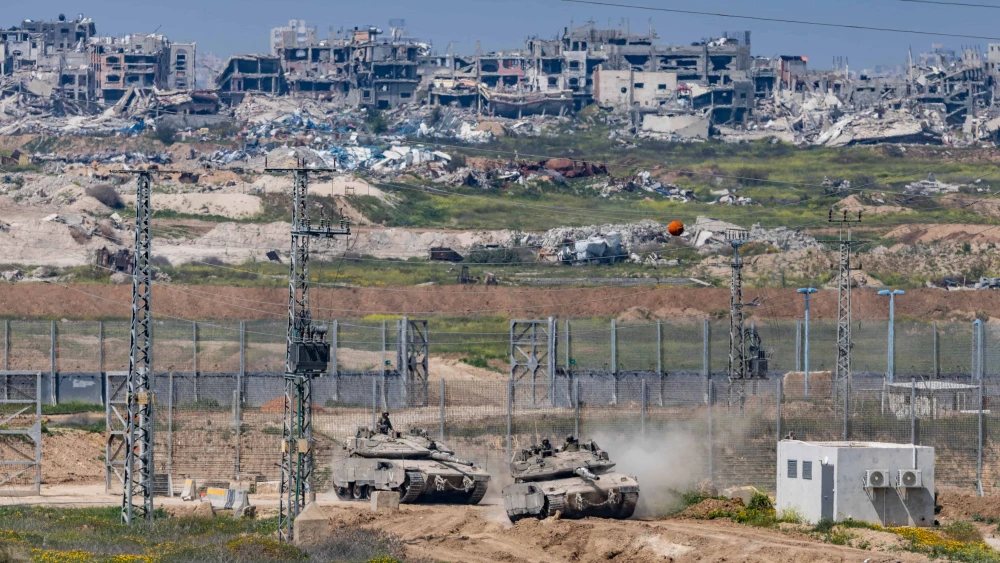
Israeli forces have dismantled a roughly two-kilometre Hamas tunnel in southern Gaza, highlighting one of the most difficult security issues facing the area even under the current ceasefire framework.
The operation involved soldiers from the Givati Brigade and the elite Yahalom combat engineering unit, operating under the Southern Command. According to the Israeli military, the tunnel was located in an area where Israeli forces continue to operate and was treated as a potential security threat.
The latest Hamas tunnel in southern Gaza is part of a much larger underground network that Israeli forces have spent years locating and destroying.
Why Tunnel Clearance Is Still a Major Issue
The underground network presents a different challenge from above-ground military infrastructure. Tunnels can be hidden beneath densely populated areas and may contain rooms, storage areas and routes connecting different parts of Gaza.
The IDF has previously reported finding and dismantling tunnels close to civilian buildings. In April 2025, Israeli forces said they found a tunnel shaft in a compound that had previously served as a kindergarten in Rafah, with the route connecting to a larger underground network.
In another operation in May 2025, Israeli special forces reported dismantling a tunnel approximately one kilometre long in the Khan Yunis area with Yahalom troops involved.
That history helps explain why the discovery of another long tunnel remains significant even after a ceasefire.
The Ceasefire Does Not End the Security Problem
The latest operation also raises questions about what military activity is permitted under the Gaza ceasefire framework.
Israel says its forces are continuing to operate in areas under its control to remove threats, particularly around southern Gaza and areas near Khan Yunis and Rafah. The Israeli military has described these activities as defensive measures intended to protect Israeli civilians and troops.
The IDF previously said its forces and Yahalom engineers had dismantled more than 26 kilometres of tunnels on the Israeli side of the Gaza ceasefire line since the October 2025 ceasefire.
That suggests tunnel clearance could remain a long-term part of the security situation, rather than something that ends immediately when a ceasefire begins.
A Problem That Could Take Years to Resolve
The scale of Gaza’s underground infrastructure makes complete clearance difficult. Israeli officials and commentators have argued that finding and destroying every tunnel could take years, particularly when routes are concealed beneath built-up areas.
There is also a major disagreement over how these operations should be understood. Israel presents tunnel destruction as necessary to remove threats, while critics describe continued military operations and control in Gaza as aggression or occupation.
The latest two-kilometre Gaza tunnel operation therefore matters beyond the tunnel itself. It shows that underground infrastructure remains one of the unresolved security questions surrounding the ceasefire and that the transition from military operations to lasting security arrangements may be more complicated than simply stopping above-ground fighting.