








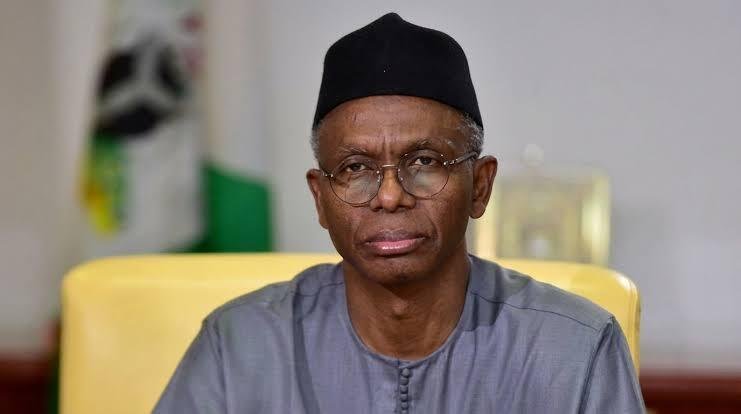
Former Kaduna State Governor Nasir El-Rufai has spoken about the silence of friends, former colleagues and political allies as he continues to face legal and political challenges.
In a statement titled “My Relationships and the Aftermath”, dated September 23, 2026, El-Rufai said he was aware that some people he had supported in the past had chosen not to publicly support him during his current difficulties. However, he said he does not resent them for making that choice.
The former governor’s comments offer a more personal look at the political fallout surrounding him, particularly how difficult circumstances can change relationships that once appeared close.
Why El-Rufai Says He Will Reassess Some Relationships
El-Rufai said his support for people and causes throughout his career was based on his Islamic faith, Arewa upbringing, personal values and conscience rather than an expectation of receiving support in return.
He acknowledged that some former associates could speak publicly for him, while others could remain silent or distance themselves. He said their reasons were their own and that he did not want to judge them simply because their decisions differed from what he or others expected.
At the same time, he said his experience had given him reason to reconsider some relationships.
“Adversity has a way of illuminating relationships,” he wrote, explaining that he may quietly reassess certain associations without treating that reassessment as condemnation.
That distinction is important. El-Rufai’s statement is not simply a demand for former allies to defend him. It is also a reflection on what his current circumstances have revealed about relationships built during his years in public life.
The Legal Battle Behind the Statement
The statement comes as Nasir El-Rufai’s legal troubles continue. He is facing proceedings connected to allegations arising from investigations into his tenure as Kaduna governor. El-Rufai has pleaded not guilty and has disputed the allegations against him.
In a separate Federal High Court case in Abuja involving an alleged telephone interception, the court heard arguments on his no-case submission on September 22 and fixed October 26 to rule on it. El-Rufai’s lawyers argued that the prosecution had not established a case requiring him to enter a defence, while prosecutors argued otherwise.
What His Statement Could Mean Politically
For now, El-Rufai is presenting the situation as a personal reckoning rather than a call for retaliation. He said he does not seek revenge and would rather remain guided by the principles that shaped his conduct.
The statement could nevertheless add another layer to the discussion around El-Rufai and his former political allies, particularly as his relationships within Nigeria’s political landscape continue to evolve.
For the moment, his message is clear: he intends to remember who stood by him, who remained silent and what those choices may mean for his relationships going forward.