









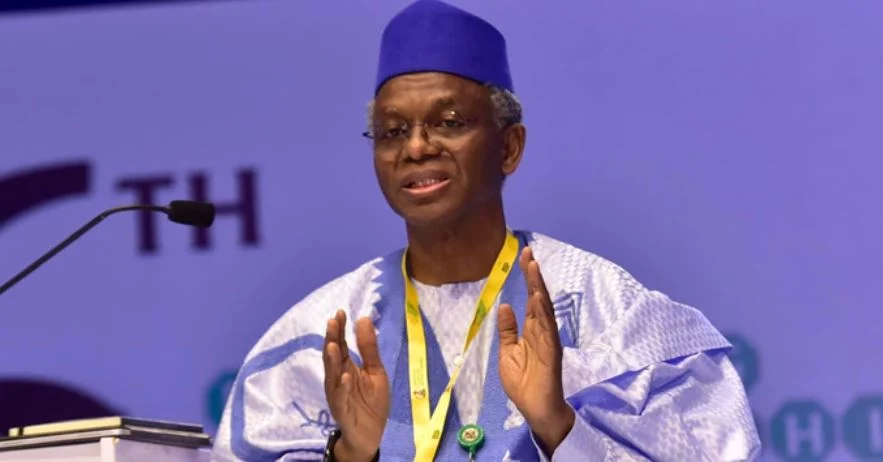
The legal battle involving former Kaduna State Governor Nasir El-Rufai and the Department of State Services (DSS) is now heading toward another major date. The Federal High Court in Abuja has fixed October 26, 2026, to rule on El-Rufai’s no-case submission in the alleged wiretapping case.
The case began with comments El-Rufai made during a television interview in February, when he claimed that someone had intercepted conversations involving National Security Adviser Nuhu Ribadu and that the information had reached him.
What started as a political allegation on television has since become a criminal case involving Nigeria’s cybercrime and communications laws.
What Did El-Rufai Say That Started the Case?
The controversy dates back to February 13, 2026, when El-Rufai appeared on Arise TV’s Prime Time programme.
During the interview, El-Rufai claimed that Ribadu’s telephone conversations had been intercepted and that he and others had listened to information from the conversations. He also said the information helped him understand an alleged plan involving security officials.
Importantly, El-Rufai’s position was not that he personally hacked Ribadu’s phone. He said a third party had intercepted the communications and passed the information to him. During later court testimony, a prosecution witness also acknowledged that El-Rufai did not specifically say he personally hacked the NSA’s phone.
The DSS nevertheless treated the statements as evidence of possible unlawful interception and began investigating. This case comes after El-Rufai’s defamation case.
How the Television Interview Became a Criminal Case
Just days after the interview, the Federal Government filed a three-count charge against El-Rufai at the Federal High Court in Abuja.
The original case, filed on February 16, alleged that El-Rufai had admitted that he and others unlawfully intercepted Ribadu’s telephone communications. The charges relied on provisions of the Cybercrimes (Prohibition, Prevention, etc.) Amendment Act 2024 and the Nigerian Communications Act 2003.
The DSS also alleged that El-Rufai knew people involved in the interception but failed to report them to security agencies.
The case was later expanded from three to five counts, covering alleged unlawful interception of communications and issues relating to national security. El-Rufai pleaded not guilty to all the amended charges on April 23.
What Evidence Has the DSS Presented?
The prosecution’s case has largely focused on what El-Rufai said publicly and whether those statements can establish the alleged offences.
A DSS witness told the court in May that Ribadu confirmed that the conversation El-Rufai referred to had actually taken place. The witness said Ribadu and ICPC Chairman Musa Aliyu were questioned after the television interview and confirmed they had held the conversation.
Another prosecution witness, lawyer Deji Adeyanju, testified in June that he heard El-Rufai say during the interview that “we listened to the conversations of the NSA.” However, under cross-examination, Adeyanju clarified that he did not hear El-Rufai say he personally hacked Ribadu’s telephone lines.
The DSS eventually closed its case in June after presenting its witnesses and electronic evidence, including the recording of the Arise TV interview.
Why El-Rufai Filed a No-Case Submission
After the prosecution closed its case, El-Rufai’s lawyer, Paul Erokoro, indicated that the defence would file a no-case submission.
A no-case submission argues that the prosecution has not presented sufficient evidence to require the defendant to enter a defence. It does not determine whether the defendant is guilty. The court first has to decide whether the prosecution’s evidence is sufficient for the case to continue.
That is the question now before Justice Joyce Abdulmalik. The defence has argued that the evidence presented by the DSS does not establish the offences against El-Rufai. The prosecution has opposed the application and maintained that its evidence is sufficient.
What Happens on October 26?
Justice Abdulmalik has now reserved her ruling for October 26, 2026. The decision will determine whether El-Rufai has to enter a defence or whether the case can be brought to an end at this stage. It is therefore an important procedural point in a case that has already moved from a televised political claim to a formal criminal prosecution.
The ruling itself should not be confused with a final determination of guilt or innocence. If the court finds that the prosecution has established a case requiring an answer, the trial can proceed to the defence stage. If the no-case submission succeeds, the charges could be dismissed at that stage.
The Bigger Issue Behind the El-Rufai Case
The El-Rufai Ribadu phone interception case has also raised a broader question about how statements made by politicians on live television can become evidence in criminal proceedings.
El-Rufai’s original comments were made in the context of his allegations about the government’s treatment of him and an alleged plan to arrest him. The DSS subsequently focused on the separate issue of how he obtained information from Ribadu’s private communications.
That distinction is important because the court is not simply deciding whether El-Rufai’s political claims were correct. It is considering whether the evidence presented by the prosecution is enough to establish the specific offences contained in the charge.
For now, the next major date is October 26, 2026, when the court is expected to decide whether the former governor must continue defending himself in the wiretapping case.