





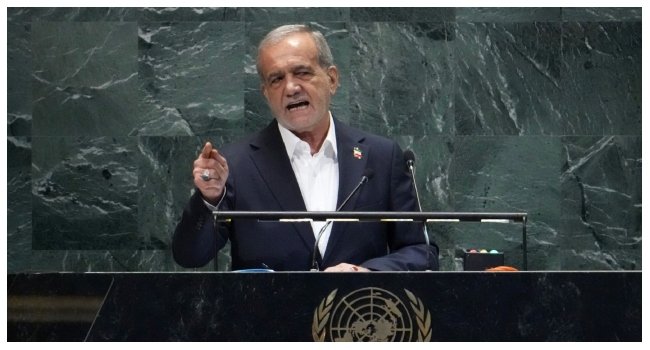
Iranian President Masoud Pezeshkian has arrived in New York for the 81st United Nations General Assembly, promising to firmly defend Iran’s position as the country faces continued military and diplomatic pressure from the United States and its allies.
Pezeshkian is scheduled to address the UN General Assembly on Wednesday, September 23, with the speech coming as Washington and Tehran remain locked in a conflict that has disrupted the Strait of Hormuz and pushed the issue of diplomacy back to the centre of international attention.
Pezeshkian Takes Iran’s Case to the UN
Before leaving Iran on Tuesday, September 22, Pezeshkian said his government would use the UN platform to present what it sees as Iran’s position and grievances to the international community.
He said Iran would “firmly defend” its positions and described the UN gathering as an opportunity to tell the country’s side of the conflict. His appearance is significant because he is the highest-ranking Iranian official to enter the United States since the war began with US-Israeli strikes on Iran on February 28.
The United States has allowed the core Iranian delegation to attend the General Assembly, but Washington has imposed restrictions on the delegation’s movement. Some members of Pezeshkian’s communications team were also denied visas, according to Iranian officials.
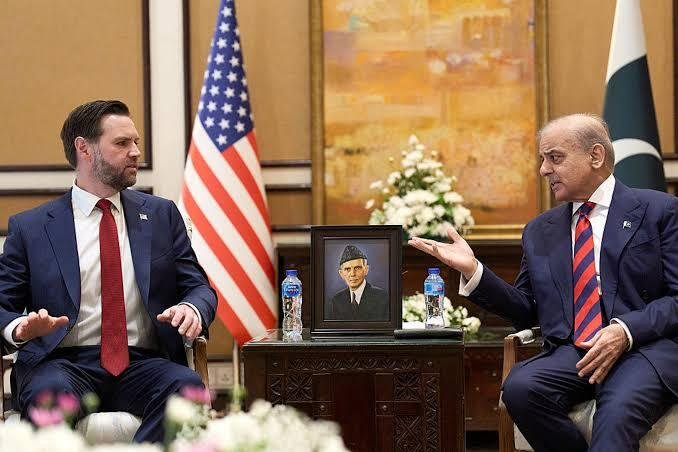
That creates an unusual setting for Wednesday’s speech. Pezeshkian will be addressing world leaders from American soil while the governments of Iran and the US remain involved in a military confrontation.
The Strait of Hormuz Could Be the Real Test
Beyond the speeches at the UN, the biggest practical issue surrounding the Iran-US conflict remains the Strait of Hormuz.
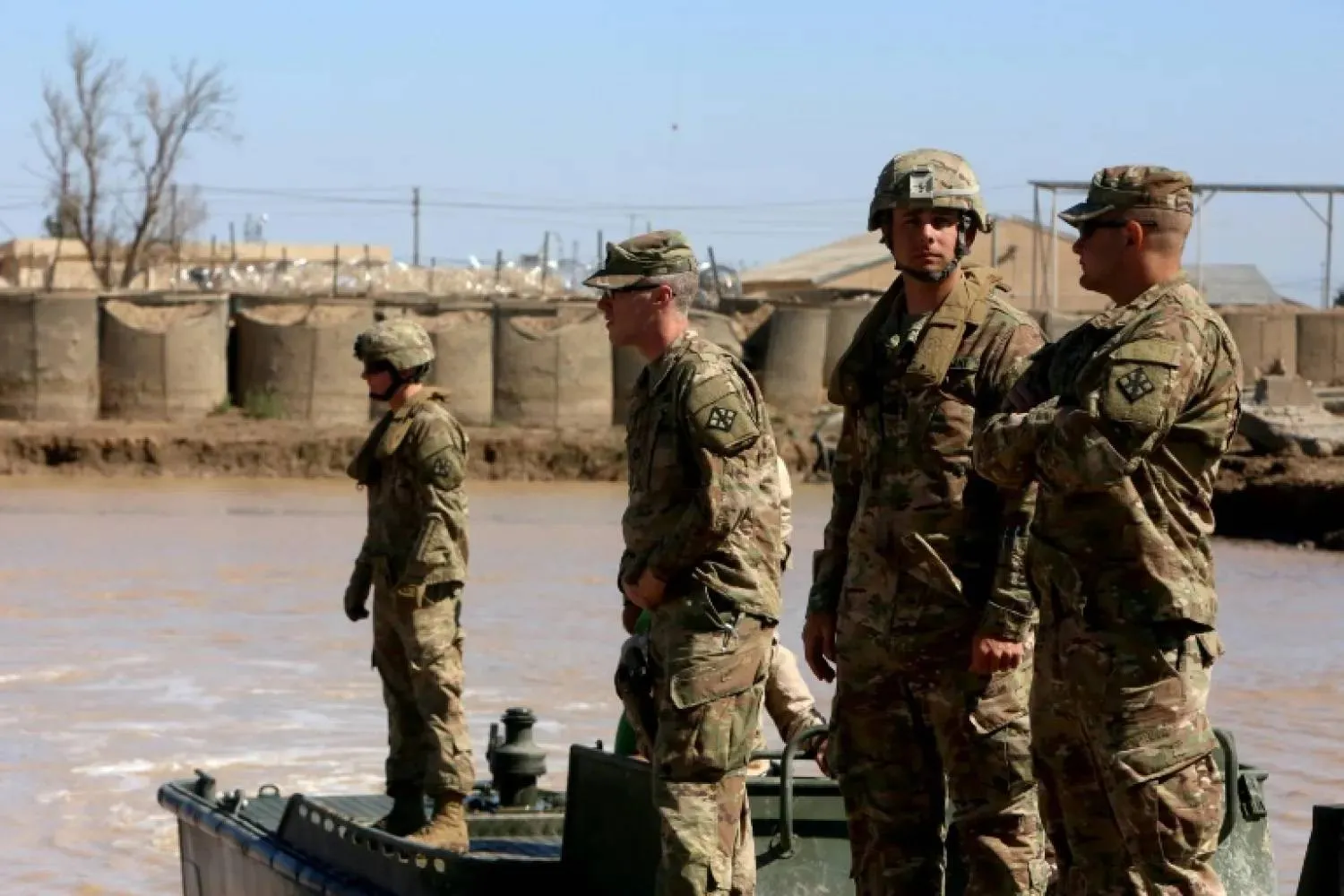
Iran has severely restricted shipping through the waterway, while the United States is maintaining a counterblockade of Iranian ports. The strait previously carried around one-fifth of the world’s hydrocarbons, making the disruption a major concern for energy markets and global trade.
Iran has now indicated that it could reopen the waterway within seven days if Washington lifts its blockade and reduces military pressure. Tehran has already communicated proposals to the US through mediators, giving the UN week a potential diplomatic opening even as military tensions remain high.
France-Iran Dispute Adds Another Diplomatic Problem
At the same time, Iran’s relationship with France has deteriorated further. Iranian authorities recently shut a French language centre in Tehran, saying it had operated without the required licence and accusing it of activities that threatened national culture and security. France rejected the accusations and announced that it would summon Iran’s ambassador and take appropriate measures.
The dispute is more than a disagreement over a language school. It comes after months of worsening relations involving Iran’s nuclear programme, detained French nationals and diplomatic disputes.
French and Iranian foreign ministers are still expected to meet around the UN gathering, meaning the closure could become another issue in wider diplomatic discussions.
What to Watch After Pezeshkian’s Speech
The most important question is whether the UNGA week produces a path back to negotiations.
Iran has signalled that it is prepared to discuss an end to the conflict, while the US continues to apply military and economic pressure. Gulf countries are also pushing for a diplomatic reset, with regional governments increasingly interested in finding a security arrangement that reduces their exposure to the conflict.
Pezeshkian’s speech therefore comes at a critical point. His remarks will be watched not only for what he says about Iran’s military position, but also for whether Tehran uses the UN platform to clarify its conditions for reopening the Strait of Hormuz and restarting negotiations with Washington.