










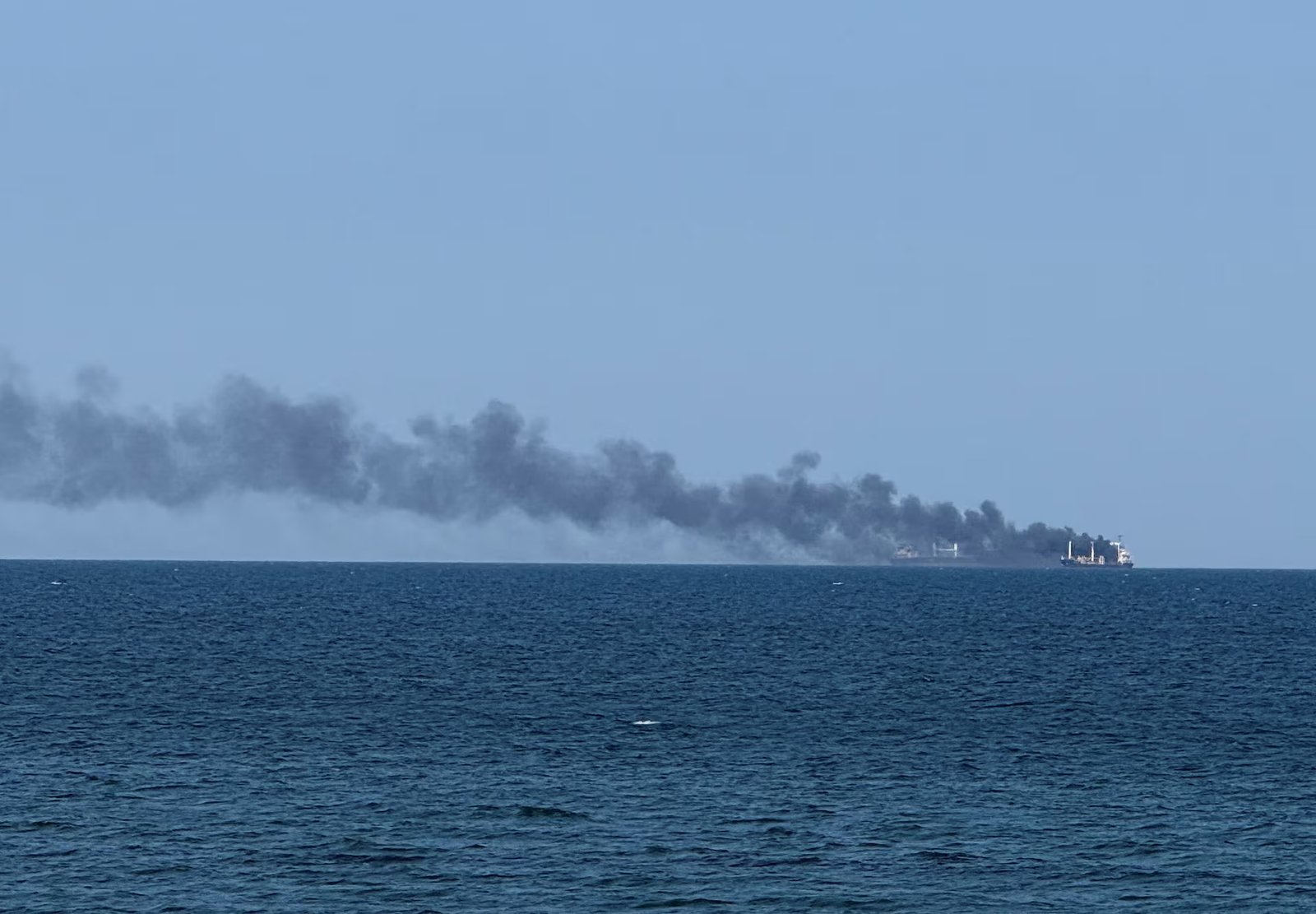
Russian forces have intensified attacks around Ukraine’s Black Sea ports, putting another layer of pressure on the country’s already strained export routes.
Russia’s Defence Ministry said its forces struck cargo ships at Odesa, Chornomorsk and Izmail, as well as a Nova Poshta logistics facility. Moscow claimed the ships were carrying military equipment from Europe, but those claims have not been independently verified. Ukrainian officials, meanwhile, reported injuries and damage from the wider attacks.
The strikes matter because Odesa, Chornomorsk and Izmail are important parts of Ukraine’s maritime export network. Any sustained disruption could affect the movement of agricultural products, industrial goods and other commodities through the Black Sea.
Why Black Sea Shipping Is Becoming Riskier
The latest Russia-Ukraine Black Sea port attack comes after weeks of growing danger for commercial vessels.
Reuters reported earlier this month that cargo ships and tankers travelling through the Black Sea were using unusual protective measures, including nets, water-filled containers and tyres, to reduce the risk from drones. Maritime security experts warned that such measures may help against some smaller drones but offer limited protection against larger or faster weapons.
Russia has also increased attacks on Ukrainian port infrastructure, while Ukraine has carried out its own strikes against Russian shipping and energy infrastructure. The result is a maritime environment where commercial operators increasingly have to consider the possibility of military attacks even when their ships are not directly involved in the war.
The Bigger Risk Is Trade
The pressure on Ukraine Black Sea shipping disruption could eventually extend beyond Ukraine if insurance costs rise, shipping routes change or vessels become reluctant to enter the region.
That is especially important for global food markets. Ukraine has historically been a major exporter of grains through Black Sea ports, and previous disruptions have contributed to concerns about food supplies, including in African markets. Turkey has been pushing for a plan to restore safer grain movement, but Russia has said it sees no basis for reviving the previous Black Sea grain deal.
For now, the next question is whether the attacks remain focused on military-linked targets or develop into a broader campaign against Ukraine’s maritime economy. The answer could determine how much commercial shipping continues to use the Black Sea and how expensive that trade becomes.



One thought on “Russia Strikes Ukrainian Black Sea Ports as Drone War Puts Shipping Under Pressure”