





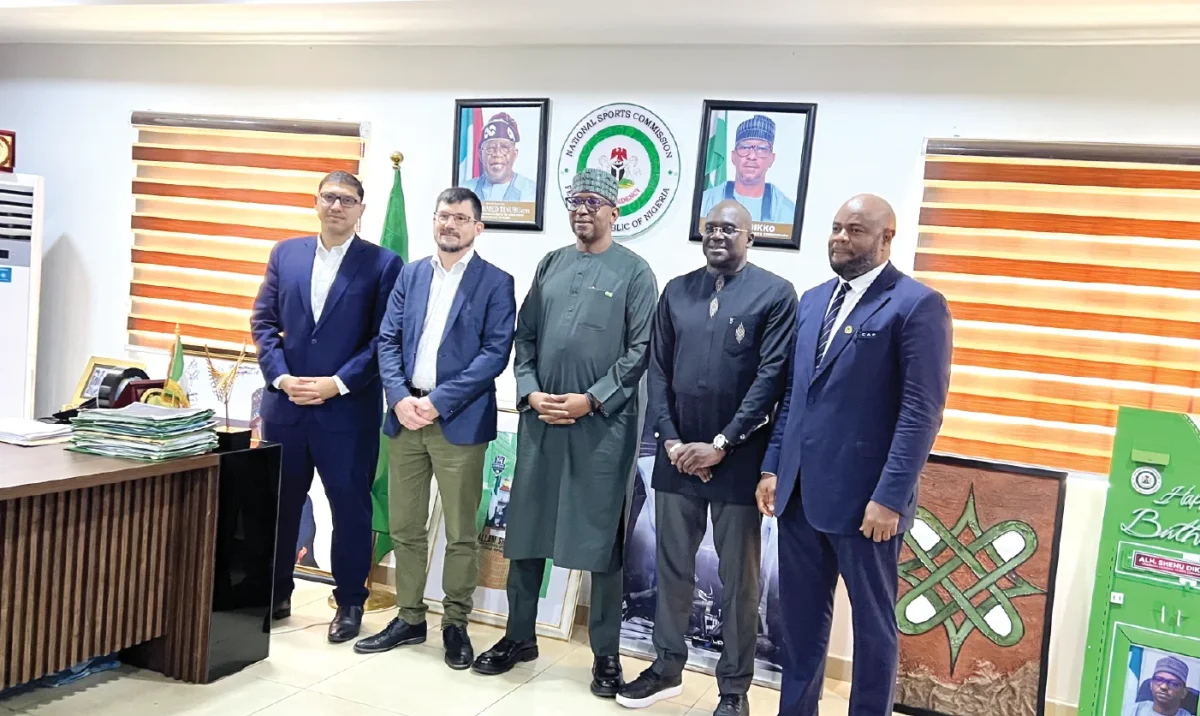
The FIFA and CAF assessment of the NFF crisis in Nigeria has ended in Abuja, but there is still no final decision on how the country’s football administration should move forward.
After two days of meetings with key stakeholders, FIFA Head of Member Association Governance Rolf Tanner said the delegation’s job was to listen, assess the situation and report back, rather than immediately impose a solution.
The next stage could therefore be more important than the visit itself, as FIFA and CAF consider the different proposals presented during the consultations.
Why the FIFA and CAF Visit Matters
The FIFA-CAF Nigeria football reforms process began after the resignation of NFF President Ibrahim Gusau, General Secretary Mohammed Sanusi and other executive committee members on August 27.
FIFA and CAF subsequently suspended the NFF electoral process and said they needed to assess the legal, governance, administrative and electoral implications of the crisis before deciding on possible next steps.
The September 14 and 15 mission brought together representatives from the NFF, State Football Associations, leagues, players, coaches, referees and other football stakeholders.
Stakeholders Do Not Agree on the Solution
One of the biggest issues now facing Nigeria football governance reform is that stakeholders have not presented one united position.
Reports from the consultations indicate that players’ representatives, coaches and referees backed a normalisation process and called for broader representation in the NFF Congress, board, committees and voting structure.
Some State FA leaders, however, argued that the existing NFF Congress should handle the leadership crisis rather than handing control to a normalisation committee.
Former NFF officials have also proposed a six-month normalisation committee, including changes to the structure of representation and voting within the federation.
What Happens Next?
For now, FIFA and CAF will review the positions gathered in Abuja before deciding whether to make recommendations to their respective decision-making bodies.
That means the NFF crisis in 2026 is not ending with the conclusion of the assessment mission. The immediate focus has shifted from the suspended election to the structure that could govern Nigerian football afterwards.
The outcome could determine whether Nigeria returns to an electoral process under the existing framework or undergoes a broader restructuring of its football administration first.