








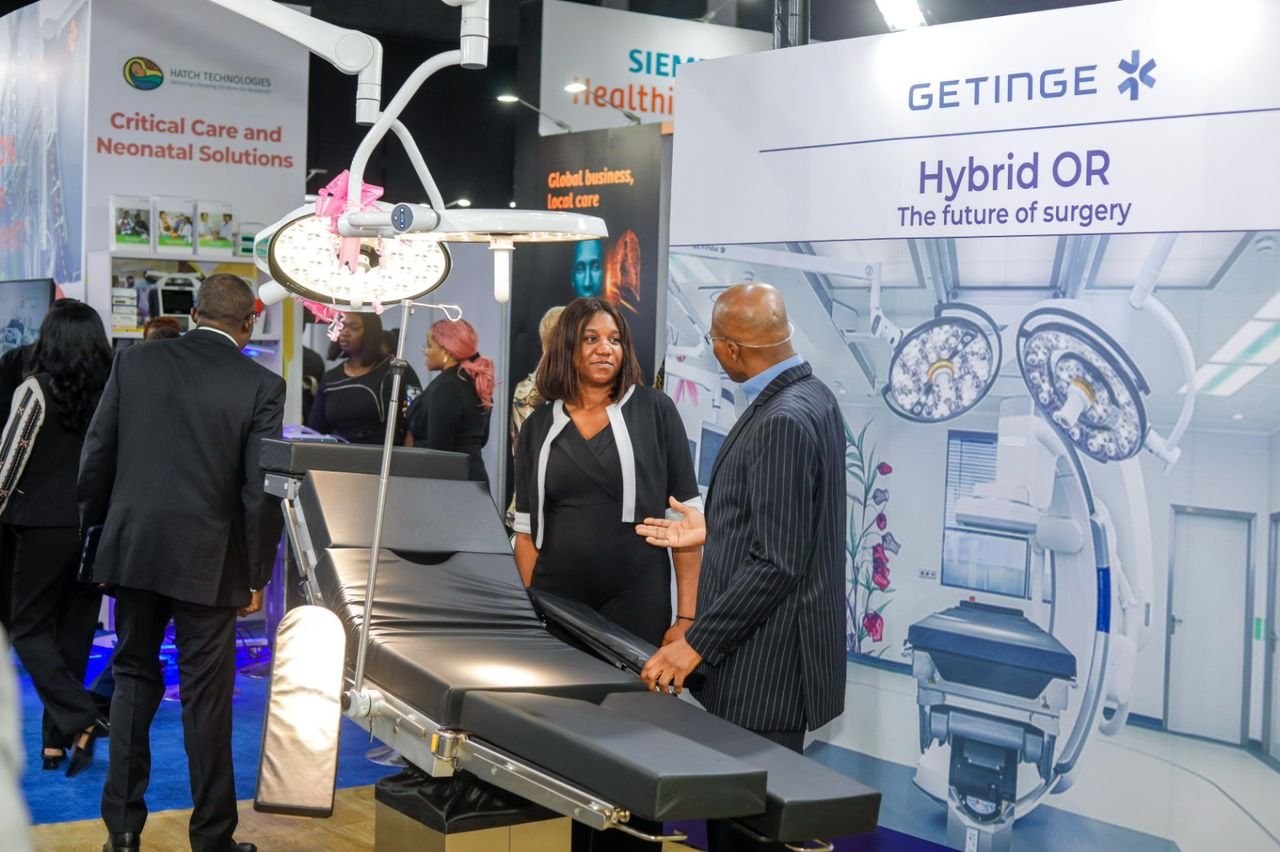
Nigeria’s healthcare market is becoming too large for investors to ignore, with Nigerians projected to spend about $34 billion on healthcare in 2026, according to recent industry reports.
The rising spending is attracting greater interest in private hospitals, diagnostics, pharmaceuticals and other medical infrastructure. But the opportunity comes with a major weakness: Nigeria still imports about 70% of its medicines.
That means the next phase of private healthcare investment in Nigeria may need to go beyond building more facilities. Investors also have an opportunity to strengthen the local supply chain that keeps those facilities running.
Healthcare Spending Is Creating an Investment Market
The growing Nigeria healthcare market reflects both the country’s large population and the amount households already spend on medical care.
Lagos, for example, is actively seeking private investment across hospitals, diagnostics, pharmaceuticals, medical manufacturing, research, biotechnology and digital health. The state government says more than 70% of healthcare services in Lagos are provided by private facilities.
For investors, this creates several potential markets at once. Demand exists for hospitals and specialist centres, but also for laboratories, imaging facilities, pharmaceutical production, health technology and medical equipment.
The Import Problem Changes the Opportunity
The biggest issue may be what happens behind the hospital doors. Nigeria imports approximately 70% of its pharmaceuticals, according to the Nigerian Investment Promotion Commission. The agency says the government is offering incentives for local pharmaceutical manufacturing, including tax holidays, duty-free machinery imports and procurement preferences.
This makes Nigerian pharmaceutical industry investment particularly important. If more capital goes into local drug manufacturing, diagnostics and medical equipment, Nigeria could capture more of the money already being spent on healthcare instead of sending a large share of it abroad through imports.
The government has also secured more than $2.2 billion in health-sector commitments through the Nigeria Health Sector Renewal Investment Initiative, with plans covering primary healthcare, health workers, insurance and advanced medical facilities.
What Investors Will Be Watching
The opportunity is large, but so are the risks. Healthcare businesses still face high operating costs, infrastructure problems, foreign exchange pressures and questions around how patients will pay for services. Lagos has identified health insurance as a key part of making private investment sustainable, particularly because much healthcare spending is paid directly by patients.
That could make the most valuable healthcare infrastructure investment in Nigeria the kind that solves several problems at once.
A new hospital can add beds, but a pharmaceutical plant can reduce import dependence. A diagnostic centre can reduce the need for patients to travel abroad. Digital health and insurance can make services easier to access and finance.
Nigeria’s projected $34 billion healthcare spending therefore tells only half the story. The bigger opportunity may be whether investors can turn that spending into a stronger local healthcare industry.