







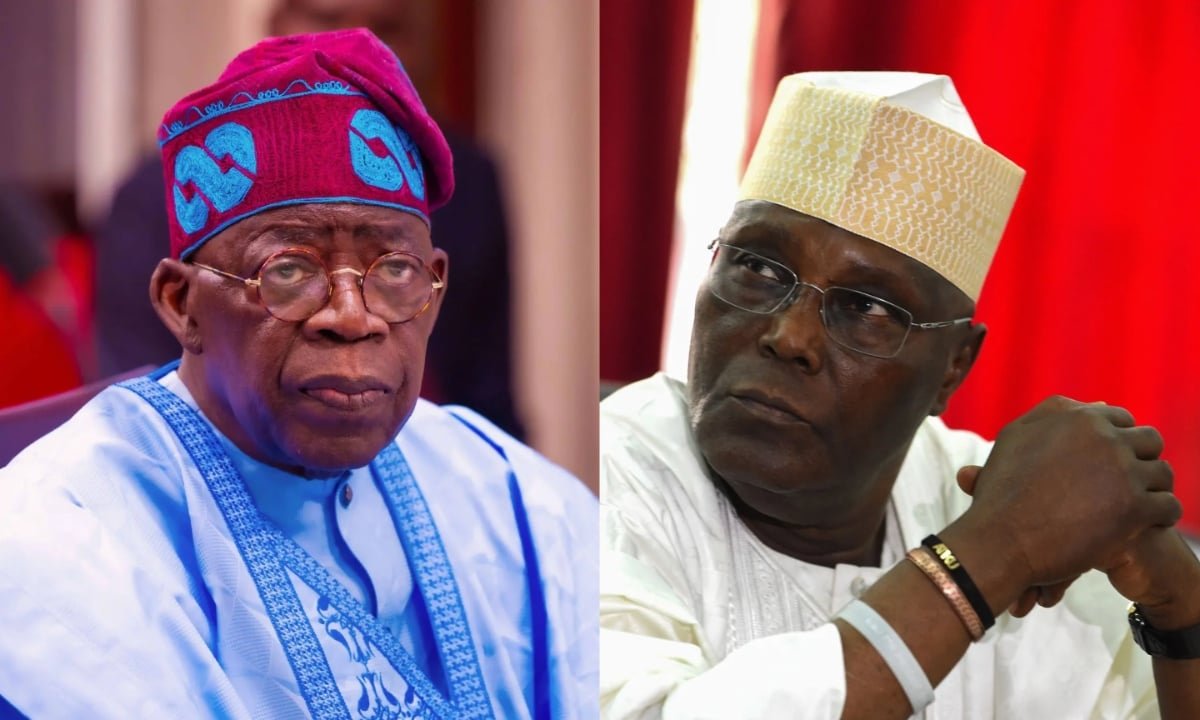
Nigeria’s opposition is entering a more intense phase ahead of the 2027 election, with two developments putting pressure on the ruling APC from different directions. Atiku Abubakar’s claim that President Bola Tinubu is 90 has created a fresh political controversy, while former Bayelsa governor Timipre Sylva has left the APC and opposition groups are meeting in Abuja to discuss greater cooperation.
The developments raise a bigger question: can Nigeria’s opposition turn growing dissatisfaction with the APC into a coordinated political challenge?
Atiku’s Tinubu Age 90 Claim Faces Evidence Test
Former Vice President Atiku Abubakar said he has evidence that President Bola Tinubu is 90 rather than his officially stated age of 74, and said he would present the evidence in court.
However, the claim remains unsubstantiated. Available public records identify Tinubu’s date of birth as March 29, 1952, which makes him 74 in 2026. Previous discrepancies in some historical documents have also not established that he is 90.
That leaves Atiku facing a credibility test. If he produces documentary evidence, the controversy could become a genuine legal and political issue. If he does not, the Atiku-Tinubu age controversy risks becoming another distraction from the economic and security issues likely to dominate the 2027 campaign.
Timipre Sylva Leaves APC
At the same time, Timipre Sylva leaves APC, accusing the ruling party of abandoning its founding ideals and failing Nigerians. Sylva, a former Bayelsa governor and former petroleum minister, said his resignation followed consultations with family, associates and supporters.
His departure comes as opposition parties attempt to build a stronger platform against the APC. The G100 initiative is bringing together opposition stakeholders, with parties including the ADC, PDP and SDP among those involved in discussions about cooperation.
Can the Opposition Turn Frustration Into a Real Alliance?
The G100 opposition summit could be more important than individual defections if the groups can agree on how to work together. The major obstacle is likely to be the question of who leads the alliance.
The APC has already questioned whether competing opposition politicians can put their presidential ambitions aside.
For the Nigeria 2027 election, that may be the real test. Opposition parties can attract attention through defections and controversies, but defeating an incumbent will require organisation, a credible candidate and a message that connects with voters.

One thought on “Tinubu Age Controversy and Sylva’s APC Exit Put Nigeria’s 2027 Opposition Under Spotlight”