










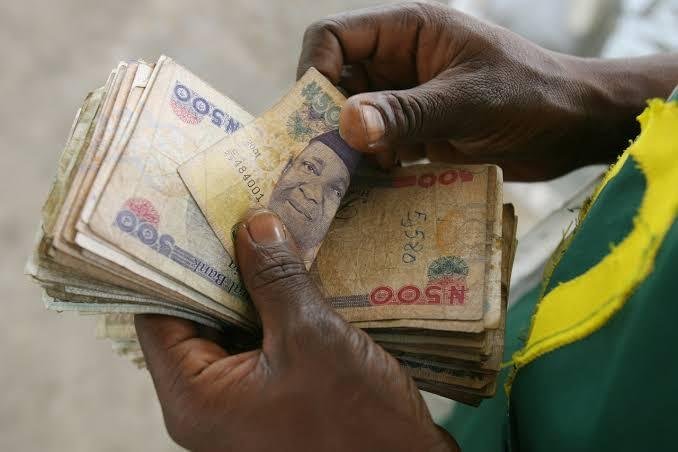
Nigeria’s economy grew by 4.43% in the second quarter of 2026, according to the National Bureau of Statistics (NBS), marking an improvement from 3.89% in Q1 and 4.23% in the same period last year.
The figure gives the government another reason to point to economic recovery. But the more interesting question is whether Nigeria’s economic growth is becoming strong enough to improve living standards, create more opportunities and ease pressure on households.
Services and Agriculture Keep Nigeria’s Economy Moving
The latest NBS GDP report shows that services remained the biggest part of the economy, accounting for 56.62% of real GDP. The sector grew by 4.60% year-on-year, while agriculture expanded by 4.39%, a significant improvement from the 2.82% recorded in Q2 2025.
The non-oil economy also grew by 4.31%, showing that economic activity is not being driven by crude oil alone. Information and communication, financial services, trade, real estate and construction were among the activities supporting the expansion.
This could be one of the most important parts of the latest Nigeria economy Q2 2026 figures. A wider-based recovery is generally more encouraging than growth that depends heavily on oil prices and production.
Oil Is Recovering, But Industry Is the Warning Sign
Oil production improved to an average of 1.72 million barrels per day from 1.55 million barrels per day in Q1. The oil sector consequently grew by 7.31% year-on-year.
However, the industrial sector tells a different story. Industrial growth slowed to 3.96% from 7.46% in Q2 2025. That slowdown matters because manufacturing and other industrial activities are closely linked to jobs, investment and production capacity.
Why Nigerians May Not Feel the 4.43% Growth Yet
The latest Nigeria GDP growth 2026 figure is positive, but GDP growth does not automatically mean households are better off.
Nigeria’s economy grew 3.87% in 2025, yet the latest quarterly improvement remains well below President Bola Tinubu’s ambitious 7% annual growth target for 2027.
The challenge now is turning stronger output into higher incomes, more jobs and greater purchasing power. With inflation and living costs still important concerns, the next stage of the recovery will be judged less by the headline GDP number and more by whether ordinary Nigerians begin to feel the improvement.
For the government, the Q2 result strengthens the case that its reforms are producing growth. For businesses and households, however, the bigger test is whether that growth becomes broad enough to be felt beyond the economic statistics.
One thought on “Nigeria GDP Growth Hits 4.43% in Q2 2026, But the Real Test Is Household Recovery”