







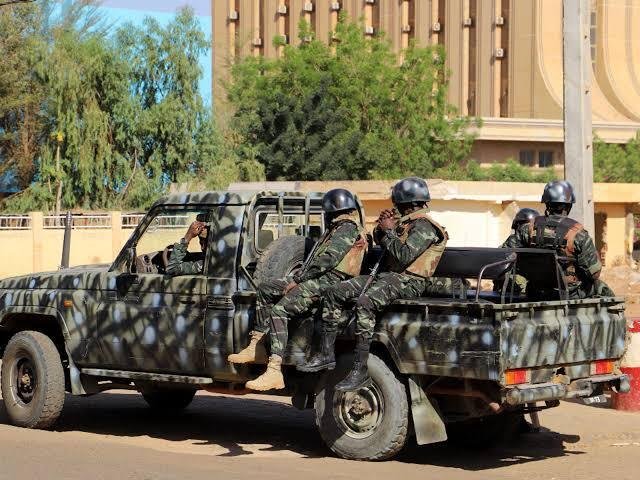
Niger has returned to a tense calm after mutinous soldiers launched attacks on key sites in the capital, Niamey, in what authorities described as an attempted coup. The ruling junta says it has regained control, but the brief uprising has exposed growing pressure inside a military government that came to power promising to restore security.
What Happened in Niamey?
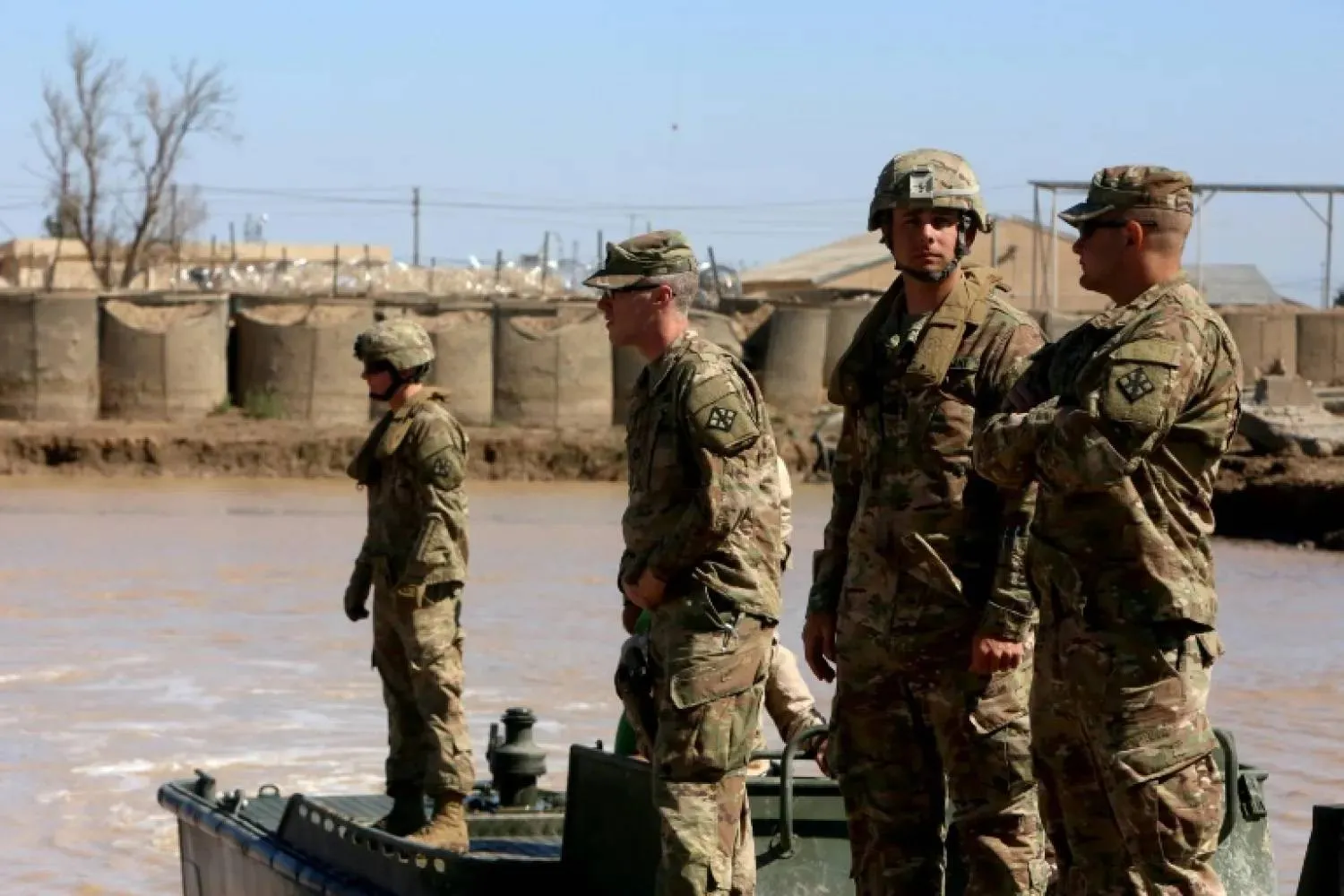
The Niger military mutiny began around the capital’s Diori Hamani International Airport and Air Base 101 before clashes spread towards the presidential palace and state broadcaster. Heavy gunfire and explosions were reported during the night, while the national television signal was cut for just over an hour before returning.
Niger’s Defence Ministry said mutinous soldiers had held some troops hostage and opened fire at sensitive locations. Security forces, led by units loyal to the junta, eventually retook key positions and restored calm.
The authorities have not released a full account of the casualties or the identities of all those involved. Reports, however, indicate that dozens of soldiers were killed or arrested following the failed uprising.
Why the Niger Military Mutiny Matters
The biggest concern is not simply that the Niger coup attempt failed. It is that soldiers inside the armed forces were willing to turn their weapons against the government.
Niger’s military junta, led by General Abdourahamane Tchiani, seized power in 2023 after overthrowing President Mohamed Bazoum. The junta justified its takeover partly on the promise of improving national security. Yet jihadist attacks linked to Islamic State and Al-Qaeda affiliates have continued, putting heavy pressure on the military and contributing to frustration among some soldiers.
That creates a difficult situation for Tchiani. The government must now deal with both external armed groups and possible divisions within the forces that protect the regime.
Russia’s Growing Role
The crisis could also strengthen Niger’s dependence on Russia. Russia’s Africa Corps reportedly provided ground and aerial support during efforts to retake the airport base. This is significant because Niger has moved away from its former Western security partnerships and towards Moscow since the 2023 coup.
For now, the junta remains in control. But the real test will be what happens next: whether authorities respond with military purges, tighter security or reforms aimed at addressing the grievances that helped trigger the mutiny.

One thought on “Niger Coup Attempt: Why the Military Mutiny Could Expose Cracks in the Junta”